
Accurate Blood Test for Alzheimer's Disease Achieves 92% Accuracy in Primary Care Settings

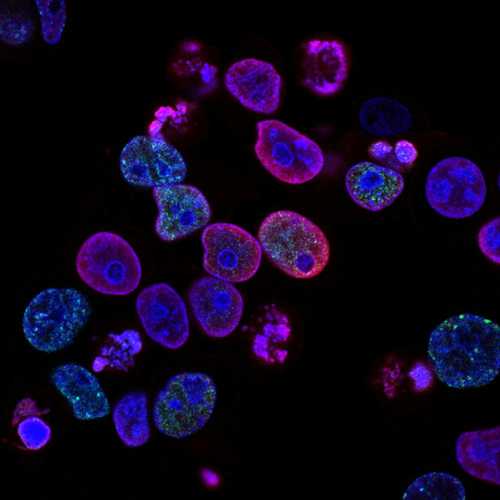
In a seminal medical development, researchers have validated a highly accurate blood test for Alzheimer's disease that can be deployed in primary care clinics, fundamentally transforming the landscape of neurological diagnostics.
The epicenter of the Diagnostic Breakthrough
Historically, an accurate diagnosis of Alzheimer's disease has required either a sample of cerebrospinal fluid or a brain imaging test called a PET scan www.nih.gov . Neither of these tests can be routinely performed in primary care clinics, where most people with cognitive complaints are first seen, creating significant bottlenecks that slow or prevent timely diagnosis www.nih.gov .
In a new study funded in part by the National Institutes of Health (NIH), researchers led by Drs. Sebastian Palmqvist and Oskar Hansson from Lund University in Sweden collected blood samples from over 1,200 older adults being evaluated for cognitive symptoms across primary care and specialty memory clinics www.nih.gov . The researchers utilized a test called PrecivityAD2, which measures the ratio of specific amyloid beta proteins and the proportion of tau protein known as p-tau217 www.nih.gov .
"Across all the participants, the blood test predicted a diagnosis of Alzheimer's disease with 88% to 92% accuracy," the researchers noted. "The blood test performed far better than clinical evaluations done without biomarker-based testing, which were only 61% accurate in primary care settings."
ClinicalRamifications
Not having an official diagnosis prevents people from receiving drugs that can slow the progression of Alzheimer's and can keep them from joining studies of new treatments www.nih.gov . This blood test offers a simpler, quicker alternative that could dramatically expand access to early intervention. Further analysis found that measuring the proportion of p-tau217 alone yielded results similar to using both measures, streamlining the diagnostic pathway even further www.nih.gov .
FutureIntegration
"We see this as a major step towards global clinical implementation of an Alzheimer's blood test," stated Dr. Oskar Hansson www.nih.gov . The next steps include establishing clear guidelines for how the test can be used in clinical practice, preferably by implementing it first in specialist care and then expanding to primary care www.nih.gov . While the test used in the study is sold in the U.S., it is not yet approved by the Food and Drug Administration or covered by most insurance plans, and the study needs to be replicated in more diverse populations www.nih.gov .
Official Health Communication
For the complete scientific framework and detailed methodology, please refer to the original publication: NIH: Accurate Blood Test for Alzheimer's Disease.
Related Articles

The Entertainment Inflection Point: Navigating Streaming Monopolies, AI Disruption, and Geopolitical Fragmentation
Aug 22, 2026
The Macroeconomic Squeeze: How Geopolitics and Climate are Rewiring Global Health Architecture
Aug 22, 2026
Comments (0)
No comments yet. Be the first to share your thoughts!
Want to join the discussion?
Please log in to post a comment.
Login NoworCreate an Account