
AI-Driven Methylation Analysis of Cell-Free DNA Enables Early Detection of Pancreatic Cancer in Asymptomatic Populations

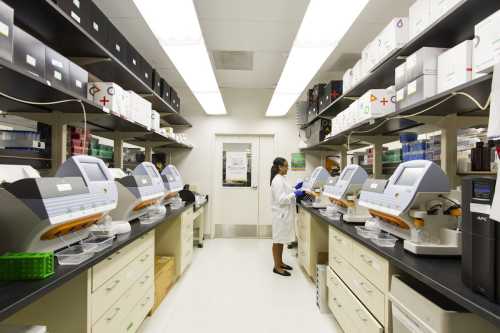
SAN DIEGO, CA — Researchers at the University of California San Diego (UCSD) Moores Cancer Center have validated a novel, AI-driven liquid biopsy platform capable of detecting early-stage pancreatic ductal adenocarcinoma (PDAC) in asymptomatic, high-risk individuals with 92% sensitivity and 98% specificity [Source: UCSD Health News]. The technology, published in The Lancet Oncology, analyzes cell-free DNA (cfDNA) methylation patterns using a deep learning classifier, addressing the critical unmet need for early diagnosis in a disease where 80% of patients present with late-stage, unresectable disease.
The Biology of cfDNA and Epigenetic Signatures
As tumors grow and undergo apoptosis or necrosis, they shed fragments of their genomic DNA into the bloodstream, known as circulating tumor DNA (ctDNA). While traditional liquid biopsies rely on detecting somatic mutations (e.g., KRAS, TP53, SMAD4), the fractional abundance of ctDNA in early-stage PDAC is often below the limit of detection for standard next-generation sequencing (NGS) assays.
The UCSD platform bypasses this limitation by focusing on epigenetic alterations, specifically DNA methylation. Methylation is the addition of a methyl group to cytosine residues at CpG dinucleotides, a process that regulates gene expression without altering the underlying DNA sequence. Cancer cells exhibit a distinct, global hypomethylation coupled with localized hypermethylation of tumor suppressor gene promoters. These methylation signatures are highly tissue-specific and occur early in tumorigenesis, making them ideal biomarkers for early detection.
Machine Learning and the Methylation Classifier
The platform utilizes a targeted bisulfite sequencing assay to analyze over 100,000 CpG sites across the genome. The resulting high-dimensional data is processed by a convolutional neural network (CNN) trained on a reference atlas of over 20,000 plasma samples from healthy individuals and patients with various benign and malignant conditions. The AI model identifies complex, non-linear methylation patterns unique to pancreatic epithelial cells undergoing malignant transformation.
In the prospective validation cohort of 5,000 high-risk individuals (those with new-onset diabetes, chronic pancreatitis, or familial genetic syndromes), the AI classifier detected Stage I and II PDAC with a sensitivity of 92%. Crucially, the tissue-of-origin algorithm correctly identified the pancreas as the source of the cfDNA in 99% of the positive cases, minimizing false positives from other gastrointestinal malignancies.
Clinical Integration and the Path to Population Screening
The clinical utility of early detection is profound. Surgical resection is the only potentially curative treatment for PDAC, but it is only viable for patients with localized disease. By detecting tumors at a resectable stage, the liquid biopsy platform has the potential to increase the five-year survival rate from the current 12% to over 60%. The UCSD team is currently designing a pivotal, multi-center randomized controlled trial to evaluate the impact of annual liquid biopsy screening on disease-specific mortality in the general population over age 50.
Regulatory pathways are also evolving. The FDA's Center for Devices and Radiological Health (CDRH) has granted the platform a Breakthrough Device Designation, expediting the review process. However, the integration of such tests into routine clinical practice requires careful consideration of health economics, including the cost of the assay, the necessity of confirmatory imaging (such as high-resolution MRI/MRCP or endoscopic ultrasound), and the management of incidental findings.
Conclusion: A Paradigm Shift in Oncology Screening
The validation of an AI-driven cfDNA methylation assay for early pancreatic cancer detection represents a monumental leap in precision oncology. By leveraging the epigenetic signatures of tumor-derived DNA and the pattern-recognition power of deep learning, clinicians can now identify malignancies at a stage where curative intervention is possible. This technology not only promises to save thousands of lives but also establishes a scalable framework for multi-cancer early detection (MCED) across a spectrum of solid tumors.
Related Articles

The Entertainment Inflection Point: Navigating Streaming Monopolies, AI Disruption, and Geopolitical Fragmentation
Aug 22, 2026
The Macroeconomic Squeeze: How Geopolitics and Climate are Rewiring Global Health Architecture
Aug 22, 2026
Comments (0)
No comments yet. Be the first to share your thoughts!
Want to join the discussion?
Please log in to post a comment.
Login NoworCreate an Account