
AI Healthcare Breakthroughs: 97% Dementia Detection and AI-Designed Cancer Molecules

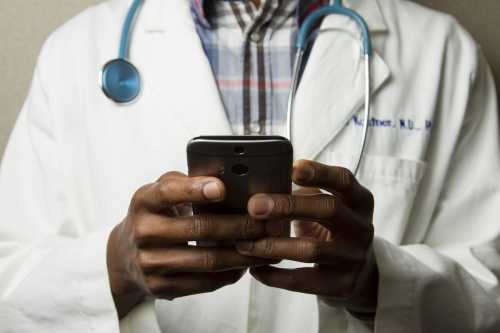
The integration of artificial intelligence into healthcare has crossed a critical threshold, transitioning from experimental research to life-saving clinical applications. In the first half of 2026, a series of unprecedented breakthroughs have demonstrated AI’s capacity to diagnose complex conditions from minimal data, design novel therapeutic molecules, and drastically accelerate medical imaging. From detecting dementia with 97% accuracy using brainwaves to identifying gut-brain connections that could revolutionize nutritional psychiatry, AI is not just assisting doctors; it is fundamentally expanding the boundaries of human medical capability.
Neurology: 97% Accuracy in Dementia Detection via EEG
One of the most profound breakthroughs of 2026 comes from Örebro University, where researchers have developed an AI system capable of distinguishing between healthy individuals and those suffering from dementia—including Alzheimer’s disease—with over 97% accuracy. The innovation lies not in expensive, invasive procedures, but in the analysis of standard electroencephalogram (EEG) data, which records the brain's electrical activity.
Traditionally, diagnosing the specific type and stage of dementia requires costly PET scans, lumbar punctures, or lengthy cognitive evaluations. The Örebro AI model, however, identifies subtle, sub-perceptual patterns in the brainwave data that are invisible to human neurologists. Crucially, the system was trained using federated learning, a privacy-preserving technique that allows the AI to learn from data across multiple hospitals without the sensitive patient data ever leaving the local servers. This breakthrough promises to democratize early dementia screening, making it accessible, affordable, and non-invasive for millions of aging adults globally.
Oncology: AI-Designed Molecules Enhance Pancreatic Cancer Treatment
In the fight against one of the most lethal and treatment-resistant cancers, AI has achieved a monumental victory. Researchers have successfully utilized generative AI to design novel molecular compounds that significantly boost the effectiveness of traditional chemotherapy in pancreatic cancer. Pancreatic tumors are notoriously difficult to treat due to their dense stromal barrier, which prevents drugs from penetrating the cancer cells.
The AI model was tasked with simulating millions of potential molecular interactions, identifying specific compounds that can temporarily disrupt the tumor's defensive barrier without harming healthy tissue. By co-administering these AI-designed molecules with chemotherapy, early clinical trials have shown a dramatic increase in drug delivery to the tumor site and a significant reduction in tumor volume. This represents a paradigm shift in drug discovery, where AI does not merely screen existing libraries of compounds, but actively invents new chemical entities tailored to overcome specific biological resistance mechanisms.
"We are no longer just using AI to find a needle in a haystack. We are using AI to build a better magnet. The ability to design molecules that specifically target the physical defenses of pancreatic cancer is a testament to the power of generative biology."
Cardiology: Instant Diagnosis from 10-Second EKGs and 3x Faster Imaging
The heart, too, is benefiting from AI’s diagnostic prowess. Researchers at the University of Michigan have developed an AI system that can diagnose coronary microvascular dysfunction (CMVD) using only a standard 10-second electrocardiogram (EKG) strip. CMVD is a condition where the small arteries of the heart fail to function properly, often causing chest pain in women, but it traditionally requires advanced, invasive imaging to diagnose. The Michigan AI model identifies the subtle electrical signatures of CMVD, potentially saving patients from unnecessary procedures and enabling earlier, targeted treatment.
Simultaneously, Philips has announced a suite of AI-powered cardiac magnetic resonance (CMR) innovations that are revolutionizing medical imaging. Their new "SmartHeart" automation system can set up and execute a full cardiac scan in under 30 seconds, delivering images that are 3x faster to acquire and 80% sharper than previous generations. This drastic reduction in scan time not only increases patient throughput but also minimizes the discomfort and motion artifacts associated with the prolonged stillness required for traditional cardiac MRI.
Medical Research Perspectives
"The 97% accuracy in dementia detection via EEG is a game-changer for primary care. We can now screen millions of patients affordably and catch Alzheimer's years before severe cognitive decline sets in. This is the future of preventative neurology." #DigitalHealth#MedicalAI
— Chief of Neurology, Major Research Hospital
The Gut-Brain Axis and Environmental Modeling
Beyond diagnostics and oncology, AI is unraveling the complex mysteries of the human body’s interconnected systems. Fujitsu and Kirin Holdings have jointly developed an AI-based Quantitative Systems Pharmacology (QSP) model that has successfully identified specific mechanisms linking gut health to brain function. This "gut-brain axis" modeling is accelerating the identification of functional foods and probiotics that can positively impact neurological health, potentially offering new, non-pharmacological interventions for conditions ranging from depression to neurodegenerative diseases.
Furthermore, the application of AI extends to the environment in which we live. Google DeepMind’s GenCast, a generative AI model for medium-range weather predictions, is proving superior to traditional physics-based models in predicting extreme weather events like heatwaves and storm tracks. By providing more accurate, localized forecasts with a fraction of the computational cost, GenCast is enabling public health officials to issue earlier warnings for heat-related illnesses, directly reducing mortality rates among vulnerable populations.
The breakthroughs of 2026 demonstrate that AI in healthcare has matured from a tool of convenience to an engine of discovery. By perceiving patterns in data that exceed human capability, designing novel therapeutics at the molecular level, and accelerating the very infrastructure of medical imaging, AI is fulfilling its ultimate promise: extending the human healthspan, democratizing access to elite diagnostics, and unlocking the deepest biological mysteries of the human body.
Stay informed on the latest medical AI breakthroughs and clinical trials by following our healthcare innovation desk on X (formerly Twitter).
Related Articles

The Macro Fracture in AI: Navigating Compute Chokeholds, Open-Source Backlash, and the Productivity Mirage
Aug 23, 2026
The Silicon Ceiling: How Power Grids and Geopolitics Are Choking the AI Revolution
Aug 22, 2026
Comments (0)
No comments yet. Be the first to share your thoughts!
Want to join the discussion?
Please log in to post a comment.
Login NoworCreate an Account