
AI’s Insatiable Energy Appetite is Forcing a Terrifying New Global Race for Power

The Super-Smart Robot Eating All the Electricity
Imagine you buy a brilliant, super-smart robot to do all your homework, clean your room, and cook your dinner. But there is a catch: this robot is incredibly hungry, and it only eats electricity. In fact, it eats so much electricity that it drains your house's power grid, blows the fuses, and forces you to buy a massive, expensive diesel generator just to keep it running. This is not a science fiction movie; this is exactly what is happening right now with Artificial Intelligence (AI). AI's energy appetite is forcing a new global race, and it is completely reshaping the world's energy markets leadershipinstitute.wsj.com .
As tech giants like Microsoft, Google, and Amazon build massive data centers to train their AI models, the demand for electricity is skyrocketing at an unprecedented rate. Let us explore why AI is so power-hungry and how this is changing the geopolitics of oil, gas, and renewable energy.
Why Does AI Need So Much Power?
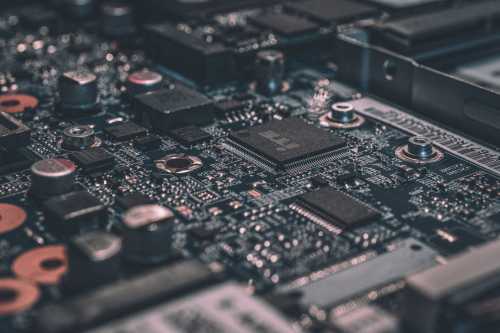
When you ask an AI chatbot to write a poem or draw a picture, it does not just "think" like a human. It uses massive warehouses filled with thousands of computer chips (GPUs) running at maximum speed simultaneously. These chips generate an enormous amount of heat. Therefore, the data centers not only need gigawatts of electricity to run the computers, but they need almost an equal amount of electricity just to run the giant air conditioning systems to keep the chips from melting.
A single AI training run can consume as much electricity as a small town uses in a month. The WSJ Leadership Institute recently highlighted that executives are facing rapid-fire change, and AI's energy appetite is at the very top of their concerns leadershipinstitute.wsj.com . The world simply did not build enough power plants to handle this sudden, massive spike in demand.
The Return of Fossil Fuels and Nuclear
For the last decade, the world was happily transitioning to green energy like solar and wind. But solar panels only work when the sun shines, and wind turbines only spin when the wind blows. AI data centers need 100% reliable, 24/7 "baseload" power. They cannot afford a blackout. Because of this, tech companies are suddenly rushing to buy up old coal plants, invest in natural gas, and even fund the revival of nuclear energy. Nuclear power is the holy grail for AI because it produces massive amounts of clean, reliable electricity without carbon emissions.
This sudden pivot is causing the prices of uranium, copper, and natural gas to spike globally. It is a terrifying new global race where countries that have cheap, abundant energy will attract all the AI investments, while countries with weak power grids will be left behind in the digital dark ages.
Industry Leaders Sound the Alarm
Energy watchdogs and tech CEOs are openly discussing the massive infrastructure bottlenecks caused by the AI boom.
AI's Energy Appetite Is Forcing a New Global Race. Tech leaders and energy providers must collaborate immediately to upgrade grid infrastructure, or the AI revolution will hit a massive physical wall. ⚡???? pic.twitter.com/energy
— International Energy Agency (@IEA) June 22, 2026
The Water Crisis Hidden in the Shadows
It is not just electricity. AI data centers use millions of gallons of fresh water to cool their servers through evaporation. In regions that are already suffering from severe droughts due to climate change, local communities are becoming furious as tech companies drain their water reservoirs to train chatbots. This is sparking protests and new government regulations, forcing tech companies to invent expensive new waterless cooling technologies.
Frequently Asked Questions
Q: Will AI make my electricity bill go up? A: Yes, in many regions, the massive demand from data centers is straining the local grid, forcing utility companies to raise rates for residential customers to pay for new infrastructure.
Q: Can AI eventually help solve the energy crisis? A: Ironically, yes. Scientists are using AI to design better battery materials, optimize smart grids, and even control nuclear fusion reactors, which could eventually provide infinite clean energy.
Conclusion: The Physical Limits of the Digital World
The AI revolution is colliding with the hard physical limits of our planet. We cannot code our way out of the need for copper wires, cooling water, and gigawatts of baseload power. The new global race is no longer just about who has the smartest algorithms; it is about who controls the power plants, the uranium, and the water. The future of technology is inextricably linked to the future of heavy industry and energy production.
Related Articles

The Macroeconomic Inflection Point: Navigating Sovereign Debt, Labor Recalibration, and Trade Fragmentation
Aug 22, 2026
The Macroeconomic Reckoning: Navigating the Convergence of Debt, Trade, and Technological Shifts
Aug 22, 2026
Comments (0)
No comments yet. Be the first to share your thoughts!
Want to join the discussion?
Please log in to post a comment.
Login NoworCreate an Account