
Apple Unveils Vision Pro 2 with Neural Wristband, Redefining Spatial Computing

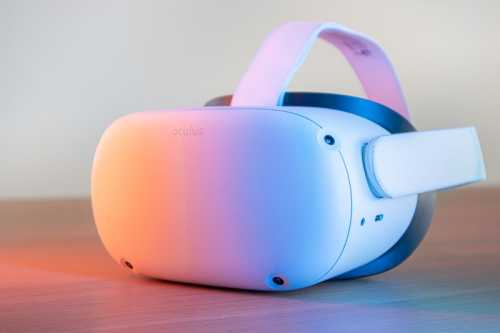
Apple has officially pulled the curtain back on the second generation of its spatial computing headset, the Vision Pro 2, introducing a revolutionary neural input wristband that allows users to control digital interfaces using subtle nerve signals. Priced at a more accessible $1,999, the new headset is 40 percent lighter than its predecessor and features a dedicated "M5 Spatial" chip that renders photorealistic 3D environments with zero perceptible latency.
To understand the leap in technology, imagine trying to type on a keyboard, but instead of pressing physical keys, you just think about the letter and your finger twitches a millimeter to register it. The new neural wristband reads the electrical signals traveling from your brain to your hand through your wrist. This means you can navigate menus, type emails, and manipulate 3D objects with your hands resting comfortably in your lap, completely eliminating the "gorilla arm" fatigue that plagued early augmented reality users.
This release marks a critical transition for Apple, moving spatial computing from a niche developer toy into a viable daily productivity tool. By solving the input friction and drastically reducing the physical weight of the device, Apple is betting that 2026 will be the year mixed reality finally escapes the living room and becomes an indispensable layer over our physical world.
Related Articles
The Compute Reckoning: Navigating Sovereign AI, Quantum Tipping Points, and Antitrust Friction
Aug 23, 2026
The Structural Recalibration of Global Technology: Navigating Compute, Cryptography, and Geopolitical Faultlines
Aug 22, 2026
Comments (0)
No comments yet. Be the first to share your thoughts!
Want to join the discussion?
Please log in to post a comment.
Login NoworCreate an Account