
Bill Pulte Appointed Acting DNI After Trump Halts Jay Clayton Confirmation in Hostage Tactics

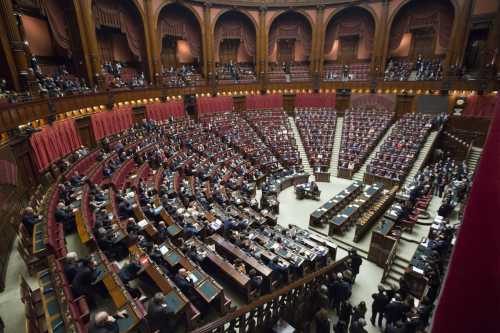
In a chaotic and unprecedented maneuver that has sent shockwaves through the national security establishment, President Donald Trump has abruptly canceled the confirmation hearing for his nominee to lead the U.S. intelligence community, paving the way for a loyalist with no intelligence background to assume the role of acting Director of National Intelligence (DNI). The dramatic reshuffling, announced on June 18, 2026, is part of a high-stakes political hostage situation involving voting rights legislation and judicial appointments.
The Senate Intelligence Committee had been scheduled to hear testimony from federal prosecutor Jay Clayton, Trump’s pick to succeed Tulsi Gabbard, who is set to step down this Friday. However, just hours before the hearing was set to begin, Trump issued a series of demands from the G7 summit. He declared he would stall Clayton’s nomination and refuse to sign an extension of the Foreign Intelligence Surveillance Act (FISA)—a critical tool for domestic surveillance—unless Congress first passes the SAVE America Act.
The President's Demands:
- Immediate passage of the SAVE America Act, which imposes strict new voter ID requirements.
- Senate confirmation of Jamie McDonald, Trump’s personal defense attorney, as U.S. Attorney for the Southern District of New York.
- A stall on Jay Clayton’s nomination until these conditions are met.
Voting rights experts have warned that the SAVE Act could disenfranchise millions of American citizens who lack easy access to the specific forms of identification required by the bill. By linking the renewal of FISA—a non-controversial, must-pass surveillance authority—to this polarizing voting legislation, Trump has effectively held the nation's intelligence gathering capabilities hostage to his domestic political agenda.
The most immediate consequence of this standoff is the appointment of Bill Pulte as the acting Director of National Intelligence. Pulte, currently the director of the Federal Housing Finance Agency (FHFA), is a prominent MAGA loyalist who has used his housing position to launch aggressive investigations into political enemies. He possesses no formal national security or intelligence experience. Despite opposition from both Democratic senators and a faction of traditional Republicans, Pulte will on Friday assume control over the 18 agencies that comprise the U.S. Intelligence Community, gaining access to the nation’s most closely guarded secrets.
BREAKING: Trump cancels Jay Clayton DNI hearing, demands SAVE Act passage. Bill Pulte to become acting DNI. A dangerous politicization of our intelligence community. ???????????? #DNI#NationalSecurity
— National Security Now (@NatSecNow) June 18, 2026
The demand to install Jamie McDonald as the U.S. Attorney in Manhattan adds another layer of controversy. The Southern District of New York has jurisdiction over many of the financial and legal matters that have historically intersected with the Trump organization. Installing his personal defense attorney in this powerful prosecutorial role has raised immediate ethical concerns and accusations of blatant conflicts of interest from government watchdog groups.
Senate leaders are now scrambling to respond to the crisis. The expiration of FISA authorities without a renewal would create a "blind spot" for U.S. intelligence agencies, potentially hampering counterterrorism and counterintelligence operations at a time of global instability. Yet, many lawmakers are unwilling to capitulate to what they view as executive overreach and dangerous politicization of the justice and intelligence systems.
As the Friday deadline for Gabbard’s departure approaches, the clock is ticking. The situation highlights a profound institutional stress test, where the norms governing the independence of the intelligence community and the Department of Justice are being aggressively challenged. Whether Congress will bend to the President's demands or risk a lapse in critical surveillance authorities remains the defining question of this political showdown.
Related Articles
The Institutional Fault Line: How Judicial Overreach and Trade Wars Are Reshaping U.S. Markets
Aug 23, 2026
The Fractured Consensus: How Trade Volatility and Institutional Strain Are Rewiring U.S. Macroeconomics
Aug 22, 2026
Comments (0)
No comments yet. Be the first to share your thoughts!
Want to join the discussion?
Please log in to post a comment.
Login NoworCreate an Account