
Bitcoin Breaks $120,000 Barrier Following Institutional ETF Inflows and Halving Aftermath

The Digital Asset Reaches New All-Time Highs
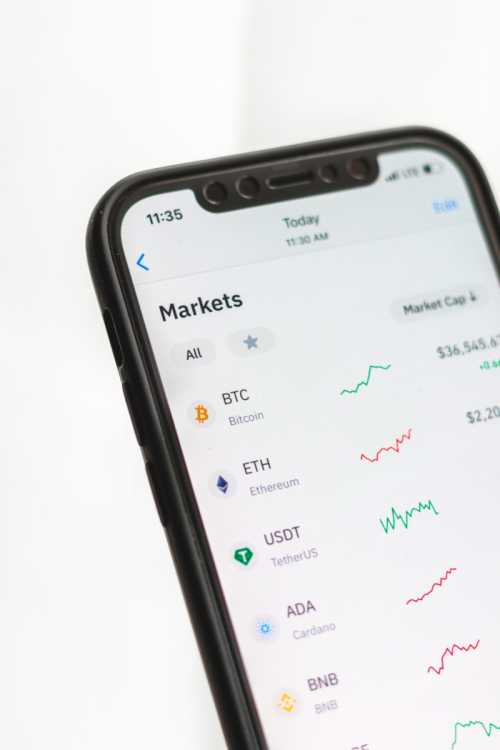
Bitcoin has shattered another psychological and historical ceiling, surging past the $120,000 mark to establish a new all-time high as the cryptocurrency continues its remarkable bull run. This latest milestone is not driven by the retail frenzy that characterized previous cycles, but rather by a structural, institutional adoption that has fundamentally altered the asset's market dynamics. The primary catalyst for this parabolic move has been the relentless accumulation of Bitcoin by spot exchange-traded funds (ETFs), which have absorbed billions of dollars in inflows over the past several months. Major traditional finance institutions, including BlackRock and Fidelity, have successfully marketed these products to wealth managers and pension funds, integrating Bitcoin into standard diversified portfolios and legitimizing it as a store of value in the eyes of the global financial establishment.
Compounding the demand side of the equation is the supply shock generated by the most recent Bitcoin halving event. As programmed into the asset's immutable monetary policy, the reward given to miners for validating transactions was cut in half, effectively reducing the daily issuance of new Bitcoin by fifty percent. This drastic reduction in new supply, colliding with the massive, price-agnostic buying pressure from the ETFs, has created a severe supply-demand imbalance. On-chain metrics reveal that the amount of Bitcoin available on exchanges has plummeted to multi-year lows, indicating that long-term holders and institutional custodians are locking away their coins in cold storage, further constricting the liquid supply available to meet market demand.
The macroeconomic environment has also proven highly favorable for Bitcoin's ascent. As investors grapple with persistent inflation and the debasement of fiat currencies through massive government deficit spending, Bitcoin's narrative as "digital gold" and a hedge against monetary mismanagement has gained significant traction. Unlike traditional safe-haven assets like gold, which have faced logistical and storage challenges, Bitcoin offers a borderless, easily verifiable, and highly liquid alternative. Furthermore, the regulatory environment in the United States has become increasingly clear and accommodating under the current administration, removing the existential overhang that previously suppressed institutional participation. The passage of comprehensive stablecoin legislation and clear guidelines for digital asset custody have provided the legal certainty that large capital allocators require before deploying billions into the ecosystem.
Despite the euphoria surrounding the $120,000 milestone, market veterans caution that the path upward will likely be fraught with extreme volatility. The cryptocurrency market is notoriously prone to sharp, violent corrections, often triggered by leveraged liquidations when over-enthusiastic traders use excessive margin to amplify their positions. As the price enters uncharted territory, there are no historical resistance levels to guide technical analysts, leading to wild swings based on sentiment and order book dynamics. Additionally, the mining sector is facing a stress test; while the price of Bitcoin has soared, the halving has simultaneously cut their revenues in half. Miners with high operational costs and inefficient hardware are being forced to capitulate, selling their Bitcoin reserves to cover electricity bills, which can temporarily dampen the upward momentum.
Looking forward, the consensus among bullish analysts is that Bitcoin's current price discovery phase is just beginning. With the total addressable market of global gold, real estate, and sovereign debt bonds valued in the hundreds of trillions, Bitcoin's current market cap of roughly $2.5 trillion still represents a tiny fraction of global wealth. If the trend of institutional adoption continues, and if sovereign nations begin to allocate a small percentage of their foreign exchange reserves to Bitcoin, the asset could theoretically target valuations in the multi-hundred-thousands in the coming years. For now, the breach of $120,000 stands as a powerful testament to the resilience and growing maturity of the cryptocurrency market, marking a definitive shift from a speculative fringe asset to a cornerstone of the modern global financial system.
Related Articles

The Macro Fracture: Navigating AI Valuations, Bond Volatility, and the Emerging Market Debt Trap
Aug 23, 2026
The Market’s Fragile Equilibrium: Navigating Valuation Resets, Private Credit Risks, and Macro Fragmentation
Aug 22, 2026
Comments (0)
No comments yet. Be the first to share your thoughts!
Want to join the discussion?
Please log in to post a comment.
Login NoworCreate an Account