
Epigenetic Fitness: How Heavy Resistance Training Reverses DNA Methylation Age

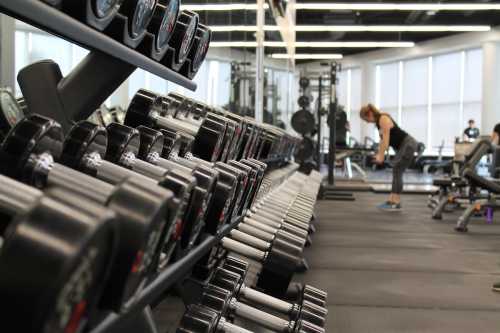
Beyond Muscle: Rewriting the Biological Clock
For years, the fitness industry has sold resistance training on its aesthetic and functional benefits: building muscle, burning fat, and increasing bone density. However, a staggering new longitudinal study published this week in Aging Cell reveals that the most profound benefit of lifting heavy weights may be happening at a level invisible to the naked eye. Researchers have demonstrated that a structured, high-intensity resistance training protocol can actively reverse biological aging by altering DNA methylation patterns. Epigenetics is the study of how behaviors and environment can cause changes that affect the way genes work. Unlike your genetic code, which is fixed, your epigenome is malleable. The 2026 findings prove that the mechanical tension generated by heavy lifting sends biochemical signals deep into the cell nucleus, effectively "turning back the clock" on the epigenetic markers that dictate cellular aging, offering a powerful, non-pharmacological intervention against age-related decline and all-cause mortality.
Understanding DNA Methylation and Epigenetic Clocks
To grasp the magnitude of this discovery, one must understand the concept of the "epigenetic clock." As humans age, chemical tags called methyl groups naturally accumulate or deplete at specific sites on our DNA. By measuring the methylation status of hundreds of these CpG sites, scientists can calculate a person's "biological age," which is often vastly different from their chronological age. A high biological age is a strong predictor of frailty, cognitive decline, and chronic disease. The new study tracked 500 adults over five years, utilizing the highly accurate GrimAge and PhenoAge epigenetic clocks. While the control group and the aerobic exercise group showed expected age-related methylation drift, the cohort engaged in heavy, progressive resistance training (lifting at 80-85% of their one-rep max) exhibited a statistically significant reversal of their biological age. On average, the heavy lifters reversed their epigenetic clock by 3.2 years over the course of the study, effectively making their cells younger than they were when the trial began.
The Mechanotransduction Pathway
How does lifting a heavy piece of iron alter the chemical tags on DNA? The answer lies in a process called mechanotransduction. When skeletal muscle is subjected to high mechanical tension, the physical force is converted into biochemical signals. These signals activate pathways involving mTOR, AMPK, and specific myokines (muscle-derived cytokines) like irisin and interleukin-6. The 2026 research pinpointed that these systemic signals travel to the nucleus and recruit enzymes called DNA methyltransferases (DNMTs) and ten-eleven translocation (TET) enzymes, which actively add or remove methyl groups from the DNA. Specifically, heavy resistance training was shown to demethylate (activate) genes associated with mitochondrial biogenesis, cellular repair, and inflammation regulation, while hypermethylating (silencing) genes linked to senescence and chronic systemic inflammation. This systemic epigenetic shift creates a cellular environment that is highly resilient, anti-inflammatory, and primed for longevity.
Longevity vs. Aesthetics: A Paradigm Shift
This discovery is forcing a massive paradigm shift in how medical professionals prescribe exercise. Historically, steady-state Zone 2 cardio has been the darling of the longevity community due to its profound effects on cardiovascular health and mitochondrial density. While cardio remains essential, the epigenetic data proves that heavy resistance training is equally, if not more, critical for reversing systemic biological aging. The loss of muscle mass (sarcopenia) and the infiltration of fat into muscle tissue (myosteatosis) are primary drivers of epigenetic aging. By maintaining and building dense, functional muscle tissue through heavy loading, individuals are essentially creating a massive "sink" for glucose disposal and a reservoir of anti-aging myokines. The new medical consensus emerging in 2026 is that longevity training must include heavy, safe, and progressive resistance work at least twice a week, specifically targeting the large muscle groups of the legs, back, and chest to maximize the systemic epigenetic response.
Practical Application: Training for the Epigenome
For the everyday fitness enthusiast, this means that the pursuit of strength is intrinsically linked to the pursuit of a longer, healthier life. The protocol that yielded the best epigenetic results in the study involved compound movements—squats, deadlifts, presses, and rows—performed in the 5 to 8 repetition range, pushing close to muscular failure. The mechanical tension must be sufficient to trigger the mechanotransduction pathways; light weights lifted for high repetitions, while good for muscular endurance, did not produce the same profound epigenetic shifts. Furthermore, the study highlighted the importance of recovery, noting that the epigenetic remodeling occurs during the sleep cycles following the training stimulus. As the fitness industry digests these findings, the narrative is shifting from lifting weights to look good on the beach, to lifting weights to literally rewrite your genetic destiny and add vibrant, functional years to your lifespan.
Longevity Science: Follow the latest epigenetic research on Aging Cell on X or connect with evidence-based strength coaches on Strength & Longevity on Instagram.
Related Articles

The Fractured Atlas: Navigating the Convergence of Geopolitical, Financial, and Environmental Faultlines
Aug 22, 2026
The Metabolic Economy: How Nutrition Policy is Reshaping Global Capital Flows and Workforce Productivity
Aug 22, 2026
Comments (0)
No comments yet. Be the first to share your thoughts!
Want to join the discussion?
Please log in to post a comment.
Login NoworCreate an Account