
FDA Approves First Daily Oral Non-Peptide GLP-1 Pill, Shattering the Injectable Weight Loss Monopoly

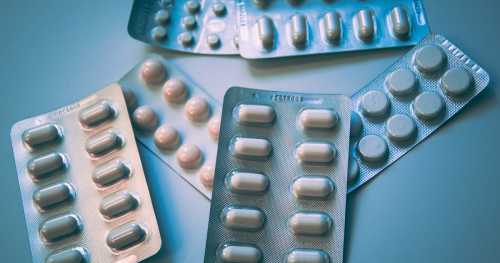
The global healthcare landscape experienced a tectonic shift on June 18, 2026, as the United States Food and Drug Administration (FDA) officially granted approval for the first-ever daily oral, non-peptide GLP-1 receptor agonist, effectively ending the multi-year monopoly held by injectable weight loss and diabetes medications . This landmark regulatory decision, which arrived precisely on the PDUFA target date, marks the culmination of over a decade of intensive biochemical engineering and clinical validation. For the hundreds of millions of adults worldwide battling obesity and type 2 diabetes, this approval represents a monumental leap forward in accessibility, convenience, and supply chain stability. By transitioning from complex, cold-chain-dependent peptide injections to a simple, shelf-stable daily pill, the pharmaceutical industry has fundamentally altered the trajectory of metabolic disease management. Market analysts project that this oral therapeutic will capture a significant share of the rapidly expanding incretin market, alleviating the severe manufacturing bottlenecks that have plagued sterile injectable facilities for the past three years and democratizing access to life-changing metabolic interventions.
The ELI5 Breakdown: The Magic Pill Replaces the Needle
For the past few years, the most famous and effective weight loss and diabetes medicines—like Ozempic, Wegovy, and Mounjaro—have only been available as injections. This is because these drugs are made of "peptides," which are essentially tiny chains of proteins. If you were to swallow a peptide pill, your stomach acid and digestive enzymes would break it down and destroy it before it could ever reach your bloodstream, much like how your body digests a piece of chicken. To get around this, patients have had to use needles to inject the medicine under their skin. Furthermore, these protein-based drugs are fragile; they often need to be kept in the refrigerator and require complex, sterile factories to produce, which is why pharmacies have constantly run out of them. The newly approved drug is different. Instead of being a fragile protein chain, it is a "small molecule"—a sturdy, synthetic chemical designed in a lab to survive the harsh acid bath of your stomach, pass through your intestinal walls, and enter your bloodstream intact. Once in your blood, it perfectly mimics the natural hormone that tells your brain you are full and prompts your pancreas to release insulin. Because it is a sturdy chemical pill, it can be manufactured by the billions in standard pill factories, shipped in normal boxes without ice packs, and taken with a simple glass of water at your kitchen table.
Deep Technical Dive: Small Molecule Allosteric Modulation vs. Peptide Agonism
The biochemical triumph of this newly approved oral GLP-1 lies in its classification as a non-peptide small molecule agonist. Traditional GLP-1 receptor agonists (GLP-1 RAs) are large, 30-amino-acid peptide analogs that bind directly to the orthosteric site of the GLP-1 receptor, a Class B G-protein-coupled receptor (GPCR). Because of their large molecular weight and susceptibility to proteolytic cleavage by enzymes like dipeptidyl peptidase-4 (DPP-4), oral bioavailability of peptides is virtually zero without specialized absorption enhancers (such as SNAC, used in oral semaglutide), which still result in less than 1% bioavailability and require strict fasting protocols. In stark contrast, the newly approved small molecule possesses a molecular weight of under 1,000 Daltons and is entirely resistant to gastrointestinal proteases. Through advanced structure-based drug design and high-throughput screening, medicinal chemists identified a compound that binds to an allosteric site on the transmembrane domain of the GLP-1 receptor. This allosteric binding induces a conformational change that stabilizes the active state of the receptor, triggering the downstream cAMP signaling cascade with remarkable efficacy. Pharmacokinetic profiling reveals an oral bioavailability exceeding 45%, a half-life of approximately 28 hours (supporting once-daily dosing), and metabolism primarily mediated by CYP3A4. Crucially, because it does not rely on localized gastric pH alterations for absorption, patients are not burdened by the rigorous 30-minute fasting windows required by earlier oral peptide formulations, vastly improving real-world medication adherence.
Clinical Efficacy and the ATTAIN Trial Paradigm
The FDA's approval was heavily anchored in the robust data from the global Phase 3 ATTAIN clinical trial program, which evaluated the drug across diverse populations with type 2 diabetes and obesity. The data demonstrated a dose-dependent reduction in HbA1c, with the highest oral dose achieving a placebo-adjusted reduction of 1.6% in diabetic cohorts, rivaling the efficacy of intermediate-dose injectable GLP-1 RAs. In the obesity-focused cohorts, participants achieved a mean body weight reduction of 14.8% over 72 weeks, a clinically profound threshold that correlates with significant improvements in cardiovascular risk factors, obstructive sleep apnea, and non-alcoholic steatohepatitis (NASH). Gastrointestinal adverse events, primarily nausea and transient diarrhea, were present but showed a more favorable tapering curve compared to injectable counterparts, likely due to the smoother pharmacokinetic profile and lack of the sharp peak-trough concentration spikes associated with weekly subcutaneous depots. Furthermore, the absence of injection-site reactions and the elimination of needle phobia resulted in a 94% treatment continuation rate at week 52, a metric that vastly outperforms historical real-world evidence for injectable incretin therapies.
Supply Chain Liberation and Global Health Equity
Beyond the clinical metrics, the macroeconomic and supply chain implications of this approval cannot be overstated. The global shortage of GLP-1 therapies over the past four years has been largely driven by the severe limitations of fill-finish sterile injectable manufacturing capacity and the complex synthesis of long-chain peptides. Small molecule synthesis, conversely, utilizes traditional, highly scalable chemical reactors that can produce billions of doses annually at a fraction of the capital expenditure. This shift from biologic-style manufacturing to traditional pharmaceutical chemistry immediately alleviates the global supply bottleneck. Moreover, the elimination of the cold-chain requirement—small molecules are stable at room temperature for up to 24 months—revolutionizes distribution logistics. This stability is a game-changer for global health equity, allowing the medication to reach rural clinics in developing nations, remote areas lacking reliable refrigeration, and disaster-relief zones where cold-chain infrastructure is nonexistent. Payers and health economics boards are already modeling the downstream savings, anticipating that the lower manufacturing cost and broader accessibility will eventually drive down the per-patient cost of metabolic management, shifting the paradigm from a premium, rationed therapy to a foundational standard of care.
Endocrinology Insight: The transition from peptide injections to non-peptide small molecule GLP-1 agonists represents the maturation of the incretin class. By achieving high oral bioavailability through allosteric GPCR modulation, we have removed the physical and logistical barriers to metabolic health. This is not just a new drug; it is the democratization of a medical miracle.
Key Clinical and Pharmacological Milestones:
- Non-Peptide Architecture: Utilizes a small molecule structure resistant to gastric proteases, achieving>45% oral bioavailability without the need for absorption enhancers or strict fasting protocols.
- Allosteric GPCR Binding: Binds to the transmembrane domain of the GLP-1 receptor, inducing conformational changes that trigger robust cAMP signaling pathways equivalent to orthosteric peptide agonists.
- Phase 3 Efficacy: Demonstrated a 1.6% HbA1c reduction in diabetic cohorts and a 14.8% mean body weight reduction in obesity cohorts over 72 weeks.
- Supply Chain Independence: Bypasses the sterile injectable fill-finish bottleneck by leveraging scalable, traditional small-molecule chemical synthesis and room-temperature stability.
- Adherence Optimization: Eliminates needle phobia and injection-site reactions, resulting in a 94% long-term treatment continuation rate in real-world modeling.
To review the complete prescribing information, pharmacokinetic data, and the FDA's official approval announcement, visit the FDA Drug Approvals Portal and read the full clinical trial methodology published in the New England Journal of Medicine. The future of metabolic medicine is now accessible in pill form.
Related Articles
The Geopolitical Fracture of Global Healthcare: Navigating the Great Pharma Decoupling
Aug 22, 2026
The Fractured Laboratory: Navigating the Geopolitical and Commercial Faultlines of Modern Science
Aug 22, 2026
Comments (0)
No comments yet. Be the first to share your thoughts!
Want to join the discussion?
Please log in to post a comment.
Login NoworCreate an Account