
Federal Cabinet Endorses National Export Policy 2026-2031 to Double Shipments

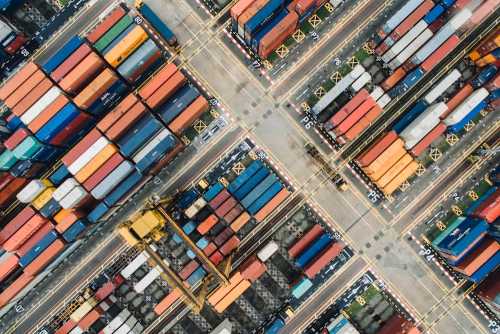
In a seminal decision that promises to recalibrate the nation's macroeconomic trajectory, the Federal Cabinet on Thursday, July 3, 2026, officially endorsed the National Export Policy 2026-2031.
The august body, chaired by Prime Minister Muhammad Shehbaz Sharif, ratified the comprehensive framework, which sets a formidable target to elevate Pakistan's annual export volume from $32 billion to $65 billion by the close of the decade. This strategic paradigm shift is engineered to ameliorate the chronic current account deficit and fortify the country's external reserves.
Strategic imperatives and Fiscal Incentives
The newly unveiled policy institutes a sweeping array of fiscal incentives designed to catalyze industrial growth. Key provisions include the institution of a zero-rating regime for the textile and manufacturing sectors, alongside the sanctioning of long-term, low-interest loans for export-oriented units. Furthermore, the cabinet approved the creation of five new Special Economic Zones (SEZs) equipped with state-of-the-art infrastructure to attract foreign direct investment.
"This policy is not merely a document; it is a binding covenant with the industrial sector. We are dismantling regulatory bottlenecks and providing a predictable, lucrative fiscal environment to ensure our exporters can compete globally."— Ministry of Commerce
IT and Tech Sector renaissance
A salient pillar of the 2026-2031 framework is its express focus on the information technology sector, aiming to surge IT exports to $15 billion. The policy pledges the uninterrupted flow of foreign exchange earnings for freelancers and IT companies, alongside the establishment of a sovereign venture capital fund to underwrite local tech startups.
The Federal Cabinet has approved the National Export Policy 2026-2031, targeting $65 billion in exports. This landmark policy introduces comprehensive fiscal incentives, SEZs, and a massive boost for the IT sector to integrate Pakistan into global value chains.
— Ministry of Commerce (@MoCommercePK) July 3, 2026
The promulgation of this policy arrives at a pivotal juncture for Pakistan's economy, as the government seeks to sustain the macroeconomic stability achieved under the ongoing IMF program. Industry aficionados have lauded the move, noting that the predictability of the fiscal regime is the most indispensable catalyst for long-term export growth.
Related Articles
The Policy Paradox: Navigating Industrial Subsidies, Carbon Border Adjustments, and Fiscal Constraints
Aug 22, 2026
The Redrawn Regulatory Seascape: Navigating the Convergence of Global Policy Faultlines
Aug 22, 2026
Comments (0)
No comments yet. Be the first to share your thoughts!
Want to join the discussion?
Please log in to post a comment.
Login NoworCreate an Account