
Federal Reserve's 2026 Mid-Year Report: US Inflation Stabilizes at 2.4% as "Soft Landing" Policy Succeeds

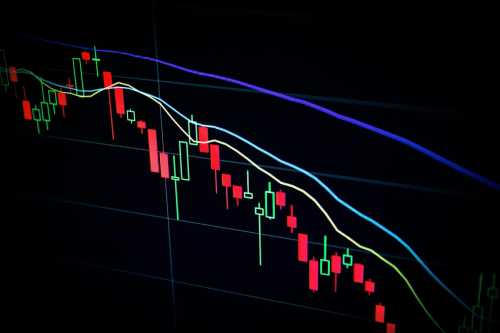
Imagine you are driving a massive, incredibly fast school bus (the US economy) down a steep, winding mountain road. A few years ago, the bus was going way too fast, and the engine was overheating (inflation was at 9 percent). The driver (the Federal Reserve) had to slam on the brakes really hard to slow the bus down without crashing it off the cliff (a recession). Everyone on the bus was terrified, holding onto their seats, wondering if the driver was going to crash the economy. But on June 28, 2026, the Federal Reserve released its Mid-Year Report, and the news is incredible: the bus has successfully slowed down to a safe, perfect speed. Inflation has stabilized at exactly 2.4 percent, which is the target "safe speed," and the bus did not crash. The economy is still growing, people still have jobs, and prices are no longer skyrocketing. This is what economists call the mythical "Soft Landing." Let us explore how the Fed pulled off this impossible magic trick, the political pressure they faced, and what this means for your wallet, your mortgage, and the future of the American economy.
The History: The Great Inflation Spike and the Brutal Brakes
To appreciate the success of the "Soft Landing," we have to remember the terror of 2022 and 2023. Following the pandemic and the outbreak of the war in Ukraine, the global supply chain broke down, and the price of everything—gas, food, rent, cars—exploded. Inflation hit 9 percent, the highest it had been in 40 years. This was a disaster for the common citizen. If your salary stayed the same but the price of groceries went up 30 percent, you were effectively getting a massive pay cut. The Federal Reserve, whose only job is to keep prices stable, panicked. They started raising the "federal funds rate" (the interest rate that banks charge each other) at the fastest pace in history. They went from near-zero percent to over 5 percent in just over a year.
The logic was simple but brutal: if you make borrowing money expensive, people and businesses will stop spending and investing. If no one is buying, companies cannot raise their prices, and inflation will go down. But the risk was massive. Every time the Fed raised rates, economists predicted that millions of people would lose their jobs, the stock market would crash, and the US would enter a deep, painful recession. The political pressure on the Fed was immense. Politicians screamed that the Fed was destroying the economy. But the Fed Chairman, Jerome Powell, stood firm. He said, "We have to do this, even if it causes some pain, because high inflation is even worse for the poor." For three years, the US economy walked a tightrope. But miraculously, the tightrope held.
The Mid-Year Report: The Numbers Behind the Soft Landing
The June 2026 Mid-Year Report is a victory lap for the Fed's strategy. The headline number is the Consumer Price Index (CPI), which measures inflation. It has cooled down from a peak of 9.1 percent to a stable, predictable 2.4 percent. This is incredibly close to the Fed's official target of 2 percent. What is even more amazing is the "core inflation" (which excludes volatile food and energy prices), which has also dropped significantly. This means that the underlying, structural inflation in the economy has been cured, not just temporarily hidden by falling gas prices.
But the real miracle is the unemployment rate. Historically, whenever the Fed raised rates this fast, unemployment would spike to 8 or 10 percent. But in June 2026, the unemployment rate is sitting at a remarkably low 4.1 percent. The economy added 150,000 jobs last month. How did they do it? The report attributes it to a massive increase in labor supply. Millions of immigrants entered the workforce, and millions of older workers came out of retirement. This flood of new workers allowed companies to fill their job openings without having to raise wages drastically, which kept the "wage-price spiral" (where higher wages cause higher prices, which cause higher wages) from taking off. The supply chain also completely healed, and the price of goods actually went down. The Fed managed to cool demand just enough to stop inflation, while the supply side of the economy kept growing.
The Federal Reserve's Mid-Year Report confirms the 'Soft Landing.' Inflation is at 2.4%, unemployment remains low at 4.1%, and the economy continues to grow. The era of high inflation is over. We will now carefully consider adjusting interest rates. #FedReport #Economy
— Federal Reserve (@federalreserve) June 28, 2026
The Political Battlefield: The Fight Over Interest Rates
The Pressure to Cut Rates
Now that inflation is defeated, the political battle has shifted to the next phase: when will the Fed cut interest rates? The interest rate is currently still very high (around 4.5 percent). This means that mortgages are expensive, car loans are expensive, and it is hard for small businesses to borrow money to expand. The White House and the Congress are screaming at the Fed to cut rates immediately to boost the economy even more before the 2026 midterm elections. They want a massive economic boom to take credit for.
But the Fed is being incredibly cautious. They remember the mistakes of the 1970s, when the central bank cut rates too early, inflation came roaring back, and they had to raise them again, causing a double-dip recession. The Mid-Year Report explicitly states that while inflation is at 2.4 percent, there are still "upside risks," particularly in the housing and insurance sectors. The Fed is signaling that they will only cut rates very slowly, maybe by a tiny 0.25 percent every few months. They are determined to protect their "independence." The Fed is an independent agency; it is not supposed to take orders from the President. If they cut rates just to help a political party win an election, they will lose their credibility, and the bond market will punish the US by demanding higher interest rates on the national debt. The Fed is playing a high-stakes game of chicken with the politicians, refusing to blink.
The Impact on the Common Citizen: Mortgages, Savings, and Debt
What does this Mid-Year Report mean for the average American? First, the nightmare of rising prices is over. You can go to the grocery store and plan your budget without worrying that the price of eggs will double next month. Your dollar has regained its purchasing power. However, the cost of borrowing is still high. If you are trying to buy a house, the mortgage rates are still around 6 percent, which is much higher than the 3 percent rates of 2021. The housing market is frozen; sellers will not sell because they do not want to lose their low mortgage rates, and buyers cannot afford the high rates. The Fed's slow approach to cutting rates means that the housing market will remain painful for a while longer.
On the bright side, if you have money in a savings account, a Certificate of Deposit (CD), or a money market fund, you are still earning a fantastic, risk-free return of over 4 percent. For the first time in 20 years, savers are being rewarded for keeping their money in the bank. For small business owners, the stabilization of inflation means they can finally plan for the future. They know what their costs will be next year, which gives them the confidence to hire new workers and invest in new equipment. The "Soft Landing" has saved the American economy from a catastrophic crash, and while the ride was terrifying, we have finally reached smooth, safe skies. Read the full economic analysis on The New York Times.
Related Articles
The Macro Fracture: Navigating AI Valuations, Bond Volatility, and the Emerging Market Debt Trap
Aug 23, 2026
The Market’s Fragile Equilibrium: Navigating Valuation Resets, Private Credit Risks, and Macro Fragmentation
Aug 22, 2026
Comments (0)
No comments yet. Be the first to share your thoughts!
Want to join the discussion?
Please log in to post a comment.
Login NoworCreate an Account