
FIFA World Cup 2026: USA vs Australia Tactical Preview as Seattle Prepares for High-Stakes Group D Clash

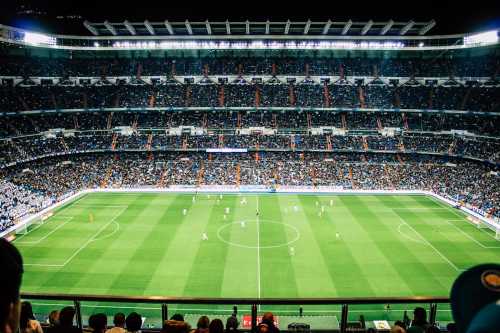
SEATTLE, WA — The Pacific Northwest is bracing for a seismic sporting event as the United States Men's National Team (USMNT) prepares to face Australia in a pivotal Group D match at the iconic Lumen Field on June 19, 2026. This FIFA World Cup 2026 fixture is not merely another group stage game; it is a defining moment for Mauricio Pochettino’s squad, a tactical chess match against a resilient Socceroos side, and a cultural celebration of the sport in one of America's most passionate soccer markets [Source: FIFA Match Center].
The Seattle Factor: A Cauldron of Noise and Expectation
Lumen Field, renowned for its deafening atmosphere and the famous "Emerald City" supporters' section, will be transformed into a cauldron of noise. With a capacity of nearly 70,000 for this tournament, the stadium represents a unique home-field advantage. The USMNT has deliberately scheduled their group stage matches in cities with strong soccer infrastructure and passionate fanbases, and Seattle is the crown jewel of this strategy. The altitude, the climate, and the hostile environment are all calculated variables designed to unsettle visiting teams. For the Australian squad, accustomed to the vast, open spaces and varying climates of their home continent, the claustrophobic intensity of a Seattle matchday will be a profound psychological test.
Tactical Breakdown: Pochettino’s High Press vs. Popovic’s Low Block
Mauricio Pochettino has spent the last 18 months instilling a high-intensity, vertical pressing philosophy into the USMNT. The American system relies on a fluid 4-3-3 formation that morphs into a 3-2-5 in possession, with the fullbacks pushing exceptionally high to create overloads in the half-spaces. Christian Pulisic, operating as the central attacking midfielder in this system, is given the freedom to drift wide and exploit one-on-one scenarios, while the wingers tuck inside to occupy the half-spaces. The pressing triggers are meticulously drilled: when the ball goes to the Australian center-backs, the American front three initiate a coordinated sprint to force the play wide, where the touchline acts as an extra defender.
Conversely, Australian manager Tony Popovic is a master of the pragmatic, defensive low block. The Socceroos are expected to deploy a compact 5-4-1 out of possession, designed to congest the central channels and force the USMNT into crossing the ball from deep, wide areas. Popovic’s defensive structure relies on exceptional discipline and the physical dominance of his center-backs. The tactical battle will be decided in the transition phases. If the USMNT loses the ball in the final third, Australia’s wing-backs—likely Craig Goodwin and Riley McGree—will immediately spring forward, targeting the spaces left behind the advanced American fullbacks. The pace of Mathew Leckie on the counter-attack will be the primary weapon for the Australians.
Key Personnel: The Battle of the Midfield Maestros
The midfield trio will be the engine room of this contest. For the USA, the presence of a seasoned defensive midfielder is crucial to shield the backline against the Australian counter. The physical battle between the American midfielders and the combative Australian duo of Jackson Irvine and Aaron Mooy will dictate the tempo of the game. Irvine, known for his box-to-box endurance and late runs into the penalty area, poses a significant threat on set-pieces, an area where the Socceroos have historically excelled. For the USMNT, the ability of their deep-lying playmaker to break the first line of pressure and switch the play to the isolated wingers will be the key to unlocking the Australian defense.
The Stakes: Knockout Stage Implications and Historical Context
The mathematics of the 48-team World Cup format mean that securing maximum points in the group stage is paramount. A victory over Australia would virtually guarantee the USMNT’s progression to the Round of 32, potentially allowing Pochettino to rotate his squad for the final group match. Historically, matchups between the USMNT and the Socceroos are fiercely contested, often characterized by physicality and a lack of clear-cut chances. The last time these two sides met in a competitive fixture, the margins were razor-thin, decided by moments of individual brilliance and defensive lapses. The psychological weight of playing in front of a home crowd at a World Cup cannot be overstated; the American players must channel the energy of the crowd into focused execution, avoiding the emotional highs and lows that often derail young teams on the global stage.
Voices from the Camp: Confidence and Caution
In the pre-match press conferences, the tone from both camps was a mixture of supreme confidence and respectful caution. Mauricio Pochettino emphasized the need for patience, warning his players against the frustration that often accompanies facing a deeply entrenched defense. "We know they will suffer without the ball, but their transition speed is lethal. We must control the tempo, move the ball with purpose, and remain defensively vigilant during our offensive phases," Pochettino stated. Tony Popovic, meanwhile, embraced the underdog role, instilling a belief in his squad that they can exploit the American eagerness. "They are the hosts, the pressure is on them to break us down. We will absorb the pressure, stay compact, and when the moment arrives, we will strike with everything we have."
Conclusion: A Defining 90 Minutes
As the sun sets over the Puget Sound and the lights illuminate the pitch at Lumen Field, the stage is set for a classic World Cup encounter. The tactical nuances, the physical battles, and the sheer emotional weight of the occasion will culminate in a match that could define the trajectory of the USMNT’s campaign. For Australia, it is an opportunity to prove their tactical discipline on the biggest stage; for the United States, it is a mandate to harness the power of their home soil and march toward the knockout rounds. The world will be watching as two distinct footballing philosophies collide in the Pacific Northwest.
Related Articles

The Metabolic Realignment: How Pharmacology, Regulation, and Algorithms Are Rewiring the Wellness Economy
Aug 22, 2026
The Pharmacological and Regulatory Recalibration of the Global Wellness Economy
Aug 22, 2026
Comments (0)
No comments yet. Be the first to share your thoughts!
Want to join the discussion?
Please log in to post a comment.
Login NoworCreate an Account