
G7 Summit Concludes in Evian with Pledges for Global Economic Stability and Climate Action

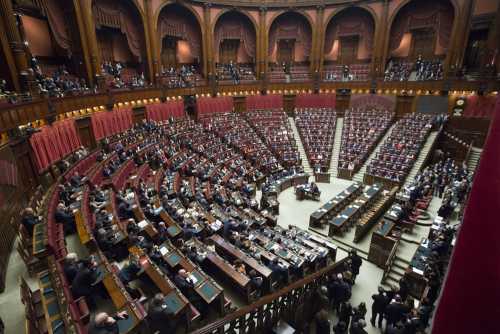
The leaders of the world's most advanced economies have wrapped up their annual gathering at the G7 Summit in Evian, France, concluding three days of intense negotiations focused on fostering a stable and predictable economic environment worldwide. Held from June 15 to 17, 2026, the summit took place against a backdrop of lingering inflationary pressures, geopolitical tensions, and the accelerating impacts of climate change. The final communique released by the host nation outlines a series of ambitious commitments aimed at revitalizing global supply chains, combating illicit financial flows, and accelerating the transition to renewable energy sources. French President, who chaired the proceedings, hailed the summit as a resounding success, emphasizing the renewed unity among the member states in the face of unprecedented global challenges. However, critics and international observers have pointed out that while the rhetoric remains strong, the concrete mechanisms for enforcement and the financial commitments to support developing nations remain somewhat vague. As the delegations return to their respective capitals, the true test of the Evian agreements will be in their implementation over the coming months and years.
Tackling Inflation and Supply Chain Vulnerabilities
A primary focus of the Evian summit was the ongoing struggle to tame inflation without triggering a global recession. The G7 leaders acknowledged that while inflation rates have moderated from their peak levels, the cost of living remains a significant burden for millions of citizens across the member states. To address this, the group has agreed to coordinate their monetary and fiscal policies more closely, aiming to avoid competitive devaluations and disruptive trade practices. Furthermore, the summit produced a comprehensive strategy to fortify global supply chains, which were severely disrupted during the pandemic and subsequent geopolitical conflicts. The leaders committed to diversifying their sources of critical minerals and raw materials, reducing over-reliance on any single nation for essential goods. This includes significant investments in domestic manufacturing capabilities and the establishment of strategic stockpiles for vital commodities. By enhancing the resilience of their supply chains, the G7 nations hope to insulate their economies from future shocks and ensure the steady flow of goods necessary for economic growth.
Climate Change and the Energy Transition
Climate change featured prominently on the agenda, with the leaders reaffirming their commitment to the goals set forth in the Paris Agreement. The Evian communique includes a pledge to phase out inefficient fossil fuel subsidies and to significantly increase funding for climate adaptation and mitigation projects in developing countries. The G7 nations have also agreed to accelerate the deployment of renewable energy technologies, particularly offshore wind and green hydrogen, aiming to achieve net-zero electricity grids by 2035. To support this transition, a new multilateral fund has been established to provide concessional financing for clean energy infrastructure in the Global South. This fund is designed to leverage private sector investment, thereby multiplying the impact of public dollars. However, environmental advocates have expressed concern that the timelines set for phasing out coal and other fossil fuels are still not aggressive enough to limit global warming to 1.5 degrees Celsius. They are calling for more binding commitments and stricter penalties for nations that fail to meet their emission reduction targets.
Stay Informed on Global Policy: Follow the official G7 updates and policy briefings on X (formerly Twitter) at @G7 or connect with international policy experts on LinkedIn through the official G7 Summit group.
Geopolitical Security and Defense Cooperation
Beyond economics and climate, the G7 leaders also addressed the deteriorating security environment in various parts of the world. The summit served as a platform to coordinate responses to ongoing conflicts and regional instabilities that threaten international peace and prosperity. The leaders issued a strong condemnation of unprovoked aggression and reaffirmed their unwavering support for the sovereignty and territorial integrity of all nations. They also agreed to enhance their cooperation on defense technology and cybersecurity, recognizing that modern conflicts are increasingly fought in the digital domain. The G7 is committed to working closely with NATO and other regional security alliances to deter aggression and maintain a rules-based international order. Additionally, the leaders discussed the importance of addressing the root causes of conflict, including poverty, inequality, and political marginalization. By adopting a comprehensive approach to security, the G7 aims to not only respond to crises but also prevent them from occurring in the first place.
Regulating Artificial Intelligence and Emerging Technologies
Recognizing the transformative potential and the inherent risks of artificial intelligence, the G7 leaders dedicated a significant portion of their discussions to the governance of emerging technologies. The summit resulted in the establishment of a new international framework for the ethical development and deployment of AI. This framework aims to promote innovation while safeguarding human rights, privacy, and democratic values. The leaders agreed to collaborate on setting global standards for AI safety and transparency, ensuring that these technologies are used for the benefit of all humanity. They also addressed the challenge of the digital divide, committing to bridge the gap in access to high-speed internet and digital skills training between developed and developing nations. By taking a proactive approach to technology governance, the G7 hopes to shape the future of the digital economy in a way that is inclusive, secure, and sustainable. The decisions made in Evian will undoubtedly have a profound impact on the tech industry and the broader global economy in the years to come.
The Road Ahead: From Rhetoric to Reality
As the G7 Summit in Evian draws to a close, the focus now shifts to the implementation of the agreements reached. The true measure of success for this gathering will not be found in the eloquence of the final communique, but in the tangible actions taken by the member states in the months and years ahead. The challenges facing the world today are complex and interconnected, requiring sustained cooperation and a willingness to make difficult compromises. The G7 nations have demonstrated a renewed sense of purpose and unity, but they must now deliver on their promises. The eyes of the world, particularly those in the developing nations, are upon them. The decisions made by the world's leading economies will have far-reaching consequences for global stability, prosperity, and the future of the planet. The road ahead is long and fraught with obstacles, but the agreements forged in Evian provide a solid foundation for navigating the uncertainties of the 21st century.
Related Articles

The Architecture of Fragmentation: Navigating the Multipolar Shift in Global Governance
Aug 22, 2026
The Friction Premium: How Geopolitical Realignment is Rewiring Global Capital and Trade in 2026
Aug 22, 2026
Comments (0)
No comments yet. Be the first to share your thoughts!
Want to join the discussion?
Please log in to post a comment.
Login NoworCreate an Account