
Global Crude Plunges 8% as US-Iran Memorandum of Understanding Shatters Geopolitical Risk Premium

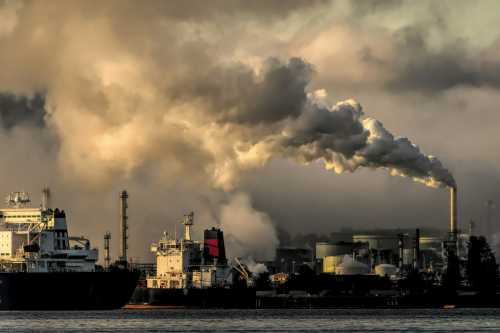
The Great Unwinding of the War Premium
In a trading session that will be etched into the annals of financial history, global crude oil futures experienced a catastrophic collapse, shedding nearly eight percent of their value in a single afternoon. The catalyst was the official signing of the Memorandum of Understanding (MOU) between the United States and the Islamic Republic of Iran, an event that effectively neutralized the geopolitical risk premium that had artificially inflated energy prices for the better part of two years. Brent crude plummeted below $72 a barrel, while West Texas Intermediate (WTI) sank to $68, triggering a massive short-covering rally in airline stocks and a brutal sell-off in traditional exploration and production (E&P) equities. For institutional investors, the message from the bond and commodity markets was unequivocal: the era of supply-side anxiety in the Persian Gulf is officially over, and the market must rapidly reprice the global energy matrix.
ELI5: What is a Geopolitical Risk Premium and Why Did it Vanish?
Imagine you are buying a used car. The car is worth $10,000, but the seller knows that the only other person selling a similar car in town just had their dealership burn down. Because there is less supply and more fear, the seller charges you $12,000. That extra $2,000 is a "risk premium"—money you pay just because you are scared something bad might happen. For the last two years, the global oil market had a massive risk premium baked into it. Traders were terrified that a war between the US and Iran would close the Strait of Hormuz, choking off 20% of the world's oil. When the MOU was signed, it was like finding out the other dealership didn't actually burn down. The fear vanished instantly, and the price of oil crashed back down to its actual, fundamental value. The market doesn't pay for fear anymore; it only pays for the physical oil.
Technical Analysis and Institutional Repositioning
From a technical standpoint, the breakdown in crude futures was violent and decisive. WTI broke through the critical 200-day moving average at $74 with immense volume, signaling a definitive trend reversal. Algorithmic trading systems, which had been programmed to buy dips based on historical Middle East tensions, were caught on the wrong side of the trade, triggering a cascade of automated stop-loss orders that accelerated the decline. Institutional money managers are now aggressively rotating capital out of the energy sector and into consumer discretionary and transportation. The US Global Jets ETF (JETS) surged 12% in after-hours trading, as airlines, which treat jet fuel as their primary raw material cost, suddenly see their profit margins expanding by hundreds of basis points. Conversely, mega-cap energy producers are facing severe margin compression, and analysts at major Wall Street banks are already slashing their third-quarter earnings estimates for the sector.
The OPEC+ Dilemma and the Shadow Fleet
The most fascinating subplot in the energy markets is the impending crisis within the OPEC+ cartel. With Iranian barrels effectively returning to the global market under the protection of the US MOU, the cartel's pricing power is severely diminished. Saudi Arabia and Russia are now faced with a grim choice: either slash their own production to prop up prices, which would only cede more market share to the newly empowered Iranian and American producers, or flood the market and start a price war that would devastate their own national budgets. Furthermore, the "shadow fleet" of tankers that was used to smuggle sanctioned oil is now being legitimized, adding millions of barrels of highly visible, insured supply to the water. The structural oversupply scenario for 2027 is now pricing in, and the long end of the crude futures curve has flipped into a steep contango, indicating that traders expect prices to remain depressed for years to come.
Related Articles
The Macro Fracture: Navigating AI Valuations, Bond Volatility, and the Emerging Market Debt Trap
Aug 23, 2026
The Market’s Fragile Equilibrium: Navigating Valuation Resets, Private Credit Risks, and Macro Fragmentation
Aug 22, 2026
Comments (0)
No comments yet. Be the first to share your thoughts!
Want to join the discussion?
Please log in to post a comment.
Login NoworCreate an Account