
Global Trade Takes a Digital Leap: WCO Announces eATA Rollout in 30 Countries and Operation ZAFIRO Success

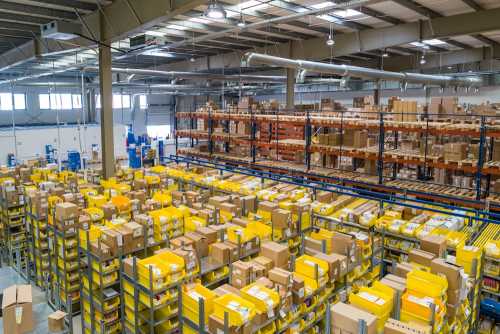
In a landmark development for international commerce, the World Customs Organization (WCO) has officially announced the successful rollout of the electronic Advanced Trade Authorization (eATA) system across 30 countries, marking a significant leap forward in the digitalization of global trade. Unveiled on June 19, 2026, this initiative aims to streamline customs procedures, reduce bureaucratic red tape, and accelerate the movement of goods across borders. The eATA system allows traders to submit and process essential documentation electronically, replacing the cumbersome paper-based processes that have long plagued international supply chains. Alongside the eATA rollout, the WCO also celebrated the conclusion of Operation ZAFIRO, the largest coordinated international customs enforcement operation to date, which successfully targeted illicit trade and smuggling networks. These dual announcements signal a new era of efficiency, transparency, and security in global trade, promising to lower costs for businesses, enhance revenue collection for governments, and improve the overall resilience of the global economy against disruptions.
Understanding the eATA: A Digital Revolution in Customs
The electronic Advanced Trade Authorization (eATA) represents a fundamental shift in how customs administrations interact with the trading community. Traditionally, international trade has been bogged down by a maze of physical documents, manual inspections, and disparate national systems that often lack interoperability. The eATA changes this by providing a standardized, secure, and universally recognized digital platform for the pre-arrival processing of trade documentation. By submitting their data electronically well before the goods arrive at the border, traders can receive rapid risk assessments and clearances, significantly reducing dwell times at ports and border crossings. This system leverages advanced technologies such as blockchain for secure data sharing and artificial intelligence for automated risk management. For customs authorities, the eATA provides unprecedented visibility into global supply chains, allowing them to target high-risk shipments more effectively while facilitating the smooth flow of low-risk trade. The initial rollout across 30 countries, which account for a substantial portion of global trade volume, demonstrates the widespread appetite for modernization and the willingness of nations to collaborate on digital infrastructure.
Operation ZAFIRO: A Massive Blow to Illicit Trade
Running parallel to the digital advancements, the WCO's Operation ZAFIRO has demonstrated the power of international cooperation in combating cross-border crime. Launched earlier this year, ZAFIRO involved synchronized customs controls and intelligence sharing among over 80 countries, targeting a wide array of illicit activities including the smuggling of counterfeit goods, narcotics, endangered species, and hazardous waste. The operation resulted in thousands of seizures, the arrest of numerous high-level traffickers, and the disruption of sophisticated criminal networks that have long exploited vulnerabilities in the global trading system. The success of ZAFIRO highlights the critical importance of real-time data exchange and joint operational planning. By utilizing the same digital frameworks that underpin the eATA, customs officials were able to identify suspicious patterns and coordinate interventions across multiple jurisdictions simultaneously. This operation not only protected public health and safety but also safeguarded legitimate businesses from the unfair competition posed by illicit trade, reinforcing the rule of law in the international marketplace.
Follow Global Trade Updates: Stay updated on international customs regulations and trade facilitation on X (formerly Twitter) at @WorldCustomsOrg or join the professional discussion on LinkedIn via the World Customs Organization official page.
Empowering Small and Medium-Sized Enterprises (SMEs)
One of the most significant benefits of the eATA rollout is its potential to democratize access to global markets for Small and Medium-Sized Enterprises (SMEs). Historically, the complexity and cost of navigating customs procedures have been a major barrier to entry for smaller businesses, limiting their ability to export and compete internationally. The digitalization of trade documentation through the eATA drastically reduces these compliance costs and simplifies the administrative burden. SMEs can now manage their customs clearance processes through user-friendly online portals, often with the assistance of automated compliance tools that guide them through the requirements of different destination countries. Furthermore, the predictability and speed afforded by the eATA allow smaller traders to manage their inventory more efficiently and respond more agilely to market demands. By leveling the playing field, the WCO's digital initiatives are poised to unlock the economic potential of millions of SMEs worldwide, fostering innovation, creating jobs, and driving inclusive economic growth.
Environmental Benefits and Sustainable Trade
Beyond the economic and security advantages, the digitalization of global trade also offers substantial environmental benefits. The transition from paper-based to electronic systems eliminates the massive consumption of paper, ink, and physical storage space associated with traditional customs documentation. More importantly, the efficiency gains resulting from the eATA contribute to a significant reduction in the carbon footprint of international logistics. By minimizing the time vehicles and vessels spend idling at borders and ports, the system helps to lower fuel consumption and greenhouse gas emissions. The optimized routing and reduced delays also mean that goods can be transported more efficiently, further enhancing the sustainability of global supply chains. The WCO has emphasized that the digital transformation of customs is a critical component of the broader global effort to achieve sustainable development goals. By facilitating greener trade practices, the organization is helping to align the international trading system with the urgent need to combat climate change and protect the environment for future generations.
Future Expansions and the Road Ahead
The successful launch of the eATA in 30 countries is just the beginning of a broader digital transformation envisioned by the WCO. The organization has already received expressions of interest from dozens of additional nations looking to join the network, with plans to expand the system to cover over 100 countries within the next three years. This expansion will require ongoing technical assistance, capacity building, and infrastructure investment, particularly in developing nations where digital readiness may be lower. The WCO is working closely with international financial institutions and development partners to secure the necessary funding and support for these countries. As the network grows, the interoperability of the eATA system will become increasingly powerful, creating a truly seamless global trading environment. The lessons learned from Operation ZAFIRO will also continue to inform the development of new, intelligence-led enforcement strategies that leverage the vast amounts of data generated by the digital trade ecosystem. The future of global trade is undeniably digital, and the WCO's initiatives are paving the way for a more efficient, secure, and sustainable international marketplace.
Related Articles

The Architecture of Fragmentation: Navigating the Multipolar Shift in Global Governance
Aug 22, 2026
The Friction Premium: How Geopolitical Realignment is Rewiring Global Capital and Trade in 2026
Aug 22, 2026
Comments (0)
No comments yet. Be the first to share your thoughts!
Want to join the discussion?
Please log in to post a comment.
Login NoworCreate an Account