
Gut Microbiome Metabolites Identified as Primary Drivers of Neuroinflammation in Early-Stage Alzheimer's Disease

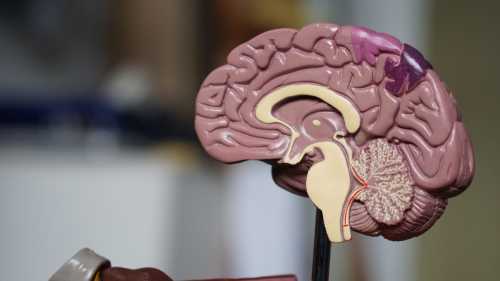
ROCHESTER, MN — Researchers at the Mayo Clinic have published a landmark study in Nature Neuroscience identifying specific gut microbiome-derived metabolites as the primary catalysts for neuroinflammation and amyloid-beta (Aβ) plaque accumulation in early-stage Alzheimer's disease (AD) [Source: Mayo Clinic News Network]. The findings provide a mechanistic link between intestinal dysbiosis and central nervous system (CNS) pathology, opening novel therapeutic avenues targeting the gut-brain axis.
The Gut-Brain Axis: Lipopolysaccharides and Short-Chain Fatty Acids
The study utilized a combination of 16S rRNA sequencing, shotgun metagenomics, and mass spectrometry on cerebrospinal fluid (CSF) and fecal samples from 500 patients across the AD continuum. The researchers identified a profound depletion of short-chain fatty acid (SCFA) producing bacteria, specifically Faecalibacterium prausnitzii and Roseburia species, alongside an expansion of pro-inflammatory Proteobacteria.
The critical finding is the role of lipopolysaccharides (LPS), endotoxins found in the outer membrane of Gram-negative bacteria. In states of intestinal hyperpermeability ("leaky gut"), LPS translocates into the systemic circulation. The study demonstrates that LPS crosses the blood-brain barrier (BBB) via active transport mechanisms, where it binds to Toll-like receptor 4 (TLR4) on microglia. This binding triggers a cascade of intracellular signaling, including the NF-κB pathway, resulting in the massive release of pro-inflammatory cytokines such as IL-1β, IL-6, and TNF-α.
Microglial Priming and Amyloid Plaque Acceleration
Chronically activated microglia lose their homeostatic phenotype and transition into a neurotoxic state (often termed the DAPAM profile). These primed microglia fail to efficiently phagocytose and clear Aβ peptides. Instead, their inflammatory secretions accelerate the aggregation of Aβ into insoluble fibrils and promote the hyperphosphorylation of tau protein, leading to neurofibrillary tangles. The study showed that patients with the highest systemic LPS burden had a 3.5-fold faster rate of hippocampal atrophy over a 24-month period compared to those with intact gut barrier function.
Conversely, the depletion of SCFAs, particularly butyrate, removes a critical regulatory brake on neuroinflammation. Butyrate normally acts as a histone deacetylase (HDAC) inhibitor, promoting the expression of brain-derived neurotrophic factor (BDNF) and reinforcing the tight junctions of the BBB. The loss of butyrate-producing microbes thus creates a dual hit: increased BBB permeability and loss of anti-inflammatory signaling.
Therapeutic Implications: Next-Generation Psychobiotics
The translation of these findings into clinical practice is already underway. The Mayo Clinic team is launching a Phase 2a trial of a rationally designed "psychobiotic" consortium—a combination of engineered bacterial strains optimized to restore butyrate production and degrade systemic LPS. Additionally, postbiotic interventions, utilizing purified, inanimate microbial cells or their isolated metabolites, are being evaluated for their ability to modulate microglial activation without the risk of systemic infection in immunocompromised elderly patients.
Dietary interventions, such as the MIND (Mediterranean-DASH Intervention for Neurodegenerative Delay) diet, are also being re-evaluated through the lens of microbiome modulation. The study confirms that the neuroprotective effects of high-fiber and polyphenol-rich diets are largely mediated by their capacity to foster a SCFA-producing microbiota and maintain intestinal barrier integrity.
Conclusion: Redefining Alzheimer's as a Systemic Metabolic Disorder
The identification of gut-derived metabolites as primary drivers of Alzheimer's pathology fundamentally shifts the understanding of the disease from a purely central nervous system disorder to a systemic metabolic and immunological condition. By targeting the gut microbiome, clinicians may be able to intervene years before the onset of cognitive decline, utilizing non-invasive, dietary, and microbial therapeutics to preserve the gut-brain axis and protect the aging brain.
Related Articles

The Entertainment Inflection Point: Navigating Streaming Monopolies, AI Disruption, and Geopolitical Fragmentation
Aug 22, 2026
The Macroeconomic Squeeze: How Geopolitics and Climate are Rewiring Global Health Architecture
Aug 22, 2026
Comments (0)
No comments yet. Be the first to share your thoughts!
Want to join the discussion?
Please log in to post a comment.
Login NoworCreate an Account