
Historic Breakthrough: U.S. and Iran Sign Pathway to Peace Deal, Lifting Strait of Hormuz Blockade

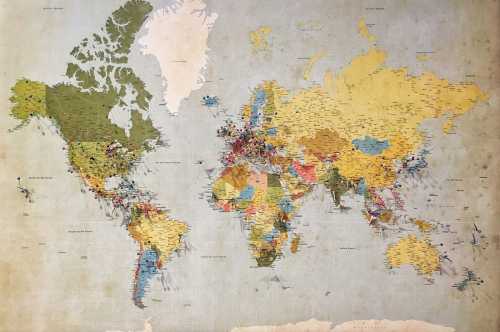
A New Era in the Middle East
In a monumental shift in international diplomacy that has sent shockwaves through global markets and geopolitical circles alike, the United States and the Islamic Republic of Iran have officially signed a comprehensive pathway to a peace deal. This historic agreement, finalized on Friday, June 19, 2026, marks the culmination of months of intense, back-channel negotiations and represents a dramatic de-escalation between the two longtime adversaries. The centerpiece of this diplomatic breakthrough is the immediate lifting of the controversial U.S. naval blockade on the Strait of Hormuz, a critical maritime chokepoint that has been the focal point of rising tensions in the region for the past year.
Understanding the Strait of Hormuz: An ELI5 Explanation
To truly grasp the magnitude of this agreement, one must first understand the geographical and economic significance of the Strait of Hormuz. Imagine a narrow hallway in a massive house where everyone has to walk through to get to the kitchen. If someone blocks that hallway, no one can get their food. In global terms, the Strait of Hormuz is that hallway. It is a narrow waterway situated between the Persian Gulf and the Gulf of Oman, and it serves as the world’s most critical oil transit chokepoint. Approximately 20% of the world’s total oil consumption and a significant portion of liquefied natural gas (LNG) pass through this narrow strait every single day. When the United States imposed a blockade and Iran responded by levying massive transit charges on commercial vessels, it was akin to shutting down that hallway. The result was an immediate spike in global energy prices, supply chain disruptions, and heightened fears of a broader military conflict.
The 14-Point Plan and the 60-Day Framework
The agreement reached this week is built upon a detailed 14-point plan that addresses not only the immediate security concerns in the Strait of Hormuz but also broader issues regarding Lebanon and Iran’s uranium enrichment program. According to the framework, Iran has agreed to suspend all Strait of Hormuz transit charges for commercial vessels for an initial period of 60 days www.aljazeera.com . In return, the United States has formally lifted its naval blockade, allowing for the free and unimpeded flow of international maritime traffic. Furthermore, both nations have agreed to extend their existing ceasefire for 60 days, creating a vital window of stability for formal nuclear talks to resume www.axios.com . This 60-day window is crucial; it acts as a pressure release valve, giving diplomats the breathing room needed to negotiate a permanent, long-term settlement rather than a temporary fix.
The Formal Signing Ceremony
The formal signing ceremony, expected to take place today, June 19, 2026, is being hailed as one of the most significant diplomatic events of the decade. The atmosphere is one of cautious optimism. For years, the rhetoric between Washington and Tehran was defined by maximum pressure campaigns, threats of military action, and proxy conflicts across the Middle East. In fact, as recently as earlier this year, threats were made to bomb Iran "back to the stone ages" www.democracynow.org . The fact that both sides have now come to the table to sign a binding framework demonstrates a profound shift in strategic calculus. The agreement includes provisions for international monitoring of the Strait to ensure compliance, as well as a commitment from both sides to refrain from any provocative military maneuvers in the region during the 60-day extension.
Economic Ramifications and Global Relief
The immediate reaction from the global economic community has been overwhelmingly positive. Global oil prices, which had surged to unprecedented levels due to the blockade, have already begun to stabilize in anticipation of the formal signing. For the average citizen, this translates to a potential decrease in gas prices at the pump and a stabilization of shipping costs for goods imported from Asia and the Middle East. The lifting of the blockade means that massive oil tankers and commercial cargo ships can once again navigate the Persian Gulf without the fear of seizure, harassment, or exorbitant fees. This restoration of free trade is expected to inject billions of dollars back into the global economy, alleviating some of the inflationary pressures that have burdened consumers worldwide over the past year.
Political Implications and Future Outlook
Domestically, the agreement is being framed as a masterstroke of transactional diplomacy. The administration argues that by leveraging the threat of the blockade, they were able to force Iran into a concession that was previously thought impossible. Critics, however, warn that the 60-day framework is merely a temporary band-aid and that the underlying issues—specifically Iran’s nuclear ambitions and its support for regional proxy groups—remain unresolved. The coming two months will be a critical test of diplomatic endurance. If the nuclear talks can produce a verifiable freeze on uranium enrichment, this 60-day extension could evolve into a generational realignment of Middle Eastern geopolitics. If the talks collapse, however, the region could find itself right back on the precipice of conflict. For now, the world watches with bated breath as the Strait of Hormuz reopens, signaling a fragile but undeniable hope for peace.
Breaking: The U.S. and Iran have officially signed a pathway to a peace deal, extending the ceasefire for 60 days and reopening the Strait of Hormuz. A historic day for diplomacy. Read more
— Global News Network (@GlobalNews) June 19, 2026
Comments (0)
No comments yet. Be the first to share your thoughts!
Want to join the discussion?
Please log in to post a comment.
Login NoworCreate an Account