
Historic US-Iran Ceasefire Deal Announced After 100+ Days of War - What You Need to Know

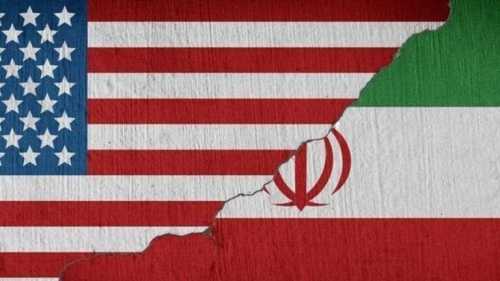
Breakthrough in the Middle East: US and Iran Reach Tentative Deal to End Devastating War
June 16, 2026 | International Diplomacy
After more than 100 days of conflict that brought the global economy to the brink, President Donald Trump and Iranian leaders announced a tentative agreement Monday night to end hostilities and reopen the critical Strait of Hormuz.
The Agreement at a Glance
In a stunning development that sent shockwaves through financial markets worldwide, the United States and Iran have agreed to a 60-day ceasefire framework that promises to end one of the most economically devastating conflicts in recent history. The deal, mediated through Pakistani intermediaries, will be formally signed on Friday, June 19, 2026, in Geneva, Switzerland.
???? Key Terms of the Deal
- ✓ Immediate Ceasefire: All military operations to halt permanently on all fronts, including Lebanon
- ✓ Strait of Hormuz: The world's most critical oil shipping lane to reopen within days
- ✓ Naval Blockade Lifted: US to end its naval blockade of Iranian ports immediately upon signing
- ✓ Frozen Assets: $24-25 billion in Iranian assets to be released during the 60-day negotiation period
- ✓ Nuclear Talks: Final agreement on Iran's nuclear program to be negotiated within 60 days
What This Means for You
Gas Prices Expected to Drop: Oil prices plunged 4% immediately following the announcement, with Brent crude falling to just under $84 per barrel—the lowest level since the war began. Experts predict relief at the pump within weeks, though full economic recovery could take months.
Global Supply Chains: The reopening of the Strait of Hormuz, through which 20% of the world's oil supply flows, will ease the worst global fuel crisis since the 1970s. Shipping companies are preparing to resume normal operations once the deal is signed.
The Road to Peace: A Timeline
February 28, 2026: War begins with US-Israeli strikes on Iranian nuclear facilities
April 8, 2026: First ceasefire brokered by Pakistan—quickly breaks down
April 13, 2026: US imposes naval blockade; Iran closes Strait of Hormuz
June 15, 2026: Tentative deal announced after marathon negotiations
June 19, 2026: Formal signing scheduled in Geneva
Major Questions Remain Unanswered
Despite the optimism, significant challenges loom. Israel is not a party to this agreement, and Prime Minister Benjamin Netanyahu's office has stated that Israel will continue to defend itself against any threats. Israeli Defense Minister announced Monday that the country will not withdraw from Lebanese territory it currently occupies—a potential dealbreaker since Iran insisted any agreement must include an end to fighting in Lebanon.
⚠️ The Nuclear Elephant in the Room
The deal gives both sides just 60 days to resolve what took years to negotiate in 2015: the future of Iran's nuclear program. Key unresolved issues include:
- Iran's stockpile of highly enriched uranium
- Permissible enrichment levels
- Inspection protocols
- Sanctions relief scope
- Iran's ballistic missile program (reportedly removed from current negotiations)
World Leaders React
"A great deal for peace and stability"
— Donald Trump, US President
"France and Western partners ready to take action very quickly"
— Emmanuel Macron, French President
"Will only implement after formal signing"
— Kazem Gharibabadi, Iranian Deputy FM
The Human Cost
The war has exacted a devastating toll: thousands killed, millions displaced, and an estimated $300 billion to $1 trillion in economic damage to Iran alone. The US military has spent nearly $29 billion, with an additional $200 billion requested. Arab nations have borne $120 billion in costs.
Bottom Line: While this agreement represents a crucial first step toward peace, the next 60 days will determine whether this is a genuine path to lasting resolution or merely a temporary pause in a conflict that has already reshaped the Middle East.
Sources: This report synthesizes information from Al Jazeera, PBS NewsHour, The Guardian, Wikipedia, Britannica, The Times of Israel, AP News, CBS News, and official government statements from the US, Iran, and Pakistan.



Comments (0)
No comments yet. Be the first to share your thoughts!
Want to join the discussion?
Please log in to post a comment.
Login NoworCreate an Account