
House Passes Federal Program Integrity and Fraud Prevention Act of 2026


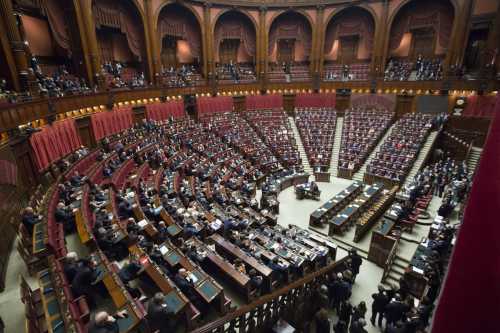
In a rare display of bipartisan cooperation, the U.S. House of Representatives has passed the Federal Program Integrity and Fraud Prevention Act of 2026 (H.R. 6916), a sweeping legislative package designed to crack down on individuals who defraud the federal government. The bill, which passed on June 8, 2026, introduces stringent penalties for federal contractors and grant recipients convicted of fraud, effectively barring them from receiving taxpayer funds for at least three years.
Closing the Loophole for Repeat Offenders
The legislation was introduced in response to a startling report by the Council of the Inspectors General on Integrity and Efficiency (CIGIE), which revealed that over 95% of individuals convicted of felony fraud involving pandemic-related federal funds were never suspended or debarred from doing business with the government. "It is unconscionable that someone can steal from the American people and then turn around and apply for another federal contract," said Representative Gill of Texas, a leading sponsor of the bill. "This legislation closes that glaring loophole and ensures that fraudsters are held accountable."
Under the new law, any individual convicted of a covered federal felony—ranging from wire fraud and money laundering to false claims and embezzlement—will be automatically added to the General Services Administration's System for Award Management (SAM) Exclusions list. This mandatory debarment applies not only to the convicted individual but also to any entity they beneficially own or control. The bill includes a waiver provision for agency heads, but only if they provide a written justification to Congress, ensuring a high level of transparency and oversight.
Legislative Update on Social Media
Protecting Taxpayer Dollars
The bill's proponents argue that it is a necessary step to restore public trust in government spending. "The American people expect their hard-earned tax dollars to be used responsibly," stated Representative Randall during the floor debate. "They should never have to worry that individuals convicted of defrauding the Federal Government can turn around and receive additional Federal contracts, grants, or loans." The legislation does not create new crimes or expand federal spending; rather, it streamlines the existing debarment process and ensures consistent enforcement across all federal agencies. With bipartisan support and passage in the House, the bill now moves to the Senate, where it is expected to face a favorable vote before being sent to the President's desk. Read the full text of H.R. 6916 here.
Related Articles
The Institutional Fault Line: How Judicial Overreach and Trade Wars Are Reshaping U.S. Markets
Aug 23, 2026
The Fractured Consensus: How Trade Volatility and Institutional Strain Are Rewiring U.S. Macroeconomics
Aug 22, 2026
Comments (0)
No comments yet. Be the first to share your thoughts!
Want to join the discussion?
Please log in to post a comment.
Login NoworCreate an Account