
Imran Khan Dissolves PTI Political Committee in Major Internal Party Shake-up

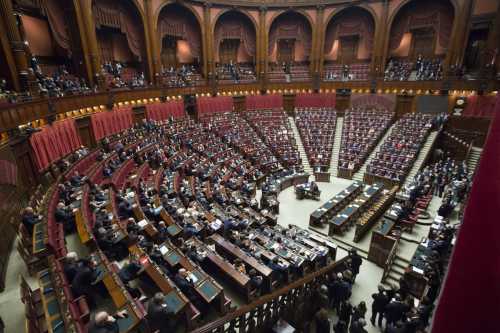
Understanding the Basics: What is a Political Committee?
Imagine a massive ship sailing across the ocean. The Captain is the leader, but he cannot steer the ship, fix the engines, and cook the food all by himself. He needs a team of expert officers—the navigator, the chief engineer, the first mate—to help him make decisions. This team is the "Political Committee." In a political party, the Chairman is the Captain, and the Political Committee is the brain trust. They are the senior-most leaders who meet regularly to discuss strategy, decide on alliances, pick candidates for elections, and respond to national crises. When a party is healthy, the Captain and his officers work together, debating ideas and reaching a consensus. But when the Captain decides to fire the entire officer crew and take the wheel completely by himself, it signals a massive crisis of trust. It means the Captain believes his officers are either incompetent, disloyal, or plotting against him. Dissolving a political committee is a drastic, authoritarian move that centralizes all power into the hands of one person.
The Big News: Imran Khan Shakes Up PTI Leadership Structure
In a stunning internal shake-up that has left the ranks of the Pakistan Tehreek-e-Insaf (PTI) bewildered and scrambling, party Chairman Imran Khan has officially dissolved the PTI Political Committee x.com . The announcement, made via a written statement released from his place of detention, effectively removes the party's top-tier decision-making body, stripping senior vice presidents and senior leaders of their collective constitutional authority. According to the statement, the party's Secretary General will now directly implement the Chairman's orders, bypassing the traditional consultative process entirely. This move comes at a critical juncture for the party, which has been facing immense external pressure, legal bans, and internal factionalism. By dissolving the committee, Khan has sent a clear message: there is zero tolerance for dissent or independent decision-making within the party ranks. The leadership is now expected to function solely as an transmission belt for his directives, marking a significant shift from a collective leadership model to a strictly centralized, top-down command structure.
Official News Source Reference
"I hereby dissolve the PTI Political Committee. The party's Secretary General will now oversee all organizational matters and implement directives directly."
The Deep Dive: The Prison Factor and the Fear of Factionalism
Why would a leader dissolve his own brain trust? The answer lies in the unique and difficult circumstances of Imran Khan's imprisonment. When a leader is in the same room as his committee, he can read body language, have heated arguments, and build consensus. When a leader is locked in a cell, communicating only through smuggled notes or brief legal visits, he becomes paranoid. He cannot see what his senior leaders are doing in the "free world." Are they meeting with the establishment behind his back? Are they compromising on his red lines to secure their own election tickets? Are they forming factions to replace him? History shows that when a charismatic leader is imprisoned, their party often fractures into rival groups vying for control. By dissolving the Political Committee, Khan is preemptively neutralizing any potential usurpers. He is ensuring that no single senior leader can claim the mantle of "decision-maker." It is a survival tactic designed to maintain absolute loyalty and prevent the party from being hijacked by opportunists who might want to strike a deal with the ruling government. However, this comes at the cost of institutional growth; a party cannot run on the whims of one man forever.
Impact and Future Outlook: Centralization, Morale, and the 2026 Elections
The immediate impact of this decision is confusion and a drop in morale among the middle-rung leadership. Without the Political Committee to guide them on local alliances and candidate selections, provincial and district leaders are left in a vacuum. This could lead to a chaotic election preparation process, with multiple claimants demanding tickets from the central leadership. On the positive side, it eliminates the public display of internal disunity that has plagued the PTI in recent months. The message to the voter is clear: the Chairman is in total control. But the long-term risk is severe. If the party lacks a collective leadership, it becomes overly dependent on one individual. If Khan's legal situation worsens, or if he is unable to communicate effectively, the party could face a catastrophic leadership crisis with no clear mechanism for succession. As Pakistan moves towards the next electoral cycle, the PTI's ability to mobilize its massive voter base will depend on how well this new, centralized command structure can translate the Chairman's vision into actionable, grassroots political reality without the buffer of a senior committee.
Related Articles
The Macroeconomic Inflection Point: Navigating Sovereign Debt, Labor Recalibration, and Trade Fragmentation
Aug 22, 2026
The Macroeconomic Reckoning: Navigating the Convergence of Debt, Trade, and Technological Shifts
Aug 22, 2026
Comments (0)
No comments yet. Be the first to share your thoughts!
Want to join the discussion?
Please log in to post a comment.
Login NoworCreate an Account