
Israel-Lebanon Conflict Escalates: Iranian Missiles Strike After Beirut Attacks

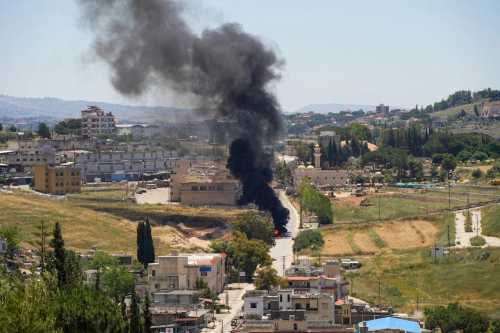
BEIRUT — The Middle East teetered on the brink of wider war in June 2026 as Israel's continued strikes on Lebanon triggered Iranian missile attacks, transforming a regional conflict into an international crisis.
Despite a U.S.-brokered ceasefire agreement reached in early June, Israeli forces have intensified operations in southern Lebanon and Beirut's southern suburbs. The escalation prompted Iran to launch ballistic missiles at Israeli military targets, marking a dangerous new phase in the conflict.
Civilian Casualties Mount
On June 5 alone, at least 12 people were killed in Israeli airstrikes across multiple Lebanese towns. The strikes hit residential areas in Habboush, Doueir, Qalawiya Tower, and Kfar Reman, with additional casualties reported in Zebdin and the Nabatieh region. Among the dead were a doctor, a paramedic, and Syrian teenagers, according to Lebanese state media.
The Israeli military also issued forced displacement orders covering nine towns and villages, forcing thousands of civilians to flee their homes. The pattern of strikes continued through June 6, with daily death tolls reaching 32 and 35 people on consecutive days.
Beirut Suburbs Under Fire
On June 7, in a move that violated the terms of the ceasefire agreement, the Israeli Defense Forces struck Beirut's southern suburbs—known as Dahiye—despite previous agreements not to target the area. Lebanese state media reported that the strikes killed two people and wounded 11 others, hitting neighborhoods where Hezbollah members and their families reside.
The same day, Iranian officials declared that American bases and Israeli assets throughout the Middle East had become legitimate targets, citing both the U.S. naval blockade against Iran and the Israeli strikes on Beirut. Within hours, Iran launched ballistic missiles toward Israel, claiming to have targeted Ramat David Airbase.
Israel Retaliates Against Iran
Israel reported intercepting all Iranian missiles, though the accuracy of this claim could not be independently verified. In response, the Israeli military announced strikes against military sites in central and western Iran on June 8, with explosions reported in Tehran, Isfahan, and Tabriz. At least one oil and gas facility was among the targets hit.
The direct exchange of fire between Israel and Iran marked a significant escalation, transforming what had been a proxy conflict fought through Hezbollah into a direct confrontation between the two nations. Yemen's Houthi rebels also joined the fray, launching attacks in support of Iran.
Trump Steps In
President Trump intervened to prevent further escalation, requesting that Israel halt its strikes against Iran. Both sides eventually ceased military actions, though the underlying tensions remain unresolved. The incident highlighted the fragility of the ceasefire framework and the potential for rapid escalation in the region.
Hezbollah Rejects Deal
Adding to the complexity, Hezbollah leader Naim Qassem has rejected the U.S.-brokered ceasefire agreement, dubbing it a "surrender and defeat." The Iran-backed militant group has continued launching attacks against Israeli military positions in southern Lebanon, including strikes near Beaufort Castle and the border town of Naqoura.
Hezbollah has also demonstrated advanced capabilities, using surface-to-air missiles to target Israeli drones over the western Bekaa region and Zahrani area. The group insists on a full Israeli withdrawal from Lebanon as a precondition for any lasting ceasefire.
The Danger Ahead: With Iranian missiles now part of the conflict and Israeli forces continuing ground operations in Lebanon, the situation remains extremely volatile. The U.S.-brokered framework hangs by a thread, and any miscalculation could trigger a full-scale regional war involving multiple nations.



Comments (0)
No comments yet. Be the first to share your thoughts!
Want to join the discussion?
Please log in to post a comment.
Login NoworCreate an Account