
Israel-Lebanon Crisis June 2026: Netanyahu Defies US-Iran Deal with Continued Bombing as Iran Warns of Agreement Violation

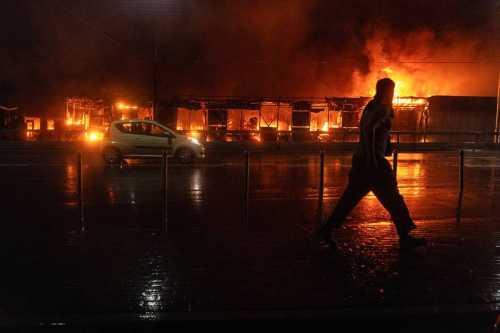
Israel continues military operations in Lebanon despite the June 19, 2026, formal signing of the US-Iran peace deal, creating a dangerous crisis that threatens to unravel the historic agreement before it can take full effect www.zinio.com . Iranian officials have issued stark warnings that Israeli actions constitute violations of the memorandum, setting the stage for a potential regional conflagration.
Netanyahu's Defiance
Israeli Prime Minister Benjamin Netanyahu has made clear his refusal to abide by the US-Iran agreement's provisions regarding Lebanon. In his first public remarks since President Trump announced the deal, Netanyahu pledged not to withdraw Israeli forces from southern Lebanon, directly contradicting the memorandum's requirements www.zinio.com .
"For decades, I've been fighting Iran's efforts to acquire nuclear weapons. I can define this as my life's mission," Netanyahu declared. "I have upheld it until now, and I will uphold it in the future, as well" www.zinio.com . This statement signals Israel's determination to pursue its security objectives regardless of US diplomatic agreements with Iran.
Netanyahu's position reflects deep Israeli skepticism about the US-Iran deal's effectiveness in addressing Iran's nuclear program and regional influence. Israeli intelligence assessments reportedly conclude that the agreement leaves Iran's nuclear infrastructure largely intact and provides sanctions relief that could fund Iranian proxy forces.
Continued Bombing Campaign
On June 17, 2026, Israel continued bombing Lebanon, killing at least four people despite President Trump's calls for Prime Minister Netanyahu to be "more responsible" www.zinio.com . Iran has accused Israel of violating the truce in Lebanon 84 times since the US and Iran agreed to the memorandum of understanding www.zinio.com .
The bombing campaign targets what Israel describes as Hezbollah infrastructure in southern Lebanon, but human rights organizations report significant civilian casualties and destruction of residential areas. The strikes have displaced tens of thousands of Lebanese civilians, creating a humanitarian crisis that compounds the region's instability.
Israeli officials argue that military pressure remains necessary to prevent Hezbollah from rearming and to force the group's withdrawal from the border region. They contend that diplomatic agreements alone cannot address the security threat posed by Iran's Lebanese proxy.
Iran's Red Lines
Iranian Foreign Minister Abbas Araghchi has drawn clear red lines regarding Israeli actions. Speaking in Tehran on June 17, he stated: "The end of the war also includes the end of occupation. Without the withdrawal of Israeli forces from the territories they have occupied in the war, a full end to the war has not been achieved" www.zinio.com .
Araghchi's warning was unequivocal: "Any military attack by the Zionist regime on Lebanon from now on, as well as the continued occupation of Lebanese territories from now on, will, in our view, be considered a violation of the memorandum of understanding" www.zinio.com . This statement raises the possibility that Iran could resume military operations if Israel does not cease attacks and withdraw from Lebanon.
The Iranian position creates a direct challenge to the US-Iran agreement's viability. If Iran determines that Israel has fundamentally violated the deal's spirit, Tehran could justify abandoning its commitments regarding nuclear restrictions and regional de-escalation.
Attack on Journalist
The escalating violence claimed a particularly alarming incident on June 17, when an Israeli drone struck Press TV journalist Hadi Hoteit while he reported from southern Lebanon www.zinio.com . Hoteit was on camera documenting the destruction when the attack occurred, providing visceral evidence of the dangers facing media workers covering the conflict.
"I'm in the center of Kafr Tebnit right now," Hoteit reported before the strike. "An artillery strike just targeted the area behind me, as you can see. There is heavy drone activity in the vicinity. And, of course, the destruction, the amount of destruction, is very strong" www.zinio.com . The incident underscores the extreme risks of reporting from the conflict zone and raises questions about whether journalists are being deliberately targeted.
US Diplomatic Dilemma
The Trump administration faces a severe diplomatic dilemma. On one hand, the US-Iran deal represents a major diplomatic achievement that could stabilize the Middle East and secure Trump's legacy. On the other hand, Israel remains America's closest Middle Eastern ally, and pressuring Netanyahu to comply risks a major bilateral crisis.
Vice President JD Vance has attempted to manage the situation by disputing reports about the deal's financial terms while emphasizing that reparations would be paid by Gulf states rather than the United States www.zinio.com . However, this does not address the fundamental tension between US diplomacy with Iran and Israeli security operations in Lebanon.
Administration officials are reportedly engaged in intense behind-the-scenes diplomacy, urging Netanyahu to exercise restraint while simultaneously assuring him of US commitment to Israeli security. Whether this balancing act can succeed remains highly uncertain.
Hezbollah's Role
Hezbollah, the Iranian-backed Lebanese Shia movement, plays a crucial role in the crisis. The group has governed southern Lebanon since Israel's 2000 withdrawal from the region and maintains a substantial arsenal of rockets and missiles capable of striking deep into Israeli territory.
Hezbollah leader Hassan Nasrallah has called for respecting the ceasefire while reserving the right to respond to Israeli aggression. However, the group faces pressure from its Iranian patrons to demonstrate restraint and allow the diplomatic process to unfold, even as it confronts ongoing Israeli attacks.
The situation creates complex dynamics within Lebanon, where the government struggles to assert authority over Hezbollah while managing relations with both Iran and Western powers. Lebanese civilians bear the brunt of the violence, with limited ability to influence the decisions of regional powers.
International Response
The international community has responded with concern to the escalating tensions. The G7 leaders at their Évian Summit expressed support for the US-Iran deal while calling on all parties to exercise restraint www.elysee.fr . However, the statement lacked specific mechanisms to enforce compliance or address Israeli concerns.
United Nations peacekeepers in southern Lebanon (UNIFIL) have called for all parties to respect the Blue Line boundary and avoid actions that could escalate the situation. However, UNIFIL's limited mandate and resources constrain its ability to prevent violations or protect civilians.
Arab states and European powers have urged both Israel and Iran to uphold the agreement, recognizing that renewed conflict would devastate the region's already fragile stability and economic prospects.
Potential Scenarios
Several scenarios could unfold in the coming weeks:
Scenario 1: De-escalation Israel reduces military operations in Lebanon, allowing the US-Iran deal to consolidate. This requires Netanyahu to accept diplomatic outcomes he opposes, potentially triggering a domestic political crisis.
Scenario 2: Controlled Tensions Israel continues limited strikes while Iran exercises restraint to preserve the agreement. This unstable equilibrium could persist for weeks or months but remains vulnerable to miscalculation or escalation.
Scenario 3: Agreement Collapse Israeli operations intensify, prompting Iran to declare the deal violated and resume military activities. This could trigger a broader regional war involving multiple actors and devastating consequences.
The Stakes
The stakes could not be higher. The US-Iran peace deal offers the best opportunity in decades to reduce Middle East tensions, stabilize energy markets, and address Iran's nuclear program diplomatically www.cgtn.com . However, Israel's refusal to accept the agreement's Lebanon provisions threatens to unravel these gains before they materialize.
As of June 19, 2026, the world watches whether diplomatic wisdom will prevail over military imperatives, or whether the Middle East will descend into another devastating conflict that makes the region's already severe challenges appear manageable by comparison.
Related Articles

The Architecture of Fragmentation: Navigating the Multipolar Shift in Global Governance
Aug 22, 2026
The Friction Premium: How Geopolitical Realignment is Rewiring Global Capital and Trade in 2026
Aug 22, 2026
Comments (0)
No comments yet. Be the first to share your thoughts!
Want to join the discussion?
Please log in to post a comment.
Login NoworCreate an Account