
Mayo Clinic Researchers Achieve Major Medical Breakthroughs with 3D Mini-Organs and Hypothesis-Driven AI

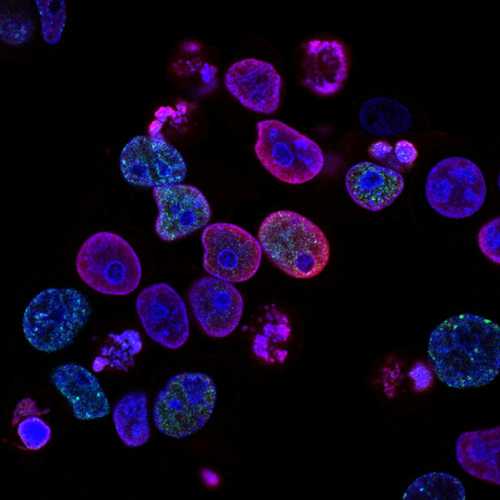
In a seminal year for biomedical science, Mayo Clinic researchers have promulgated a series of transformative medical advances. These unprecedented breakthroughs span from growing three-dimensional mini-organs to developing novel hypothesis-driven artificial intelligence, fundamentally transmuting the landscape of modern medicine.
The epicenter of the Scientific Breakthrough
Mayo Clinic investigators are successfully growing three-dimensional human intestines in a dish to track disease and find new cures for complex conditions such as inflammatory bowel disease newsnetwork.mayoclinic.org . These 3D mini-intestines, known as "organoids," function like human intestines, possessing the ability to process metabolites that convert food into energy on a cellular level and secrete protective mucus newsnetwork.mayoclinic.org . This provides a unique platform for studying the intricacies of the human gut outside the body.
"We think this has the potential to revolutionize the way we approach disease research," says Charles Howe, Ph.D., who leads the Translational Neuroimmunology Lab. "Understanding which treatments show potential for success in human organoids could dramatically accelerate the rate of new therapies for patients with unmet needs" newsnetwork.mayoclinic.org .
TechnologicalAdvancements
In parallel, Mayo Clinic researchers have invented a new class of artificial intelligence algorithms called hypothesis-driven AI, marking a significant departure from traditional models that learn solely from data patterns newsnetwork.mayoclinic.org . This emerging class of AI offers an innovative way to use massive datasets to help discover the complex causes of diseases, such as cancer, and improve targeted treatment strategies newsnetwork.mayoclinic.org .
ClinicalRamifications
Beyond organoids and AI, the institution has made strides in understanding environmental health risks and neurological decline. A landmark study linked microplastics and nanoplastics found in plaques of human blood vessels to a potential increased risk of heart attack, stroke, or death newsnetwork.mayoclinic.org . Additionally, researchers developed a new corticolimbic index tool for Alzheimer's disease that categorizes cases into subtypes based on brain changes, helping pinpoint biomarkers that may affect future patient care newsnetwork.mayoclinic.org .
FutureIntegration
Looking toward the horizon, Mayo Clinic is even exploring stem cell therapy in space. Researchers have found that stem cells grown in microgravity aboard the International Space Station exhibit unique qualities that could strengthen their regenerative potential, uncovering cell mechanisms that would otherwise remain undetected on Earth newsnetwork.mayoclinic.org . These collective advances underscore a new era of individualized, data-driven, and boundary-pushing medical research.
Official Medical Research Communication
For the complete scientific framework and detailed methodology, please refer to the original publication: Mayo Clinic News Network: 10 Mayo Clinic research advances spanning stem cell therapy in space to growing mini-organs.
Related Articles
The Biopharma Bottleneck: How Supply Chains and Regulatory Reality Are Restraining Medical Innovation
Aug 22, 2026
The Structural Faultlines of Modern Medicine: Navigating the Convergence of Capital, Compute, and Geopolitics
Aug 22, 2026
Comments (0)
No comments yet. Be the first to share your thoughts!
Want to join the discussion?
Please log in to post a comment.
Login NoworCreate an Account