
Mayo Clinic Tapestry Study Generates Largest-Ever Exome Database for Personalized Medicine

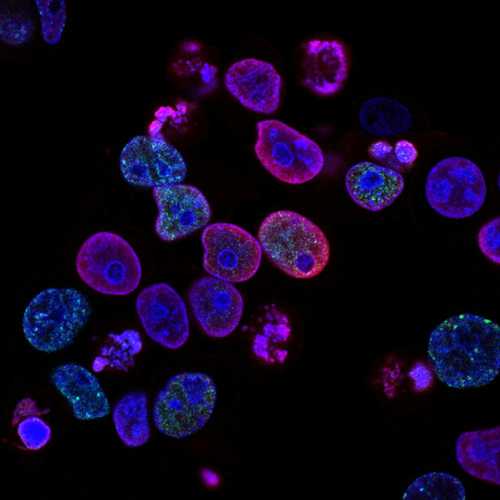
In a seminal medical development that fundamentally transmutes the landscape of genomic research, the Mayo Clinic's Center for Individualized Medicine has promulgated the results of its landmark Tapestry study. This unprecedentedmilestone has generated the institution's largest-ever collection of exome data, proffering a substantialacceleration in personalized and proactive medical guidance.
The epicenter of the innovation
Led by Konstantinos Lazaridis, M.D., the comprehensive study analyzed DNA from over 100,000 participants from diverse backgrounds. The research specifically focused on pathogenic and likely pathogenic genetic variants linked to three critical conditions: hereditary breast and ovarian cancer syndrome, Lynch syndrome, and familial hypercholesterolemia. Findings revealed that 1.9% of participants—nearly 2,000 individuals—carried at least one genetic variant that could significantly increase their risk for these diseases.
"The implications of the Tapestry study are monumental," Dr. Lazaridis articulated. "As this study continues to inform and transform the practice of personalized medicine, it also sets a new standard for how large-scale medical research can be conducted in an increasingly digital and decentralized world."
ClinicalRamifications
Notably, approximately 65% of those with a detected variant had no known prior personal or family history of the conditions. For many participants, this information proved life-changing, prompting proactive health measures such as early screenings or preventive surgeries. In several documented cases, this led to early cancer detection or significantly reduced the risk of heart disease.
FutureIntegration
Beyond its direct impact on patient care, the Tapestry study's most significant outcome is the creation of a comprehensive genetic data repository. This extensive database has become an invaluable resource for the scientific community, with 118 research requests already submitted, resulting in the distribution of over 1.1 million exome datasets to interested investigators worldwide.
Official Medical Research Communication
For the complete scientific framework and detailed methodology, please refer to the original publication: ScienceDaily: Largest-ever exome study offers blueprint for biomedical research.
Related Articles

The Biopharma Bottleneck: How Supply Chains and Regulatory Reality Are Restraining Medical Innovation
Aug 22, 2026
The Structural Faultlines of Modern Medicine: Navigating the Convergence of Capital, Compute, and Geopolitics
Aug 22, 2026
Comments (0)
No comments yet. Be the first to share your thoughts!
Want to join the discussion?
Please log in to post a comment.
Login NoworCreate an Account