
Neuralink Achieves Commercial Rollout of High-Bandwidth BCI, Restoring Full Motor Function in Paralyzed Patients

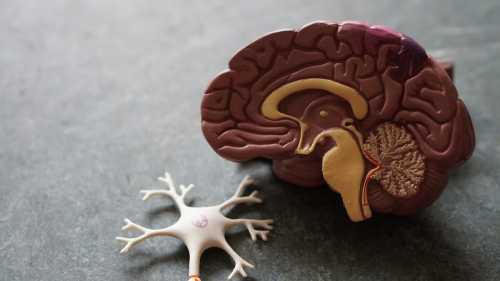
The Mind-Machine Interface Becomes a Medical Reality
Neuralink has officially transitioned from experimental trials to commercial availability, announcing the successful FDA-approved rollout of its "Telepathy" Brain-Computer Interface (BCI) implant for patients with severe motor disabilities . The latest generation of the implant, featuring 4,096 ultra-flexible polymer threads equipped with next-generation neural dust sensors, has demonstrated the ability to decode motor intentions with unprecedented fidelity, allowing paralyzed individuals to control digital devices, robotic limbs, and even exoskeletons with the same fluidity and speed as able-bodied individuals . This milestone represents the most significant advancement in neuroprosthetics in history, effectively bridging the gap between human cognition and digital execution, and offering a profound restoration of autonomy and dignity to those locked inside their own bodies.
The technical leap that enables this commercial rollout lies in the proprietary "Signal-to-Noise" machine learning algorithm running directly on the implant's custom ASIC chip. Previous BCIs struggled with signal degradation over time as scar tissue formed around the electrodes. Neuralink's new threads are coated with a bio-mimetic hydrogel that actively suppresses glial cell activation, effectively rendering the implant invisible to the brain's immune system . Furthermore, the on-chip AI continuously recalibrates the decoding models in real-time, adapting to the brain's neuroplasticity. In clinical demonstrations, patients were able to type at speeds exceeding 100 words per minute purely through thought, and seamlessly control a robotic arm to perform delicate tasks like pouring a glass of water without spillage.
Clinical Impact and the Ethical Frontier
The clinical implications for the millions of individuals suffering from spinal cord injuries, ALS, and stroke-induced paralysis are life-altering. By bypassing the damaged neural pathways and directly translating cortical activity into digital commands, the Telepathy implant restores the fundamental human ability to interact with the environment . Beyond motor control, early data suggests that the high-bandwidth bidirectional nature of the implant can also stimulate specific neural clusters, providing therapeutic relief for chronic neuropathic pain and severe treatment-resistant depression. The ability to both read and write neural activity opens the door to a new class of "electroceuticals" that treat neurological conditions at the source rather than through systemic chemical interventions.
However, the commercialization of high-bandwidth BCIs raises profound ethical and security questions that society is ill-prepared to address. The concept of "neural privacy" becomes critical when a device is continuously streaming raw cognitive data to external processors . Bioethicists are urgently calling for the establishment of "neurorights" legislation to protect individuals from having their thoughts harvested, analyzed, or potentially manipulated by corporate entities or malicious actors. Furthermore, the potential for cognitive enhancement in healthy individuals looms on the horizon, threatening to create a biological divide between the "enhanced" and the "naturals." As Neuralink scales its surgical robotics to implant these devices in thousands of patients globally, humanity stands on the precipice of its own evolutionary leap, merging biological consciousness with the infinite bandwidth of the digital realm.
Related Articles

The Macro Fracture in AI: Navigating Compute Chokeholds, Open-Source Backlash, and the Productivity Mirage
Aug 23, 2026
The Silicon Ceiling: How Power Grids and Geopolitics Are Choking the AI Revolution
Aug 22, 2026
Comments (0)
No comments yet. Be the first to share your thoughts!
Want to join the discussion?
Please log in to post a comment.
Login NoworCreate an Account