
Next-Generation CAR-T Cell Therapies Break Into Solid Tumors with KIR-CAR and Armored Cells

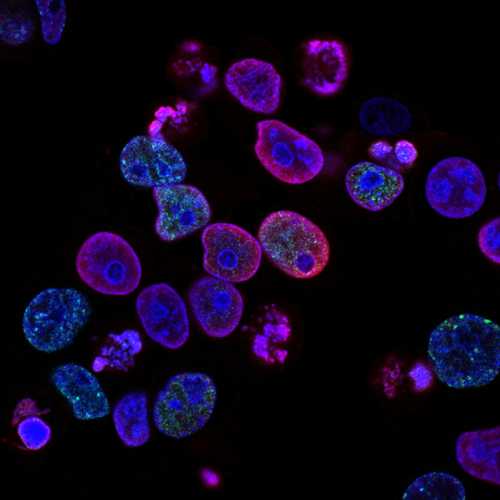
Conquering the Final Frontier of Immunotherapy
Chimeric Antigen Receptor (CAR) T cell therapy has revolutionized the treatment of hematologic malignancies, but its efficacy in solid tumors has remained elusive due to the immunosuppressive tumor microenvironment (TME) and antigen heterogeneity www.sciencedirect.com . However, 2026 marks a turning point as next-generation CAR-T platforms, including the innovative KIR-CAR therapy presented at AACR 2026, demonstrate unprecedented safety and efficacy in multiple solid cancers ecancer.org . By engineering T cells to not only target tumor antigens but also to secrete inflammatory cytokines or express checkpoint inhibitors, researchers are creating "armored" CAR-T cells capable of penetrating the dense stromal fortress of solid tumors and resisting exhaustion. These advancements are expanding the reach of cellular therapy from blood cancers to glioblastoma, pancreatic, and lung carcinomas www.linkedin.com .
ELI5: Why is CAR-T Therapy Struggling with Solid Tumors?
Imagine CAR-T cells are highly trained special forces soldiers. In blood cancers like leukemia, the enemy is floating in the bloodstream, so the soldiers can easily find and attack them. But solid tumors are like an enemy fortress. The fortress has thick, physical walls (the stroma) that the soldiers can't get through. Inside the fortress, the enemy releases a toxic gas that puts the soldiers to sleep (the immunosuppressive TME). Furthermore, the soldiers in the fortress are wearing disguises, making it hard for the special forces to know who to shoot. Next-generation CAR-T therapies are like upgrading the soldiers with gas masks, bulldozers to break down the walls, and special goggles that can see through the disguises, allowing them to conquer the solid tumor fortress.
The KIR-CAR Platform and Overcoming TME Suppression
The KIR-CAR therapy represents a novel approach to modulating the immune synapse. Killer-cell Immunoglobulin-like Receptors (KIRs) are typically inhibitory receptors on Natural Killer (NK) cells and T cells. By engineering CAR-T cells with modified KIR domains, researchers can fine-tune the activation threshold of the cells, preventing off-target toxicity while maintaining potent anti-tumor activity in the harsh TME ecancer.org . More broadly, "armored" CAR-T cells are being designed to secrete IL-12 or express a PD-L1 blocker as a fusion protein medicalxpress.com . IL-12 recruits the body's native immune cells to the tumor site, turning a "cold" tumor "hot." The PD-L1 blocker acts as a local shield, neutralizing the tumor's attempt to deactivate the CAR-T cell. This dual-action mechanism ensures that the engineered T cells remain functional and proliferative long enough to eradicate the solid mass.
Locoregional Delivery and Universal Off-the-Shelf Allogeneic CAR-T
Beyond genetic engineering, the method of delivery is critical for solid tumors. Intravenous infusion often results in CAR-T cells getting trapped in the lungs or liver, never reaching the primary tumor site. In 2026, locoregional delivery methods—such as direct intracranial injection for glioblastoma or intrapleural infusion for mesothelioma—are showing remarkable success by bypassing systemic toxicity and delivering a massive dose of effector cells directly to the tumor bed www.linkedin.com . Concurrently, the industry is shifting toward allogeneic, "off-the-shelf" CAR-T products derived from healthy donors. By using CRISPR to knock out the T cell receptor (TCR) and HLA molecules, these universal CAR-T cells avoid Graft-versus-Host Disease (GvHD) while providing a consistent, scalable product that can be administered immediately, eliminating the weeks-long manufacturing wait time for autologous therapies www.mdpi.com .
Related Articles

The Hardware Inflection Point: Navigating Supply Chain Fragility and Regulatory Shifts in Consumer Electronics
Aug 22, 2026
The Structural Recalibration of Consumer Electronics: Navigating Supply, Regulation, and Adoption Faultlines
Aug 22, 2026
Comments (0)
No comments yet. Be the first to share your thoughts!
Want to join the discussion?
Please log in to post a comment.
Login NoworCreate an Account