
Pakistan Achieves Historic Milestone: WHO Pre-Validates Neonatal Tetanus Elimination in Khyber Pakhtunkhwa, Protecting 250 Million People

June 19, 2026 | Peshawar/Islamabad, Pakistan
Historic Health Achievement
Around 94% of Pakistan's population now lives in areas where neonatal tetanus is under controlled limits
In a groundbreaking achievement that brings hope to millions of mothers and newborns across Pakistan, the World Health Organization (WHO), working in partnership with UNICEF, has officially pre-validated the elimination of maternal and neonatal tetanus (MNT) in Khyber Pakhtunkhwa province on June 19, 2026. This remarkable milestone means that approximately 250 million people—representing 94% of Pakistan's total population—now live in regions where this life-threatening disease has been brought under control, with less than 1 case per 1,000 live births.
What Is Neonatal Tetanus?
Neonatal tetanus is a preventable disease that affects newborns and mothers during childbirth. It occurs when bacteria enter the body through unsterile delivery practices or improper umbilical cord care. Before this achievement, it claimed countless lives across Pakistan, particularly in remote and underserved communities where access to healthcare was limited.
The Heroes Behind This Success
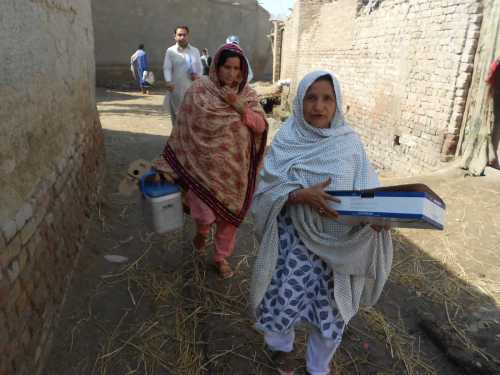
This extraordinary achievement didn't happen by accident. It's the result of years of dedicated work by thousands of healthcare workers who refused to give up, even in the most challenging circumstances. At the heart of this effort were approximately 12,000 Lady Health Workers—brave women who walked mile after mile through remote villages, mountainous regions, and hard-to-reach areas to ensure every pregnant woman received the care she needed.
These Lady Health Workers, along with thousands of vaccinators and frontline health staff, formed the backbone of a comprehensive strategy that included:
- Improved immunization programs for pregnant women and women of childbearing age
- Enhanced disease surveillance to quickly identify and respond to any cases
- Community engagement to educate families about safe practices
- Safer delivery practices and improved skilled birth attendance
- Better cord care for newborns
- Enhanced access to antenatal, maternal, newborn, and child health services
By The Numbers
- 5.4 million pregnant women and women of childbearing age vaccinated across Pakistan in 2025 alone
- 870,000+ women vaccinated in Khyber Pakhtunkhwa specifically
- 94% of Pakistan's population now protected
- 12,000 Lady Health Workers at the forefront of this effort
What Leaders Are Saying
Dr. Luo Dapeng, WHO Representative in Pakistan, emphasized the significance of this achievement: "This achievement shows the commitment of Pakistan's authorities and its health workforce, as well as the communities, to saving lives and protecting every mother and child from a preventable disease. To achieve prosperity and sustainable development, every country needs healthy mothers and newborns. WHO will stand by Pakistan and its partners to achieve the elimination of neonatal tetanus across the country and protect every family, no matter where they live or who they are."
Why This Matters
This pre-validation is more than just a statistic—it represents thousands of lives saved, thousands of families kept whole, and a brighter future for Pakistan. When mothers and newborns are healthy, communities thrive, economies grow, and nations prosper. This achievement demonstrates that with political will, adequate resources, and dedicated healthcare workers, even the most challenging health problems can be solved.
The Road Ahead
While this is a moment for celebration, the work isn't finished yet. Pakistan remains committed to eliminating neonatal tetanus across all provinces and territories. The success in Khyber Pakhtunkhwa provides a blueprint for other regions to follow, proving that elimination is possible even in the most challenging environments.
The partnership between the national and provincial governments, WHO, UNICEF, and local communities will continue to strengthen immunization systems, expand access to quality healthcare services, and ensure that every mother and child—regardless of where they live or their economic status—has the opportunity to live a healthy life.
A Model for the World
Pakistan's success in eliminating neonatal tetanus serves as an inspiration for other countries facing similar challenges, demonstrating that with determination, collaboration, and sustained effort, even the most ambitious health goals can be achieved.
Related Articles

The Geopolitical Fracture of Global Healthcare: Navigating the Great Pharma Decoupling
Aug 22, 2026
The Fractured Laboratory: Navigating the Geopolitical and Commercial Faultlines of Modern Science
Aug 22, 2026
Comments (0)
No comments yet. Be the first to share your thoughts!
Want to join the discussion?
Please log in to post a comment.
Login NoworCreate an Account