
Pakistan Unveils Game-Changing Mobile Manufacturing Policy to Ban Used Phones and Boost Local Production by 50%

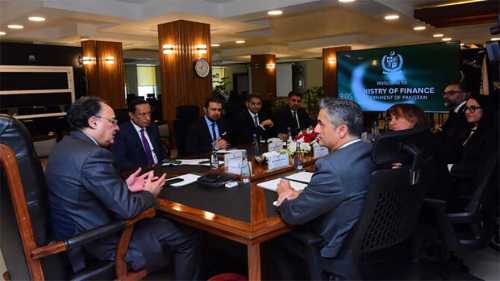
ISLAMABAD — In a bold move that promises to reshape Pakistan's technology landscape, the federal government has finalized the Mobile and Electronics Manufacturing Policy 2026–30, a comprehensive roadmap designed to transform the country from a mobile phone assembler into a full-fledged manufacturing hub.
Key Highlights:
- 50% local component manufacturing target within 5-8 years
- $700 million export goal for mobile and electronic devices
- Training of 50,000 skilled workers
- Complete ban on used mobile phone imports
- 30% local components required for laptops and tablets
A Policy Built on Ambition
The Ministry of Industries and Production has crafted this policy after extensive consultations with stakeholders, aiming to capitalize on Pakistan's current achievement of 94% local assembly in mobile phones. According to official documents, the policy envisions producing up to half of all mobile phone components domestically over the next five to eight years, a dramatic increase from current levels.
Officials from the Ministry emphasized that expanding local manufacturing will serve multiple purposes: attracting foreign investment, strengthening the national economy, and supporting the government's broader economic objectives. The initiative is projected to generate Rs148 billion in levies during the policy period, providing much-needed revenue to the national exchequer.
The Used Phone Import Ban
One of the most controversial yet significant aspects of the new policy is the planned complete prohibition of used mobile phone imports. This measure, long demanded by local manufacturers, aims to protect domestic industry from cheap second-hand devices that flood the market and undermine new phone sales.
The policy recognizes that while used phones provide affordable options for low-income consumers, they ultimately stifle the growth of local manufacturing capabilities. By eliminating this competition, the government hopes to create a more favorable environment for both local and international brands to establish production facilities within Pakistan.
Workforce Development at the Core
Understanding that manufacturing excellence requires skilled labor, the policy allocates significant resources to training an additional 50,000 workers specifically for mobile and electronics manufacturing. This workforce development program addresses one of the sector's most pressing challenges: the shortage of technically skilled personnel capable of operating sophisticated manufacturing equipment.
The training initiative will partner with technical institutes, industry leaders, and international organizations to ensure that Pakistani workers meet global manufacturing standards. This investment in human capital is expected to create thousands of high-quality jobs and provide career pathways for young Pakistanis entering the workforce.
Beyond Mobile Phones: Laptops and Tablets
The policy's scope extends well beyond smartphones. It mandates that laptops, tablets, and point-of-sale devices produced in Pakistan must incorporate at least 30% locally sourced components. This requirement is expected to reduce production costs by up to 5%, making Pakistani-manufactured electronics more competitive in both domestic and international markets.
By diversifying into multiple product categories, Pakistan aims to build a comprehensive electronics ecosystem rather than remaining dependent on a single product line. This diversification strategy mirrors successful models from countries like Vietnam and Bangladesh, which have transformed themselves into regional manufacturing powerhouses.
Export Ambitions: Targeting $700 Million
Perhaps the most ambitious target is the policy's goal of achieving $700 million in exports of mobile and electronic devices, with officials estimating the sector's total potential at $2 billion. This export-oriented approach represents a shift from viewing manufacturing solely as import substitution to positioning Pakistan as a competitive player in global electronics supply chains.
To achieve these targets, the policy includes incentives for international brands to establish manufacturing facilities in Pakistan, offers tax breaks for exporters, and streamlines regulatory procedures to reduce bureaucratic hurdles. The government also plans to negotiate trade agreements that would give Pakistani-manufactured electronics preferential access to key markets.
Component Manufacturing: The Missing Link
Special emphasis is placed on developing local manufacturing of key components including motherboards, PCBs (printed circuit boards), and electronic parts. Currently, Pakistan imports most of these components even for phones assembled locally, limiting the value addition and economic benefits of domestic production.
The policy includes specific incentives for companies willing to invest in component manufacturing, recognizing that true self-reliance requires control over the entire supply chain rather than just final assembly operations. This vertical integration strategy is essential for reducing import dependence and building a resilient electronics industry.
Industry Response and Implementation Timeline
Industry stakeholders have generally welcomed the policy, though some express concerns about the aggressive timelines and the challenges of rapidly scaling up component manufacturing. The Pakistan Mobile Phone Manufacturers Association has praised the used phone import ban as a "game-changer" that will level the playing field for legitimate manufacturers.
However, consumer advocacy groups worry that eliminating used phone imports could make mobile technology less accessible to low-income populations who depend on affordable second-hand devices. The government has acknowledged these concerns and indicated that it may implement the ban gradually to allow the market to adjust.
Implementation Strategy
The Ministry of Industries and Production has stated that the policy will be implemented in consultation with all relevant stakeholders, including provincial governments, industry associations, and international partners. A phased implementation approach will allow for course corrections based on real-world feedback and market conditions.
Regular monitoring mechanisms will track progress against the policy's targets, with quarterly reviews to assess localization rates, export performance, and employment generation. The government has committed to maintaining policy consistency across political cycles, recognizing that manufacturing investments require long-term stability to flourish.
Regional Context and Competition
Pakistan's policy comes at a time when regional competitors are also ramping up their electronics manufacturing capabilities. India's Production-Linked Incentive (PLI) scheme has attracted billions in investment from companies like Apple, Samsung, and Foxconn. Bangladesh and Vietnam have similarly positioned themselves as attractive manufacturing destinations with competitive labor costs and favorable trade agreements.
Pakistan's competitive advantages include a large domestic market of over 240 million people, relatively low labor costs, and strategic location providing access to both South Asian and Middle Eastern markets. However, challenges remain, including energy costs, bureaucratic inefficiencies, and the need for improved infrastructure.
Looking Ahead: A Transformative Vision
The Mobile and Electronics Manufacturing Policy 2026–30 represents more than just an industrial policy—it embodies Pakistan's aspiration to transition from a consumption-based economy to a production-oriented one. Success in this endeavor could create a blueprint for manufacturing-led growth in other sectors, from textiles to automobiles.
As the policy moves from paper to practice, all eyes will be on its implementation. The coming months will reveal whether Pakistan can overcome historical challenges and realize its manufacturing potential, or whether ambitious targets will remain unfulfilled promises. For millions of Pakistanis hoping for better economic opportunities, the stakes could not be higher.
What This Means for You: If you're planning to buy a mobile phone in Pakistan, expect prices of new devices to become more competitive as local manufacturing scales up. However, the used phone market may shrink significantly, potentially affecting affordability for budget-conscious consumers in the short term.
Related Articles

The Hardware Inflection Point: Navigating Supply Chain Fragility and Regulatory Shifts in Consumer Electronics
Aug 22, 2026
The Structural Recalibration of Consumer Electronics: Navigating Supply, Regulation, and Adoption Faultlines
Aug 22, 2026
Comments (0)
No comments yet. Be the first to share your thoughts!
Want to join the discussion?
Please log in to post a comment.
Login NoworCreate an Account