
Pakistan’s Car Sales Skyrocket by 52% as Auto Industry Roars Back to Life

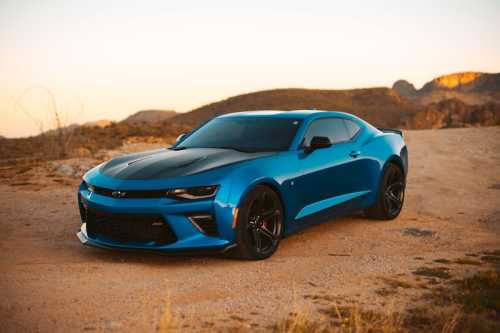
In a massive boost for Pakistan's automotive sector, car sales have surged by an astonishing 52% during the first ten months (July-April) of the current fiscal year 2026. According to data released by the Pakistan Automotive Manufacturers Association (PAMA), a total of 127,042 units were sold, compared to just 83,401 units during the same period last year. The month of April alone saw a mind-boggling 117% jump in sales, with 17,387 vehicles rolling off dealership lots. This remarkable recovery signals a renewed consumer confidence and a revitalization of the local manufacturing industry.
The Auto Boom: A Simple Explanation
Imagine you and your friends love buying bicycles. Last year, you only bought 10 bicycles because they were too expensive and the shops didn't have good ones. This year, the shops have amazing new models, and even though things cost a little more, you and your friends buy 15 bicycles! That is a 50% jump. This is exactly what is happening with cars, jeeps, and trucks in Pakistan. People are buying vehicles at a record pace. The auto industry is like a giant engine for a country's economy; when it runs fast, it creates jobs for mechanics, steel workers, road builders, and insurance agents.
Why Are People Buying So Many Cars?
You might wonder: "If inflation is high and petrol is expensive, how can people afford cars?" Auto sector experts explain that car buyers are largely unaffected by daily fuel price hikes. Generally, people replace their vehicles every three to four years because old cars start breaking down, and the maintenance costs become higher than the fuel savings of a new car. Furthermore, the availability of flexible auto-financing plans from banks has made it easier for the middle class to purchase new vehicles. The surge is also seen in jeeps and pickups (up 39%) and commercial trucks and buses (up 81% and 28% respectively), indicating that businesses are also expanding and buying new fleets.
The Two-Wheeler Revolution and the Tractor Slump
While cars are zooming off the lots, motorcycles and rickshaws are seeing an even bigger volume surge, with sales rising by 32% to over 1.6 million units. Experts note that the lack of affordable and reliable public transport is forcing middle-class families to rely on motorcycles as a cost-effective means of daily commuting. However, not everything in the automotive world is rosy. Sales of farm tractors slid by 7% to 23,116 units. Farmers, who are the backbone of the agricultural sector, have been hit hard by climate change, water shortages, and the conversion of agricultural land into housing societies. Unable to get proper prices for their crops, many small and progressive growers simply cannot afford to upgrade their farming equipment this year.
Official Sources & Social Media
For official monthly sales data and industry reports, please visit the Pakistan Automotive Manufacturers Association:
PAMA Official Sales DataWhat This Means for the Economy
The 52% jump in auto sales is a strong leading indicator of economic health. The automotive sector has a massive multiplier effect; for every job in a car assembly plant, several more are created in parts manufacturing, logistics, and services. This surge suggests that consumers are willing to spend on durable goods, which is a classic sign that the fear of hyperinflation and economic crisis is receding. As the industry gears up for the new fiscal year, manufacturers are hopeful that local assemblers will continue to introduce new models, further driving competition and keeping the economic engine revving.
Related Articles

The Multipolar Fracture: Navigating Defense Realignment, Institutional Arbitrage, and Tactical Instability
Aug 23, 2026
The Architecture of Fragmentation: Navigating the Multipolar Shift in Global Governance
Aug 22, 2026
Comments (0)
No comments yet. Be the first to share your thoughts!
Want to join the discussion?
Please log in to post a comment.
Login NoworCreate an Account