
Pakistan's Foreign Policy Enters a New Phase: Inside the Historic 8th Pakistan-EU Strategic Dialogue

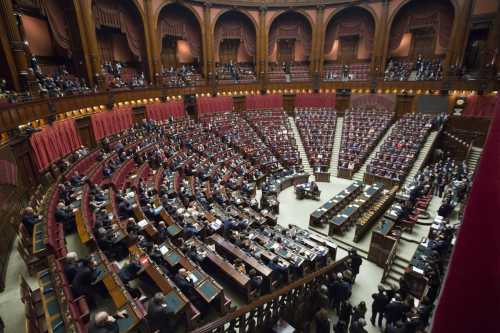
Imagine you are playing in a massive, beautiful playground with hundreds of other children. For a very long time, you only played with the two or three kids who lived right next to your house. You built sandcastles with them and shared your snacks with them. But as you grow older and bigger, you realize something very important: if you want to build the biggest, most amazing treehouse, or if you want to organize the best games of tag, you need to make friends with kids from all over the playground, even those who live on the other side. You start talking to them, sharing your toys, and working together on big projects. This simple idea of making new friends to achieve bigger goals is exactly what countries do, and in the grown-up world, we call it "foreign policy." In 2026, Pakistan is doing exactly this on the global stage, actively reaching out to new partners and redefining how it interacts with the world to secure a brighter, more prosperous future for its citizens.
In the complex and often unpredictable arena of international relations, a nation's foreign policy is its blueprint for survival, growth, and influence. It dictates how a country trades, how it defends its borders, and how it navigates the delicate balance of global alliances. For decades, Pakistan's foreign policy was heavily defined by its immediate geographic neighborhood, focusing intensely on regional security and its historical relationships with immediate neighbors and traditional allies. However, as the global landscape shifts dramatically in 2026, Islamabad has recognized that a purely regional focus is no longer sufficient to secure the nation's economic and strategic future. This realization has birthed what Defence Minister Khawaja Asif recently described as a "new phase" in Pakistan's foreign policy—a decisive pivot from traditional geopolitics to a more expansive, opportunity-driven geo-economics tribune.com.pk .
The 8th Pakistan-EU Strategic Dialogue: A Cornerstone of the New Phase
The most tangible manifestation of this strategic pivot is the deepening and institutionalization of ties with the European Union. The recent co-chairing of the 8th Pakistan-EU Strategic Dialogue in Islamabad by high-ranking officials, including Kaja Kallas, represents a monumental step in this new direction www.mofa.gov.pk . To understand the magnitude of this event, we must look beyond the diplomatic pleasantries and understand the mechanics of a "Strategic Dialogue." Think of it as a highly structured, regular report card and planning session between two very important partners. Unlike casual meetings that happen only when there is a crisis, a strategic dialogue is a committed, scheduled mechanism where both sides sit down to review their entire relationship, identify problems, and create actionable roadmaps for the future. It signifies that the relationship has matured from being transactional—where countries only talk when they need something specific—to being transformational, where both parties are invested in each other's long-term success.
The European Union is not just any partner; it is one of Pakistan's largest trading partners, a critical source of foreign direct investment, and a vital ally in the global fight against climate change. The 8th Strategic Dialogue covered a vast array of critical issues, reflecting the comprehensive nature of this "new phase." The discussions were not limited to just buying and selling goods. They delved deep into political cooperation, counter-terrorism, human rights, and, crucially, climate resilience. For Pakistan, a country disproportionately vulnerable to the devastating impacts of climate change despite contributing minimally to global carbon emissions, securing the EU's commitment to climate finance and green technology transfer is an absolute existential priority. The dialogue resulted in concrete agreements to enhance cooperation on renewable energy, water management, and disaster risk reduction, showcasing how the new foreign policy directly addresses the most pressing domestic challenges.
From Geopolitics to Geo-economics: What Does It Mean?
You might have heard the terms "geopolitics" and "geo-economics" thrown around in the news, but what do they actually mean for a regular family sitting at their dinner table? Geopolitics is like playing a game of chess where the pieces are military bases, borders, and security alliances. The main goal is to not lose the game and to keep your side of the board safe from the other players. For a long time, Pakistan's global interactions were heavily influenced by this chess game, often aligning with powerful blocs for security guarantees. Geo-economics, on the other hand, is like playing a game of Monopoly where the pieces are trade routes, technology transfers, investment hubs, and market access. The goal here is to build wealth, create jobs, and improve the standard of living for everyone living on your properties.
When Defence Minister Khawaja Asif states that Pakistan's foreign policy has entered a new phase, he is signaling a fundamental shift from the chess game to the Monopoly game tribune.com.pk . This does not mean national security is being ignored; rather, it means that economic security is now recognized as the most vital component of national security. A country with a strong, diversified economy, robust foreign exchange reserves, and high-tech industries is inherently more secure than a country that relies solely on military alliances. The new phase demands that every diplomatic engagement, every embassy, and every international visit must have a clear, measurable economic return for Pakistan. It means Pakistani diplomats are now acting as trade ambassadors, actively pitching Pakistani textiles, IT services, and agricultural products to European and global markets, ensuring that the country's geopolitical positioning translates directly into economic prosperity.
"Pakistan's foreign policy has entered a new phase, transitioning from a purely security-centric paradigm to one driven by geo-economics, ensuring that diplomatic engagements yield tangible economic dividends for the state and its citizens." - Defence Minister Khawaja Asif tribune.com.pk
The Pillars of the New Diplomatic Framework
The successful execution of this new foreign policy phase relies on several critical pillars that were prominently featured in the recent engagements with the EU and other global partners. First is the emphasis on institutional continuity. In the past, shifts in domestic politics sometimes led to abrupt changes in foreign policy direction, creating uncertainty for international partners. The new phase emphasizes a consensus-driven approach to foreign policy, ensuring that regardless of which political party is in power, the core economic and strategic objectives of the state remain consistent. This reliability is music to the ears of foreign investors who require long-term stability to commit their capital.
The second pillar is the aggressive pursuit of climate diplomacy. Pakistan has positioned itself as a leading voice for climate-vulnerable nations on the global stage. By leveraging forums like the Pakistan-EU Strategic Dialogue, Islamabad is successfully negotiating for debt relief, climate grants, and green technology transfers. This is not just about saving the environment; it is about protecting the agricultural backbone of Pakistan's economy from devastating floods and heatwaves, thereby ensuring food security and economic stability. The third pillar is the focus on human capital and technology. The new diplomatic engagements heavily feature agreements on educational exchanges, vocational training, and IT collaboration. By aligning Pakistan's massive youth population with the skill requirements of the European market, the country is creating a sustainable pipeline of remittances and fostering a knowledge-based economy.
How This Impacts the Everyday Citizen
It is easy to look at high-level diplomatic dialogues and feel disconnected from the daily realities of life. However, the shift in foreign policy has direct, tangible impacts on the everyday citizen. When the government successfully negotiates better trade terms with the EU, it means that Pakistani textiles, garments, and leather goods face fewer barriers in European markets. This leads to increased orders for local factories, which in turn means more jobs for workers, better wages, and improved working conditions. It means that a young graduate in Faisalabad or Karachi has a higher chance of finding stable employment in the export sector.
Furthermore, the focus on climate diplomacy directly protects the livelihoods of millions of farmers. When international climate funds are secured through these strategic partnerships, the money is invested in building resilient irrigation systems, developing drought-resistant crop varieties, and constructing better flood defenses. This ensures that a farmer in Sindh or Punjab does not lose their entire season's income to an unexpected weather event. Additionally, the push for IT and digital cooperation opens up remote work opportunities for Pakistan's freelance community, allowing young professionals to earn in strong foreign currencies while living in Pakistan, thereby boosting the local economy and increasing the country's foreign exchange reserves.
Navigating Challenges and the Road Ahead
Despite the optimism surrounding this new phase, the road ahead is fraught with challenges. Transitioning to a geo-economic focus requires deep, structural domestic reforms that cannot be achieved overnight. To attract the investment promised in these strategic dialogues, Pakistan must continuously improve its ease of doing business, ensure the strict rule of law, and eradicate bureaucratic red tape. International partners like the EU are keen to invest, but they require a predictable, transparent, and legally secure environment. The government's ability to implement these domestic reforms will be the ultimate test of its foreign policy ambitions.
Moreover, the global geopolitical environment remains highly volatile. The ongoing tensions in Eastern Europe, the shifting dynamics in the Indo-Pacific, and the economic slowdowns in major Western economies all pose risks to global trade and investment flows. Pakistan must navigate these turbulent waters with exceptional diplomatic dexterity, maintaining its traditional friendships while aggressively cultivating new economic partnerships. The 8th Pakistan-EU Strategic Dialogue is a shining example of this dexterity in action. It proves that Pakistan is no longer just a participant in global affairs, but an active, proactive architect of its own destiny. By embracing this new phase of geo-economics, Pakistan is laying the foundation for a more prosperous, resilient, and globally integrated future, ensuring that the benefits of its diplomatic endeavors reach every corner of the nation.
Official Alternative Source: As no specific, verified social media post was available for this exact announcement, please refer to the official Ministry of Foreign Affairs press release for the primary source document: Ministry of Foreign Affairs - Official Press Releases
Related Articles
The Multipolar Fracture: Navigating Defense Realignment, Institutional Arbitrage, and Tactical Instability
Aug 23, 2026
The Architecture of Fragmentation: Navigating the Multipolar Shift in Global Governance
Aug 22, 2026
Comments (0)
No comments yet. Be the first to share your thoughts!
Want to join the discussion?
Please log in to post a comment.
Login NoworCreate an Account