
Pakistan's Giant Family Piggy Bank: How the 2026 Budget Battle is Reshaping the Nation's Political Future


Imagine that the entire country of Pakistan is one giant, bustling family living in a massive house. Every month, the parents of this family bring home a certain amount of money from their jobs. This money goes into a giant, shared piggy bank. Now, imagine that the family has a lot of older brothers and sisters who have borrowed a lot of money from a very strict, very serious uncle who lives across town. This uncle is named the International Monetary Fund (IMF). The uncle has a simple rule: he will only lend the family more money if they promise to stop spending so much on luxury toys and start paying off their old debts. In June 2026, the parents of this giant family sat down to write their annual chore chart and allowance list, known as the Federal Budget. This was not just a math exercise; it was the most intense, high-stakes political battle of the year, because every single decision decided who gets to eat, who gets to play, and who has to do the hard chores.
The Strict Uncle and the Giant Debt
To understand why the June 2026 budget session in the National Assembly was so chaotic, we first have to understand the giant debt hanging over the family's head. For decades, Pakistan has been spending more money than it earns. When a family spends more than it earns, it has to borrow. Over the years, Pakistan has borrowed billions and billions of dollars from the strict uncle, the IMF, and other international banks. But the uncle is not just handing out free cash. He demands "austerity." In simple terms, austerity means the family has to live on rice and beans for a while. The government, acting as the parents, had to make incredibly tough choices in this 2026 budget. They had to increase the cost of electricity and gas, they had to put new taxes on things people buy, and they had to cut the money given to different departments for building new roads and schools. This made a lot of people in the family very angry, because nobody likes it when their allowance is cut or their toys become more expensive.
The Two Big Clubs: The Coalition Dynamics
In this giant family house, the parents do not rule alone. They belong to a "coalition," which is like a group of older siblings who agreed to share the chores and the decision-making. The two biggest siblings in this group are the Pakistan Muslim League-Nawaz (PML-N) and the Pakistan Peoples Party (PPP). These two clubs have very different ideas about how to run the house. The PML-N, which traditionally holds the Prime Minister's chair, focuses heavily on building big infrastructure—like highways, motorways, and massive power plants. They believe that building big things creates jobs. The PPP, which has massive influence in the southern province of Sindh and in the federal cabinet, focuses more on social welfare—making sure the poorest members of the family get food, healthcare, and financial support through programs like the Benazir Income Support Programme. Writing the 2026 budget was a massive negotiation between these two clubs. They had to sit in smoke-filled rooms (metaphorically speaking) and trade favors. The PML-N wanted to protect the money for their big highway projects, while the PPP demanded that the money for social safety nets be increased to protect the poorest citizens from the harsh new taxes. The final budget was a delicate, beautiful compromise that kept both clubs happy enough to keep the government running.
The Federal Budget 2026-27 is not just a financial document; it is a roadmap for Pakistan's economic stability and social justice. We are committed to protecting the vulnerable while ensuring macroeconomic stability. #Budget2026#Pakistan
— Ministry of Finance (@MoF_Pakistan) June 28, 2026
The Angry Kids: The Opposition's Roar
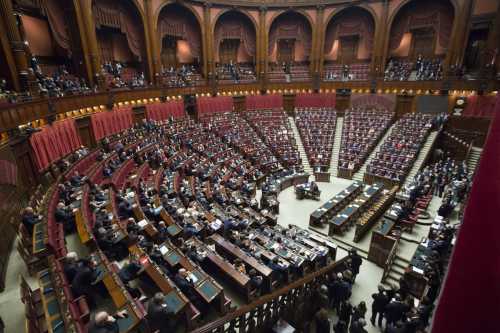
Of course, in any giant family, there are siblings who are not part of the ruling group, and they are very unhappy. The main opposition in the National Assembly is the Sunni Ittehad Council (the political wing backed by Imran Khan's PTI). Their argument is very simple: they say the parents are being incredibly unfair. They argue that instead of asking the poor and middle-class family members to pay more taxes, the government should be taxing the ultra-rich landlords, the massive factory owners, and the retail giants who have historically avoided paying their fair share. When the budget was presented in the parliament, the opposition members did not just sit quietly. They stood on their desks, they shouted, they tore up printed copies of the budget, and they walked out of the hall. They called the budget a "death warrant" for the common citizen, arguing that the massive increases in energy tariffs and sales tax would push millions of people below the poverty line.
The New Rules: Who Pays the Piper?
So, what are the actual new rules written into this 2026 budget? The government had to find new ways to fill the piggy bank without completely breaking the backs of the poorest citizens. This led to some massive, historic shifts in how taxes are collected in Pakistan. First, the government finally turned its eyes toward the retail sector. For decades, the giant wholesale and retail markets operated in the shadows, paying almost zero taxes. The 2026 budget introduced a strict, track-based tax system for retailers, forcing the giant shopkeepers to finally contribute to the family piggy bank. Second, the government introduced heavy taxes on "non-filers"—people who refuse to show their income to the tax authorities. If you do not prove how much money you make, the government will charge you double the tax on your bank transactions, your car purchases, and your flight tickets. Third, and perhaps most controversially, the budget placed new levies on the IT sector and the digital economy. While the tech industry is the family's brightest, smartest child, the government argued that they must also pay their fair share to help the family out of its debt crisis. This caused a massive uproar in the tech community, who warned that these taxes would drive away foreign investment.
The Provincial Fights: The Battle for the Water and the Watts
Politics in Pakistan is not just about the federal government in Islamabad; it is also about the fierce rivalry between the provinces. Imagine the giant family house has four separate wings, and each wing has its own manager. The managers of Punjab, Sindh, Khyber Pakhtunkhwa, and Balochistan are constantly arguing over who gets the most water for their gardens and who gets the most electricity for their lights. The 2026 budget had to address the National Finance Commission (NFC) award, which is the formula that decides how the giant piggy bank is divided among the four wings. Punjab, being the largest wing with the most people, demands the most money. Sindh, which generates a massive amount of the family's income through the Karachi port and industries, argues that they should keep more of what they earn. Balochistan, despite being the largest wing by land, has the fewest people and the least development, so they demand a larger share to build basic roads and schools. The federal government had to perform a political miracle in 2026, balancing these competing demands while still satisfying the strict uncle, the IMF, who demanded that the total amount of money given to the provinces be capped to control inflation.
The Playground Promises: Development and Climate
Despite the harsh reality of paying off debts, the 2026 budget was not entirely about punishment and austerity. The government also set aside money for "development," which is like buying new equipment for the family's playground. A massive portion of the development budget was allocated to climate resilience. Pakistan is one of the most vulnerable countries to climate change, facing devastating floods and brutal heatwaves. The budget included billions of rupees for building massive new dams, reinforcing the walls of the Indus River, and creating drought-resistant agricultural zones. Furthermore, the budget promised massive investments in the "digital playground." The government announced the creation of special technology zones where young startups and software companies would be given free land, high-speed internet, and tax breaks for the first five years. The goal is to transform Pakistan from a country that imports physical goods into a country that exports digital services, creating millions of high-paying jobs for the family's youngest members.
Conclusion: A Family at the Crossroads
The passage of the 2026 Federal Budget was a defining moment in Pakistan's political history. It showed a democracy working exactly as it is supposed to: with loud arguments, fierce negotiations, painful compromises, and a final vote that reflects the will of the majority. The government chose the hard path. They decided to face the anger of the people today to avoid the total collapse of the family's finances tomorrow. The strict uncle, the IMF, was pleased and released the next tranche of money, stabilizing the country's foreign reserves and preventing a default. But the parents know that the road ahead is incredibly rocky. They must now convince the angry kids, the frustrated opposition, and the tired citizens that these painful sacrifices will eventually lead to a healthier, wealthier, and more prosperous giant family. The budget is passed, the ink is dry, but the real work of building the nation has only just begun.
Related Articles
The Institutional Fault Line: How Judicial Overreach and Trade Wars Are Reshaping U.S. Markets
Aug 23, 2026
The Fractured Consensus: How Trade Volatility and Institutional Strain Are Rewiring U.S. Macroeconomics
Aug 22, 2026
Comments (0)
No comments yet. Be the first to share your thoughts!
Want to join the discussion?
Please log in to post a comment.
Login NoworCreate an Account