
Pakistan's Historic Agreement with WHO for Free Childhood Cancer Medicines: A New Dawn for Pediatric Oncology

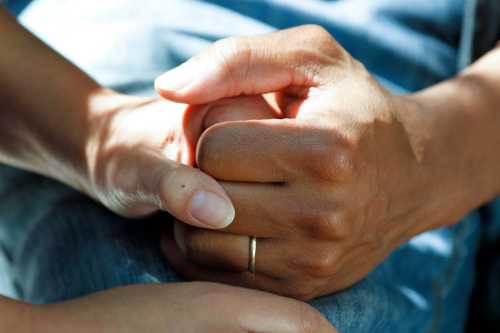
In a monumental step forward for public health and pediatric oncology, Pakistan has embarked on a transformative journey to combat one of the most devastating diseases affecting its youngest and most vulnerable citizens. As of June 2026, the nation is witnessing a historic shift in how childhood cancer is treated, thanks to a landmark agreement with the World Health Organization (WHO). This initiative, which centers around the Global Platform for Access to Childhood Cancer Medicines, promises to deliver free, quality-assured cancer treatments to thousands of children who would otherwise face insurmountable financial and logistical barriers. The announcement, which has sent ripples of hope across the medical community and families nationwide, marks a new chapter in Pakistan's healthcare history. For decades, the prognosis for a child diagnosed with cancer in Pakistan was often a harrowing journey filled with uncertainty, exorbitant medical bills, and the heartbreaking reality of limited access to life-saving drugs. Today, that narrative is beginning to change, driven by an unprecedented collaboration between the Pakistani government, the WHO, and global health partners.
The Grim Statistics of Pediatric Oncology
The grim statistics surrounding pediatric oncology in Pakistan have long been a source of deep concern for health officials and humanitarian organizations. Every year, over 8,000 new cases of childhood cancer are diagnosed across the country. Tragically, the survival rate for these young warriors has hovered around a mere 30 percent, a stark and sobering contrast to the 80 percent survival rate seen in higher-income nations. This glaring disparity is not primarily due to a lack of medical expertise or dedication among Pakistani doctors, but rather the severe limitations in accessing essential, quality-assured chemotherapy medicines and supportive care. Many families, already burdened by poverty, are forced to make impossible choices, often resorting to selling assets or taking on crippling debt to afford a few cycles of treatment. In the most heartbreaking scenarios, children are simply turned away or treatment is interrupted because the required medications are out of stock or financially out of reach. The new WHO agreement directly targets this critical bottleneck, ensuring that the cost of medicine will no longer be a death sentence for any child in Pakistan.
"Every child has the fundamental right to receive quality cancer treatment, regardless of their economic status, where they live or who they are. No child affected by cancer should die because of a lack of access to treatment." - Dr. Luo Dapeng, WHO Representative in Pakistan
The Global Platform for Access to Childhood Cancer Medicines
At the heart of this life-saving initiative is the Global Platform for Access to Childhood Cancer Medicines, a groundbreaking program co-founded in 2021 by St. Jude Children’s Research Hospital and the WHO. The platform was designed specifically to address the severe inequities in childhood cancer care across low- and middle-income countries. By consolidating global demand, the platform negotiates with pharmaceutical manufacturers to secure a sustainable, uninterrupted supply of essential cancer medicines at affordable prices. For Pakistan, joining this platform on July 29, 2025, was a strategic masterstroke. As the second country in the Eastern Mediterranean Region to participate, Pakistan has positioned itself at the forefront of a global movement to eradicate preventable childhood cancer deaths. The United Nations Children's Fund (UNICEF) serves as the procurement agent, leveraging its massive global supply chain to purchase these medicines and deliver them directly to the doorsteps of Pakistani hospitals. This end-to-end support system ensures that the medicines are not only affordable but also of the highest quality, meeting rigorous international standards for safety and efficacy.
Hospital Preparations and the Roadmap to 2027
The operational rollout of this agreement has been meticulously planned and is currently in its advanced stages. As of February 2026, four major Pakistani hospitals have been aggressively finalizing their preparations to receive the first batches of free childhood cancer medicines before the end of the year. These facilities have been working tirelessly to implement the comprehensive technical recommendations provided by a mission of international experts from the Global Platform, who visited Pakistan in August 2025. The experts evaluated everything from cold-chain storage capabilities and pharmacy management systems to the specialized training required for oncologists and nurses to administer these specific protocols. The dedication shown by the hospital administrations and healthcare workers has been nothing short of extraordinary, as they race against the clock to meet the stringent requirements set forth by the WHO. Meanwhile, a second mission of experts conducted visits to seven additional facilities between January 30 and February 6, 2026. These seven hospitals are now on a fast-track implementation plan, with the explicit goal of being fully prepared to receive and administer the life-saving supplies by 2027.
- Cold-Chain Storage: Ensuring medicines are stored at precise temperatures to maintain efficacy.
- Pharmacy Management: Upgrading digital systems to track inventory and prevent stockouts.
- Specialized Training: Equipping oncologists and nurses with the latest protocols for administering these specific drugs.
The Vision for 2030: Increasing Survival Rates to 60%
The ultimate, overarching goal of this monumental partnership is both ambitious and deeply humane: to increase the childhood cancer survival rate in Pakistan from the current 30 percent to 60 percent by the year 2030. This target is not merely a statistical aspiration; it represents thousands of little lives that will be saved, thousands of families that will remain intact, and thousands of children who will have the opportunity to grow up, attend school, and contribute to society. Beyond the direct provision of free medicines, the initiative recognizes that delivering effective cancer care requires a robust and resilient health system. Therefore, the agreement includes comprehensive support for Pakistan’s Ministry of Health and provincial authorities. This support encompasses technical guidance, capacity building, and operational resources designed to strengthen the overall infrastructure for childhood cancer services. It involves the development of standardized treatment protocols, the establishment of robust information systems to track patient outcomes, and the continuous training of healthcare professionals. By focusing on system strengthening, the initiative ensures that the benefits of free medicines are maximized and that the quality of care provided at the bedside meets international benchmarks.
Global Context and the Burden on Developing Nations
To understand the magnitude of this achievement, one must look at the global context of childhood cancer. It is estimated that 400,000 children develop cancer each year worldwide. Shockingly, close to 90 percent of these children live in low- and middle-income countries, where survival rates remain tragically low, often less than 30 percent. This means that globally, 7 out of 10 children affected by cancer do not survive, and in many cases, their deaths are entirely preventable if they had access to the basic, essential medicines that are readily available in wealthier nations. The Global Platform aims to provide an uninterrupted supply of these quality-assured medicines to approximately 120,000 children in low- and middle-income countries over the next five years, with plans to scale up significantly in the future. Pakistan’s active participation and rapid implementation serve as a beacon of hope and a model for other nations facing similar challenges. It demonstrates that with political will, international cooperation, and a commitment to health equity, the seemingly insurmountable barriers to childhood cancer care can be dismantled.
As Pakistan stands on the precipice of this healthcare revolution, the focus now shifts to flawless execution and long-term sustainability. The successful integration of the Global Platform's medicines into the national health system will require ongoing monitoring, transparent supply chain management, and unwavering political support. The medical community, civil society, and international partners must remain vigilant to ensure that the promises made in 2025 and 2026 translate into tangible, life-saving realities for every child who walks through the doors of an oncology ward. The journey ahead is complex, but the foundation has been laid with unprecedented solidarity. For the families who have prayed for a miracle, and for the healthcare workers who have fought with everything they have against impossible odds, this agreement is the answer to their deepest hopes. It is a testament to the power of global health diplomacy and the enduring belief that every child's life is infinitely precious. The dawn of a new era in pediatric oncology has arrived in Pakistan, bringing with it the light of hope, the promise of healing, and the certainty of a brighter future for its youngest citizens.
Read the official WHO report: WHO Pakistan - Childhood Cancer Medicines Agreement
Historic milestone! ???????? 4 hospitals in Pakistan are finalizing preparations to receive free childhood cancer medicines by end of 2026 under our agreement with WHO. Every child has the right to quality cancer treatment. #ChildhoodCancer #Pakistan #WHO
— WHO Pakistan (@WHO_Pakistan) February 12, 2026
Related Articles
The Biopharma Bottleneck: How Supply Chains and Regulatory Reality Are Restraining Medical Innovation
Aug 22, 2026
The Structural Faultlines of Modern Medicine: Navigating the Convergence of Capital, Compute, and Geopolitics
Aug 22, 2026
Comments (0)
No comments yet. Be the first to share your thoughts!
Want to join the discussion?
Please log in to post a comment.
Login NoworCreate an Account