
Pakistan’s Parliament Passes Massive Finance Bill 2026 Amid Fierce Opposition Walkout

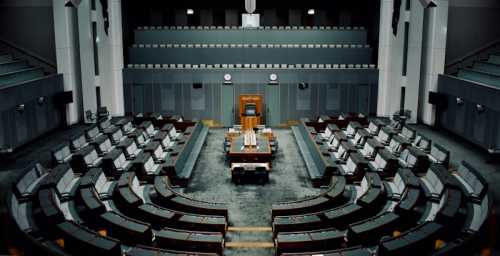
In the bustling heart of Islamabad, the National Assembly of Pakistan has officially passed the highly anticipated Finance Bill for the year 2026. This monumental piece of legislation, which outlines how the government will collect taxes and spend money over the next fiscal year (2026-27), was approved after intense debates, heated arguments, and a dramatic walkout by opposition members. The bill sets a massive revenue target of Rs15.264 trillion, marking a 17.6% increase from the previous year's estimates.
Understanding the Finance Bill: A Simple Explanation
Imagine your family has a giant jar where everyone puts money to pay for the house, food, and electricity. At the start of the year, your parents sit down and make a strict list of how much money they need to collect from everyone’s allowances and exactly how they will spend it. In the government, this list is called a "Finance Bill." It is the ultimate rulebook for the country's wallet. This year, the Pakistani government decided it needs to collect a lot more money—over 15 trillion rupees!—to pay for essential services like building new roads, funding schools, running hospitals, and paying back old debts that the country owes to other nations.
The Drama in Parliament
Passing such a massive bill is never easy. When Finance Minister Muhammad Aurangzeb presented the bill to the Lower House of Parliament, the opposition parties, including Pakistan Tehreek-e-Insaf (PTI) and Jamiat Ulema-e-Islam-Fazl (JUI-F), strongly disagreed with many of the new taxes and spending cuts. They submitted hundreds of amendments (suggested changes) to make the bill fairer for the common citizen. However, because the ruling coalition (led by PML-N, PPP, and MQM-P) holds the majority of the seats, almost all of the opposition's suggestions were rejected. Frustrated by this, the opposition members staged a dramatic walkout, leaving the hall while the ruling parties voted the bill into law.
Where is the Money Coming From?
To reach the ambitious target of Rs15.264 trillion, the government is introducing several new tax measures. While the bill extends some tax relief to salaried individuals and offers incentives to the export, real estate, and construction sectors to encourage growth, it also tightens the net on undocumented wealth and increases taxes on certain luxury goods. The government argues that these measures are necessary to steer the economy toward a 4% growth target and to meet the strict conditions set by international lenders like the International Monetary Fund (IMF).
Official Sources & Social Media
For the latest official updates and the full text of the legislation, please visit the official government portal:
Ministry of Finance Official UpdatesWhat This Means for the Future
The passage of the Finance Bill is a critical step for Pakistan's economic stability. By securing this legislation, the government ensures that it can continue to receive vital financial support from the IMF, which is crucial for keeping the country's foreign reserves stable and preventing a default on international loans. However, economists warn that the true test will be in the implementation. Collecting 17.6% more revenue than last year requires a highly efficient tax collection system, and the government will need to work tirelessly to broaden the tax base rather than just overburdening those who already pay.
Related Articles
The Multipolar Fracture: Navigating Defense Realignment, Institutional Arbitrage, and Tactical Instability
Aug 23, 2026
The Architecture of Fragmentation: Navigating the Multipolar Shift in Global Governance
Aug 22, 2026
Comments (0)
No comments yet. Be the first to share your thoughts!
Want to join the discussion?
Please log in to post a comment.
Login NoworCreate an Account