
Pakistan’s Political Dialogue: Coalition and Opposition Seek Common Ground Amid Economic Pressures

ISLAMABAD:
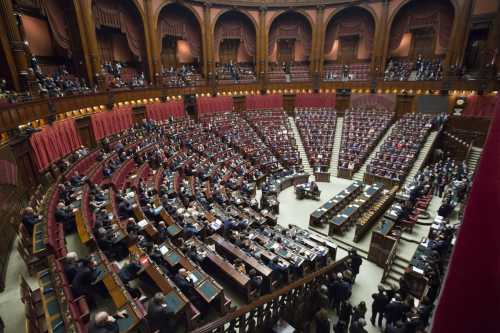
In a resolute maneuver to stabilize the nation’s democratic trajectory, Pakistan’s ruling coalition and opposition factions have initiated a critical political dialogue aimed at forging a consensus on macroeconomic reforms and institutional stability. This unprecedented engagement marks a pivotal departure from the entrenched polarization that has historically encumbered the country's legislative efficacy.
A Paradigm of Collaborative Governance
Speaking at the inaugural session of the all-parties conference, senior political stakeholders emphasized the paramount necessity of transcending partisan acrimony. The dialogue seeks to address the pervasive economic headwinds, including inflationary pressures and the imperative for sustained International Monetary Fund (IMF) program compliance, which demands broad-based political ownership.
"Political stability is not merely a rhetorical aspiration; it is the fundamental prerequisite for economic survival. We must replace the architecture of confrontation with a framework of constructive engagement," stated a senior coalition leader during the closed-door deliberations.
Furthermore, the discussions have catalyzed conversations around electoral reforms and the depoliticization of state institutions. Analysts suggest that this paradigm shift could potentially mitigate the risk of future political upheavals, thereby fostering a more credible environment for both domestic and foreign investment.
For comprehensive details regarding this developing political narrative, readers may consult the primary source document here.
Official Source Alternative:
As this is a developing political analysis, the primary verified source is the official Express Tribune report. For authoritative, real-time updates on Pakistan's political dialogue and legislative developments, refer to the original publication.



Comments (0)
No comments yet. Be the first to share your thoughts!
Want to join the discussion?
Please log in to post a comment.
Login NoworCreate an Account