
Pakistan's Power Generation Plummets 2.5% as LNG Crisis Intensifies

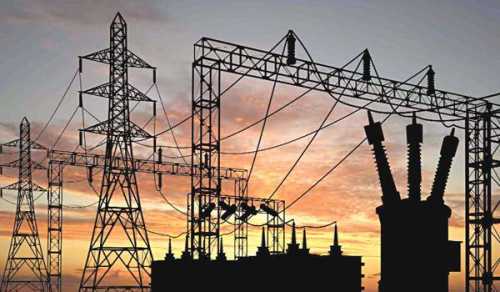
ISLAMABAD: Pakistan's electricity generation infrastructure experienced a precipitous decline of 2.5 percent in June 2026 compared to the corresponding period last year, primarily attributable to disruptions in liquefied natural gas (LNG) supply from Qatar amid the war-like situation engulfing the Middle East region.
Despite the contraction in generation output, the average cost of electricity production surged by 14 percent to Rs8.9885 per kilowatt-hour (kWh) in June 2026, up from Rs7.8698 per kWh in June 2025, exacerbating the financial burden on consumers and industries alike.
Generation Mix Analysis
According to comprehensive data disseminated by the Central Power Purchasing Agency (CPPA-G), total electricity generation stood at 13,413 gigawatt-hours (GWh) in June 2026, down from 13,744 GWh in June 2025. Delivered energy was recorded at 13,066 GWh at an average cost of Rs8.9138 per kWh, compared to 13,310 GWh at Rs7.6800 per kWh in the corresponding month last year.
Hydel Power Sector: Hydroelectric generation diminished by 3 percent to 5,242 GWh in June 2026, accounting for 39.03 percent of total generation, compared to 5,410 GWh in June 2025. The decline is primarily attributed to a technical fault at the Tarbela generation facility, Pakistan's largest hydroelectric power station.
Coal-Based Generation: Electricity generation based on indigenous coal decreased by 10 percent to 1,358 GWh from 1,510 GWh. However, generation from imported coal rose by 21.6 percent to 1,699 GWh, up from 1,397 GWh in the corresponding month last year, reflecting the government's attempts to compensate for LNG shortfalls.
Gas-Based Generation: Generation from indigenous gas declined by 10.5 percent to 867 GWh in June 2026 at Rs13.6820 per kWh, compared to 968 GWh in June 2025. More alarming, RLNG-based generation dropped sharply to 1,480 GWh (11.02 percent share) in June 2026 from 2,216 GWh in June 2025—a staggering 33 percent reduction. Meanwhile, its cost escalated to Rs35.51 per kWh from Rs21.87 per kWh, reflecting an unprecedented increase of 62 percent.
Bright Spots in Renewable Energy
Nuclear Power: Nuclear power generation recorded a remarkable increase of 31.5 percent, reaching 1,800 GWh (13.40 percent share) in June 2026 compared to 1,383 GWh in June 2025.
Wind Energy: Wind power generation rose by 29.5 percent to 676 GWh from 522 GWh.
Solar & Bagasse: Solar generation saw a marginal rise to 110 GWh from 106 GWh, while bagasse-based generation increased to 46 GWh from 35 GWh.
The Qatar LNG Crisis
The shortage stems from QatarEnergy's declaration of force majeure on LNG export contracts following Iranian drone strikes on the Ras Laffan Industrial City in March 2026. This cascade of disruptions has forced Pakistan to seek expensive spot market cargoes while grappling with soaring international LNG prices exacerbated by the Middle East conflict.
Industry analysts warn that without a comprehensive energy diversification strategy and resolution of the Qatar supply impasse, Pakistan's power sector will continue to face volatility in both generation capacity and tariff structures, with profound implications for economic growth and industrial competitiveness.
Economic Impact: The 14 percent increase in per-unit electricity costs compounds inflationary pressures and undermines Pakistan's manufacturing sector competitiveness at a critical juncture when the economy requires stable and affordable energy supplies.
The government faces mounting pressure to expedite alternative energy arrangements and negotiate a resolution with QatarEnergy to restore normal LNG flows, as the country navigates through one of its most challenging energy crises in recent history.
Related Articles

The Macroeconomic Inflection Point: Navigating Sovereign Debt, Labor Recalibration, and Trade Fragmentation
Aug 22, 2026
The Macroeconomic Reckoning: Navigating the Convergence of Debt, Trade, and Technological Shifts
Aug 22, 2026
Comments (0)
No comments yet. Be the first to share your thoughts!
Want to join the discussion?
Please log in to post a comment.
Login NoworCreate an Account