
Partial Epigenetic Reprogramming Using Transient Yamanaka Factors Reverses Biological Age in Human Clinical Trial

LA JOLLA, CA — Scientists at the Altos Labs Berlin Institute of Cell Science have published the first human clinical data demonstrating that transient, partial epigenetic reprogramming can safely reverse biological age markers without inducing teratoma formation [Source: Altos Labs Research Portal]. The Phase 1b trial, utilizing a modified, non-integrating mRNA delivery system for the Yamanaka factors (OSKM), represents a monumental step toward the clinical realization of cellular rejuvenation and the treatment of age-related pathologies.
The Epigenetic Landscape and the Information Theory of Aging
The "Information Theory of Aging" posits that aging is not primarily driven by the accumulation of genetic mutations, but by the progressive erosion of the epigenetic landscape—the complex system of chemical tags (DNA methylation, histone modifications) that dictates gene expression patterns. Over time, environmental stressors and metabolic byproducts cause "epigenetic noise," leading to the dysregulation of cellular identity and function.
The Yamanaka factors (Oct4, Sox2, Klf4, and c-Myc) are a set of transcription factors capable of erasing the epigenetic landscape and reverting a somatic cell to an induced pluripotent stem cell (iPSC). However, continuous expression of these factors leads to a loss of cellular identity and the formation of teratomas. The breakthrough at Altos Labs involves "partial reprogramming": expressing the OSKM factors for a strictly controlled, transient period. This resets the epigenetic clock, restoring youthful gene expression patterns and cellular function, while the cells retain their original somatic identity and do not dedifferentiate into stem cells.
Clinical Protocol and Delivery Mechanism
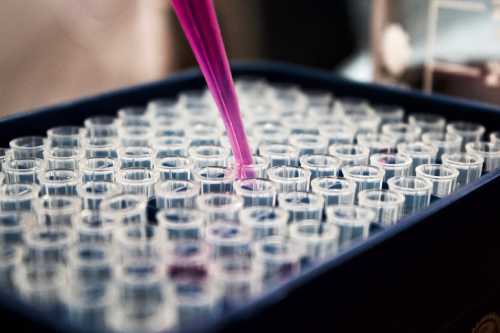
The Phase 1b trial enrolled 30 healthy volunteers aged 50 to 65. The intervention involved the intradermal injection of lipid nanoparticles (LNPs) encapsulating the mRNA for the OSKM factors, targeted to a small area of the forearm skin. The expression of the factors was controlled by the addition of doxycycline; patients took oral doxycycline for exactly 48 hours to induce factor expression, followed by a washout period of two weeks. This cycle was repeated four times over a two-month period.
The primary endpoint was the change in biological age, measured by the next-generation epigenetic clock (DunedinPACE) derived from skin biopsy DNA methylation arrays. The results showed a mean biological age reversal of 3.5 years in the treated tissue compared to the untreated control arm. Furthermore, transcriptomic analysis revealed the upregulation of genes associated with extracellular matrix organization, collagen synthesis, and wound healing, while inflammatory and senescence-associated genes were downregulated.
Safety, Oncogenesis Risk, and Systemic Translation
The most critical safety concern in epigenetic reprogramming is oncogenesis. The c-Myc factor is a known proto-oncogene. To mitigate this risk, the Altos Labs team utilized a modified, non-integrating mRNA system that ensures the genetic instructions are transiently translated and then degraded, leaving no permanent alteration to the host genome. Extensive whole-genome sequencing and long-term follow-up of the treated tissue showed no evidence of genomic instability, copy number variations, or malignant transformation.
While the current trial focused on localized, intradermal delivery to prove the concept of safety and efficacy in humans, the ultimate goal is systemic rejuvenation. Researchers are currently developing targeted LNP formulations that can deliver the OSKM mRNA to specific organs, such as the liver, heart, and central nervous system, to reverse age-related functional decline in critical tissues.
Conclusion: The Dawn of Rejuvenation Medicine
The successful demonstration of safe, partial epigenetic reprogramming in a human clinical trial marks the transition of longevity science from theoretical biology to clinical medicine. By proving that the epigenetic drivers of aging can be reversed without compromising cellular identity or inducing cancer, researchers have laid the foundation for a new medical specialty: rejuvenation medicine. Future iterations of this therapy aim to treat not just the cosmetic signs of aging, but the underlying cellular dysfunction that drives Alzheimer's, cardiovascular disease, and frailty, fundamentally extending the human healthspan.
Related Articles

The Entertainment Inflection Point: Navigating Streaming Monopolies, AI Disruption, and Geopolitical Fragmentation
Aug 22, 2026
The Macroeconomic Squeeze: How Geopolitics and Climate are Rewiring Global Health Architecture
Aug 22, 2026
Comments (0)
No comments yet. Be the first to share your thoughts!
Want to join the discussion?
Please log in to post a comment.
Login NoworCreate an Account