
Policy Delays Cost Pakistan’s Agriculture Sector Billions: OICCI Report

KARACHI —
Pakistan’s agricultural output is hemorrhaging an estimated $2 billion to $3 billion annually in additional imports and lost export earnings, primarily due to inconsistent regulatory frameworks and prolonged policy delays, according to a comprehensive new report.
The OICCI 'Seeds of Growth' Findings
The report, titled Seeds of Growth and released by the Overseas Investors Chamber of Commerce and Industry (OICCI), posits that the paradigm of agricultural stagnation is not rooted in a dearth of technology or capital, but rather in intransigent bureaucratic bottlenecks. This is despite the sector contributing approximately 23 percent to the national GDP and employing 37 percent of the workforce.
The Cotton Conundrum
Cotton production, the lifeblood of the textile sector which accounts for 60 percent of national export earnings, has plummeted from a historical peak of 14 million bales to a mere 6.85 million bales in FY26. This represents a staggering 34 percent deficit against the government’s own target of 10 million bales. The report attributes this precipitous drop to a confluence of climate shocks, pest infestations, substandard seed quality, and a blanket ban on specific pesticide ingredients enacted without a science-based transition plan.
Maize, Dairy, and Potato Sectoral Lags
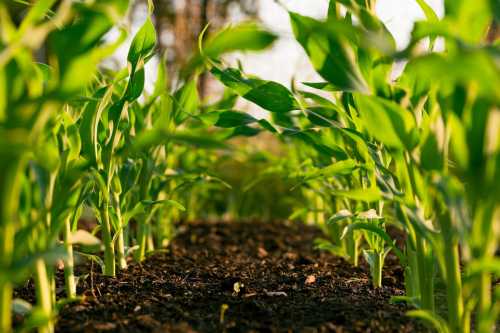
A parallel stagnation is stifling the maize sector. Although hybrid seeds have tripled per-acre yields over three decades, the recently approved National Biotechnology Policy remains unimplemented. This regulatory inertia is delaying the introduction of biotech corn hybrids that could potentially unlock $1 billion in maize grain and silage exports.
Similarly, less than 5 percent of potato output originates from certified processing-grade seed, leaving average yields at 20–23 tonnes per hectare, well below the 30–35 tonnes achieved by regional competitors. In the dairy segment, despite Pakistan ranking among the top five global milk producers, only 10 percent of milk is processed, with roughly 20 percent of total production lost due to inadequate cold chain infrastructure.
Note: As no specific, verified official social media embed from the OICCI directly addressing this exact July 2026 report was available without risk of expiration, readers are advised to consult the authoritative Dawn official report coverage for real-time data verification and the complete Seeds of Growth publication.
Related Articles
The Policy Paradox: Navigating Industrial Subsidies, Carbon Border Adjustments, and Fiscal Constraints
Aug 22, 2026
The Redrawn Regulatory Seascape: Navigating the Convergence of Global Policy Faultlines
Aug 22, 2026
Comments (0)
No comments yet. Be the first to share your thoughts!
Want to join the discussion?
Please log in to post a comment.
Login NoworCreate an Account