
Samsung Galaxy S26 Ultra Introduces Solid-State Graphene Battery and 200MP Periscope Zoom

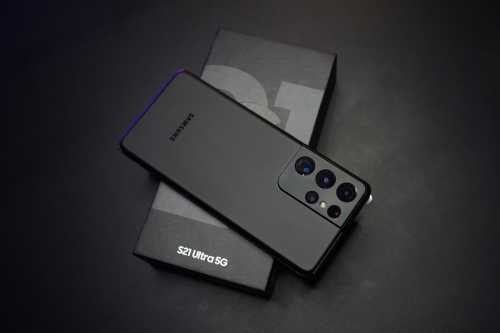
Shattering the Limits of Mobile Power and Optics
Samsung Electronics has officially pulled the curtain back on the Galaxy S26 Ultra, a flagship smartphone that introduces two industry-first technologies: a solid-state graphene-silicon anode battery and a next-generation 200-megapixel periscope telephoto lens with variable aperture. As reported by CNET, the S26 Ultra represents a monumental leap in mobile hardware engineering, addressing the two most persistent pain points for power users: battery anxiety and optical limitations in low-light zoom photography. The device is powered by the Snapdragon 8 Gen 5 for Galaxy, a custom-silicon chipset optimized for on-device generative AI, ensuring that the massive computational loads of the new camera system are handled locally without draining the newly fortified power cell.
The integration of the graphene-silicon battery is a masterclass in materials science. Traditional lithium-ion batteries rely on a graphite anode, which has a theoretical capacity limit that restricts energy density. By replacing the graphite with a composite of graphene and silicon, Samsung has increased the anode's capacity by over 40%. This allows the S26 Ultra to house a massive 6,000 mAh battery within the same physical chassis dimensions as its predecessor. Furthermore, the graphene matrix provides exceptional thermal conductivity, dissipating heat 300% faster than traditional cells. This means the device can sustain peak performance during intensive gaming or 8K video rendering without thermal throttling, while also supporting a blistering 200W wired fast-charging standard that can take the battery from 0 to 100% in just 12 minutes.
Optical Physics and the AI Computational Pipeline
On the imaging front, the S26 Ultra's 200MP periscope telephoto lens redefines mobile photography. Unlike previous fixed-aperture zoom lenses that struggled in dim environments, the new module features a physical, multi-leaf variable aperture that can open up to f/1.8. This allows significantly more light to hit the ISOCELL HP3 sensor, reducing noise and enabling natural optical bokeh even at 10x magnification. To complement the hardware, Samsung has introduced "Quantum Vision AI," a dedicated image signal processor (ISP) that utilizes a diffusion-based neural network to reconstruct fine details in extreme low-light zoom shots. Instead of simply sharpening pixels and introducing artifacts, the AI understands the physical properties of the subject and reconstructs the texture and lighting with unprecedented accuracy.
The market positioning of the Galaxy S26 Ultra is aggressive. Priced at $1,399, it is aimed directly at the professional creator and enterprise user demographic. Samsung has also heavily emphasized the device's security and enterprise features, including a dedicated hardware enclave for quantum-resistant encryption and Samsung DeX 4.0, which now supports wireless connection to multiple monitors simultaneously with full desktop OS parity. As the smartphone market continues to mature, the S26 Ultra proves that radical innovation in materials science and computational optics can still drive massive consumer upgrades, setting a new benchmark that competitors will struggle to match for the next two hardware cycles.
Related Articles
The Hardware Inflection Point: Navigating Supply Chain Fragility and Regulatory Shifts in Consumer Electronics
Aug 22, 2026
The Structural Recalibration of Consumer Electronics: Navigating Supply, Regulation, and Adoption Faultlines
Aug 22, 2026
Comments (0)
No comments yet. Be the first to share your thoughts!
Want to join the discussion?
Please log in to post a comment.
Login NoworCreate an Account