
SpaceX Activates Global Starlink Direct-to-Cell Network, Eradicating Smartphone Dead Zones

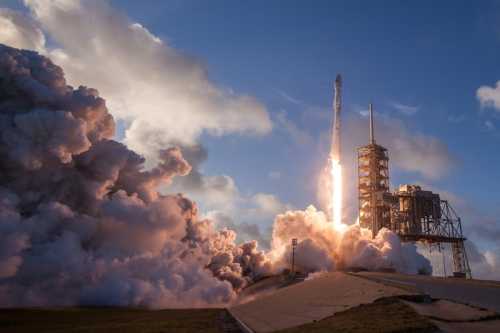
SpaceX has officially flipped the switch on its global Direct-to-Cell satellite network, effectively eradicating traditional smartphone dead zones by allowing standard, unmodified mobile phones to connect directly to orbiting satellites. The service, which rolled out simultaneously across 40 countries early Thursday morning, provides seamless text, voice, and low-bandwidth data coverage in the most remote corners of the planet.
Historically, if you wanted to call a satellite, you needed a bulky, expensive satellite phone with a massive external antenna. SpaceX solved this by essentially turning their Starlink satellites into massive, flying cell phone towers. Instead of your phone trying to reach a terrestrial tower made of steel on a mountain 20 miles away, it now reaches a highly advanced receiver flying in low Earth orbit just 300 miles above your head. You don't need a new phone, a new app, or a new SIM card; it just works exactly like your normal cellular service.
The societal impact of this technological marvel cannot be overstated. For hikers, sailors, and rural communities, it guarantees a lifeline for emergency services anywhere on Earth. Furthermore, it completely disrupts the traditional telecommunications monopoly, forcing major cellular carriers to compete on data speed and price rather than basic geographic coverage, fundamentally democratizing global connectivity.
Related Articles

The Compute Reckoning: Navigating Sovereign AI, Quantum Tipping Points, and Antitrust Friction
Aug 23, 2026
The Structural Recalibration of Global Technology: Navigating Compute, Cryptography, and Geopolitical Faultlines
Aug 22, 2026
Comments (0)
No comments yet. Be the first to share your thoughts!
Want to join the discussion?
Please log in to post a comment.
Login NoworCreate an Account