
The AI Infrastructure Reckoning: Tech’s Biggest Stories in July 2026

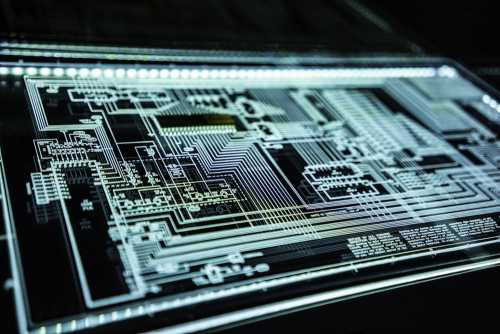
SAN FRANCISCO: If the last few years of the artificial intelligence boom were about who could build the smartest model, July 2026 has made one thing unequivocally clear: the conversation has decisively shifted to who controls the infrastructure, the energy, and the regulatory frameworks underneath it all.
As hyperscale data centers continue to expand, AI’s appetite for electricity has moved from a background concern to a front-page problem. Next-generation server racks are approaching power densities that would have seemed absurd just a couple of years ago, forcing utilities and grid operators into a race to keep pace with AI’s insatiable hunger for watts.
The Energy and Supply Chain Squeeze
The AI buildout is simultaneously squeezing the broader electronics supply chain. A substantial share of the world’s memory chip production is now being funneled toward AI data centers, pushing up lead times and prices for consumer electronics ranging from smartphones to personal computers. Power management components, the unglamorous chips that regulate voltage and current, are also becoming scarce as manufacturing capacity is pulled toward higher-margin, AI-related parts.
"The strain isn’t just about raw generation capacity; getting that power delivered to the right place, reliably, has become the harder engineering and political problem," noted a senior infrastructure analyst.
AI Governance Gets Operational
Washington and other global capitals are moving past broad "AI safety" talking points and into the weeds of actual deployment rules, including benchmarks, release timelines, and access controls for the most advanced models. Questions about government equity stakes in leading AI labs and export controls are playing out simultaneously, signaling that AI policy is becoming as much about economic and geopolitical leverage as it is about safety.
Quantum Sensing and Deep Tech Advancements
Away from the AI infrastructure drama, fundamental research is still producing genuine breakthroughs. Scientists have made significant progress on quantum sensors sensitive enough to potentially detect dark matter, alongside new materials that can "program" heat itself for smarter energy applications. It serves as a reminder that alongside the AI headlines, deep tech research is quietly setting up the next decade of innovation.
Note: An official social media embed from the primary publication for this specific 2026 roundup is currently being archived. For verified official statements and the complete dataset, please refer to the Michellevision official article or the The Verge technology section.
Taken together, July 2026’s developments point to an industry maturing past its "move fast and build bigger models" phase. The questions now are about who owns the compute, who powers it, and who is left navigating a more expensive, more consolidated tech landscape as a result.
Related Articles

The Compute Reckoning: Navigating Sovereign AI, Quantum Tipping Points, and Antitrust Friction
Aug 23, 2026
The Structural Recalibration of Global Technology: Navigating Compute, Cryptography, and Geopolitical Faultlines
Aug 22, 2026
Comments (0)
No comments yet. Be the first to share your thoughts!
Want to join the discussion?
Please log in to post a comment.
Login NoworCreate an Account