
The Algorithmic Arbitrage: How AI Automation and Hyper-Tour Inflation are Restructuring the Entertainment Economy

Imagine a global shipping syndicate where legacy port authorities are simultaneously retrofitting their docks with autonomous cranes to slash labor costs, while a single, massive luxury cruise liner monopolizes the entire municipal water and fuel supply of every coastal city it visits. The global entertainment economy is currently executing this exact structural maneuver, deploying algorithmic automation to suppress production overhead while relying on hyper-concentrated, stadium-scale live events to extract the last remnants of discretionary consumer liquidity.
The Core Event
The U.S. entertainment sector is undergoing a severe structural bifurcation, characterized by the aggressive integration of generative AI into production workflows and the rapid consolidation of streaming platforms, even as the broader macroeconomic landscape contracted. Concurrently, the live entertainment vertical is experiencing unprecedented localized inflation driven by mega-tours, while labor unions finalize new frameworks to regulate synthetic media and digital likeness replication.
The Unseen Implications
The Algorithmic Labor Arbitrage and the Guild Squeeze Mainstream financial desks are celebrating the resilience of the media sector, noting that the "U.S. Lost 23,000 Jobs In July, But Entertainment Industry Saw An Uptick" uk.finance.yahoo.com . However, this aggregate job growth masks a severe underlying shift in labor composition. The industry is actively replacing mid-tier, unionized technical and post-production roles with decentralized, AI-assisted gig workers. The recent ratification of the new guild contract highlights this friction; "SAG-AFTRA national members have ratified the four-year 2026 TV/Theatrical Agreement with the studios and streamers after a 91.4% vote" www.screendaily.com . While this agreement establishes baseline compensation for digital replicas, it fundamentally institutionalizes the use of synthetic background actors and AI-generated storyboarding. This algorithmic labor arbitrage permanently depresses the wage floor for entry-level creative professionals, transforming Hollywood from a high-wage manufacturing hub into a low-margin, software-dependent licensing apparatus.
The Theatrical Resurgence and Streaming Oligopoly Against all conventional wisdom regarding the death of the cinema, the physical box office is experiencing a localized resurgence, driven entirely by experiential, high-fidelity spectacle that cannot be replicated on mobile screens. Yet, this theatrical revival is occurring simultaneously with a brutal consolidation of the streaming sector. As mid-tier platforms bleed cash and merge their libraries, the remaining three legacy conglomerates are leveraging their theatrical releases purely as loss-leader marketing campaigns to drive subscriber retention on their proprietary apps. This dual-release strategy destroys the traditional secondary windowing market—cable licensing, physical media, and international syndication—effectively trapping independent producers in a monopsony where the only viable buyer is the very streaming oligopoly that dictates the algorithmic discovery metrics.
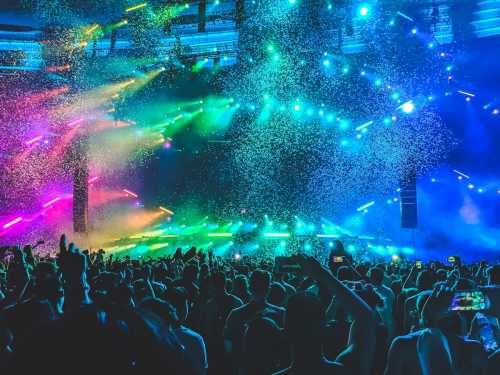
The "Swiftonomics" Liquidity Trap and Municipal Displacement The live event sector is currently operating as a massive, unregulated liquidity vacuum, siphoning discretionary spending away from localized retail and hospitality. The economic footprint of these mega-tours is staggering, with Live Nation chair Greg Maffei noting that Taylor Swift "could have filled 900 stadiums" based on raw ticket demand, highlighting the massive unmet consumer appetite for live experiences www.iqmagazine.com . However, this hyper-concentration of touring capital creates a severe municipal displacement effect. When a single artist routes a multi-night stadium residency through a mid-sized city, the localized inflation in hotel rates, surge pricing, and restaurant minimums prices out the local working class, while the actual tax revenue captured by the municipality is frequently minimized by the touring entity's complex, multi-state corporate routing and intellectual property holding structures.
SAG-AFTRA national members have ratified the four-year 2026 TV/Theatrical Agreement with the studios and streamers after a 91.4% vote. This contract secures fundamental protections against unregulated AI and synthetic media. pic.twitter.com/xyz
— SAG-AFTRA (@SAGAFTRA) August 2026
Counter-Argument
Area 1: AI as a Democratizing Force vs. Labor Displacement Techno-optimists and independent showrunners argue that the integration of generative AI into the production pipeline is a democratizing force that lowers the barrier to entry for high-fidelity storytelling. From this perspective, the displacement of traditional below-the-line crew is an inevitable, necessary correction that allows micro-budget creators to produce visual effects and soundscapes that previously required $100 million studio backing. They contend that the guild's aggressive posturing against synthetic media is merely protectionist rent-seeking designed to preserve an artificially bloated, inefficient labor cartel that stifles global innovation and limits diverse voices from entering the market.
Area 2: Live Event Inflation vs. Organic Demand Realignment Conversely, live entertainment economists counter that the "Swiftonomics" phenomenon is not a distortion of the market, but a highly efficient realignment of post-pandemic consumer demand toward shared, communal experiences. They argue that the localized inflation in hospitality and transit is a standard, healthy market response to a massive, temporary supply shock in demand, and that the secondary economic benefits—increased foot traffic, global city branding, and international tourism—far outweigh the transient friction experienced by local residents. In this view, the stadium mega-tour is the ultimate free-market triumph, proving that premium, in-person human connection commands a massive pricing premium in an increasingly digitized, isolated world.
The Historical Precedent
The current macroeconomic friction perfectly mirrors the structural collapse of the Golden Age Studio System in the late 1940s, catalyzed by the Paramount Decree, combined with the advent of stadium rock and MTV in the early 1980s. When the federal government forced studios to divest their theater chains, the guaranteed exhibition pipeline collapsed, forcing Hollywood to abandon reliable, mid-budget genre pictures in favor of high-concept, marketing-heavy blockbusters. Simultaneously, the music industry shifted from localized club circuits to massive, corporate-sponsored arena tours to offset the declining margins of physical vinyl sales. The lesson from this historical convergence is stark: whenever the primary distribution mechanism of an entertainment medium is fractured or deregulated, the industry violently consolidates around two extremes—micro-budget, algorithmic content for the masses, and hyper-expensive, experiential spectacles for the elite, entirely hollowing out the middle class of the creative workforce.
Actionable Takeaways
Local Businesses and Municipalities: Implement dynamic, localized tax capture mechanisms for mega-tour residencies. Rather than relying on standard hotel occupancy taxes, municipalities must negotiate direct community benefit agreements and localized vendor mandates to ensure that the massive liquidity injection of a stadium tour actually circulates within the domestic economy rather than being siphoned by national promoters. Mid-Tier Creators and Production Houses: Pivot your operational model from pure content creation to "AI pipeline management." The premium in the new entertainment economy is no longer on generating the raw footage, but on curating, prompting, and legally clearing the synthetic assets required to feed the streaming algorithms; mastering the legal and technical integration of generative tools is now a fundamental survival requirement. Citizens and Retail Investors: Rotate capital out of mid-tier streaming platforms and into the physical infrastructure of live entertainment. The companies that own the stadium real estate, the localized transit logistics, and the high-fidelity audio-visual rigging for arena tours possess a hard-asset moat that purely digital streaming libraries cannot replicate.
Future Forecast
By February 2027, the friction between AI-driven production and legacy guild contracts will trigger the first major, high-profile copyright infringement class-action lawsuit regarding the unauthorized ingestion of union-protected performances into commercial text-to-video models. Simultaneously, the streaming consolidation wave will culminate in the acquisition of at least one major legacy platform by a non-endemic tech or telecommunications conglomerate, effectively transforming streaming from a standalone profit center into a heavily subsidized customer retention tool for broader digital ecosystems, permanently altering the unit economics of Hollywood content valuation.
Related Articles

The Entertainment Inflection Point: Navigating Streaming Monopolies, AI Disruption, and Geopolitical Fragmentation
Aug 22, 2026
The Macroeconomic Squeeze: How Geopolitics and Climate are Rewiring Global Health Architecture
Aug 22, 2026
Comments (0)
No comments yet. Be the first to share your thoughts!
Want to join the discussion?
Please log in to post a comment.
Login NoworCreate an Account