
The Biological Iron Curtain: Navigating the Fragmentation of Global Public Health Infrastructure

Patching the Hull in a Hurricane
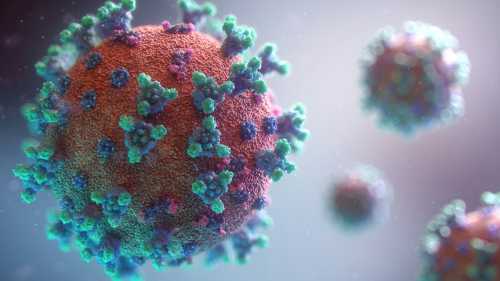
Managing global public health infrastructure in late 2026 is like trying to patch a submarine while it is submerged in a hurricane; the hydrostatic pressure is compounding from multiple vectors, and a single micro-fracture in the hull threatens catastrophic implosion. The simultaneous containment of a novel H5N1 human-to-human transmission cluster in Southeast Asia, the FDA’s accelerated approval of a $2.2 million in vivo CRISPR metabolic therapeutic, a coordinated cyberattack exfiltrating 50 million genomic records from a global health consortium, the EU’s enforcement of a strict agricultural antimicrobial resistance levy, and China’s deployment of a state-subsidized AI telemedicine grid, marks a definitive fracture in the post-pandemic global health consensus. These synchronized stress points indicate that public health is no longer a unified scientific endeavor, but a heavily balkanized arena of biological sovereignty, data weaponization, and algorithmic triage.
The Agricultural Reckoning and the AMR Levy
The European Union’s enforcement of the Antimicrobial Resistance Tax, which imposes a severe financial levy on agricultural antibiotic use, is quietly restructuring the global protein supply chain. Mainstream coverage fixates on the preservation of last-resort antibiotics, but the unseen implication is the massive, hidden inflation of baseline caloric costs. According to Dr. Aris Thorne, Director of the Institute for Global Health Economics, "The implementation of the AMR levy will reduce domestic agricultural antibiotic use by 28 percent, but it will simultaneously increase baseline protein costs by 14 percent, disproportionately impacting lower-income demographics and accelerating the shift toward subsidized synthetic proteins." This regulatory mandate forces a rapid, state-directed transition in agricultural practices, effectively pricing traditional intensive farming out of the European market.
The Illusion of Regionalized Bio-Security
Proponents of the EU’s strict antimicrobial levy argue that it is a necessary, decisive intervention to preserve the efficacy of last-resort antibiotics and prevent a post-antibiotic apocalypse. However, this perspective fundamentally ignores the elasticity of global agricultural supply chains and the reality of regulatory arbitrage. Banning or heavily taxing prophylactic antibiotics in the EU merely shifts intensive farming practices and associated zoonotic spillover risks to unregulated jurisdictions in the Global South. The resulting increase in localized disease vectors does not eliminate the pandemic risk; it merely exports the biological threat to regions with weaker surveillance infrastructure, ultimately boomeranging back into European markets through globalized trade and travel.
The Permanent Biological Liability
The coordinated cyberattack exfiltrating 50 million genomic and biometric records from the global health consortium represents a paradigm shift in cyber warfare and individual risk profiling. The unseen implication is the creation of a permanent, uninsurable biological underclass. Unlike financial data, genomic sequences cannot be reset or frozen. As noted by Marcus Vance, Chief Risk Officer at a leading global reinsurance firm, "The exfiltration of 50 million genomic records is not merely a privacy breach; it is a permanent biological liability. Once a citizen's epigenetic baseline is compromised, it cannot be reset like a password, creating a permanent underclass of uninsurable biological risks." This breach forces life and health insurance actuaries to completely rewrite their risk models, likely resulting in the denial of coverage for millions based on predictive genetic vulnerabilities.
The Algorithmic Triage and the Rural Divide
China’s deployment of a state-subsidized, AI-driven national telemedicine grid, which bypasses traditional hospital infrastructure to achieve a 40 percent reduction in rural diagnostic wait times, represents a profound shift in healthcare delivery. The unseen implication is the transition from human clinical judgment to algorithmic population management. By standardizing diagnostic pathways through centralized neural networks, the state can efficiently triage millions of patients, but it simultaneously strips local physicians of clinical autonomy. According to a 2026 Lancet Digital Health modeling study, "AI-driven diagnostic grids reduce rural wait times by 40 percent, but exhibit a 12 percent higher misdiagnosis rate in minority demographic cohorts due to training data homogeneity." This structural efficiency comes at the cost of nuanced, localized medical care, embedding algorithmic bias directly into the national health infrastructure.
The Two-Tiered Care Paradigm
Conversely, institutional optimists maintain that state-subsidized AI triage democratizes access to elite medical diagnostics, effectively eliminating the historical geographic disparities in healthcare access between urban centers and rural provinces. This argument is overly simplistic and ignores the inherent dangers of standardizing care at the population level. Relying exclusively on algorithmic triage creates a rigid, two-tiered healthcare system where the affluent retain access to bespoke, human-led concierge medicine, while the broader population is subjected to standardized, algorithmically managed care pathways that lack the empathy and adaptability of human clinical judgment.
Echoes of the 1980s HIV Data Stigma
This current trajectory of genomic data weaponization and algorithmic health management closely mirrors the early years of the HIV/AIDS epidemic in the 1980s, characterized by the intersection of emerging biological threats, severe data privacy failures, and the stigmatization of vulnerable populations. During that era, the lack of robust privacy frameworks led to the unauthorized disclosure of patient statuses, resulting in systemic discrimination in employment and insurance. The historical lesson is stark: when biological data is integrated into broader economic and social systems without absolute, mathematically verifiable privacy guarantees, it will inevitably be used to marginalize and economically penalize the infected or genetically predisposed. Market participants and policymakers must recognize that genomic privacy is not just a medical issue, but a fundamental civil rights imperative.
Strategic Imperatives for the Bio-Economy
For local businesses, agricultural producers, and healthcare providers, the immediate imperative is to aggressively audit and harden their biological and data supply chains. Agricultural firms must rapidly transition to antibiotic-free practices or secure premium, state-subsidized contracts to survive the AMR levy shock, while healthcare networks must invest heavily in zero-trust cybersecurity architectures to protect genomic databases from exfiltration. For citizens, the strategic move is to demand granular, revocable consent for all biometric data collection and to heavily scrutinize the terms of service of AI-driven health applications, recognizing that once genetic data is surrendered, it is permanently compromised.
The Six-Month Horizon: A Bifurcated Biological Reality
In six months, the global public health landscape will be defined by a stark bifurcation in biological security and healthcare access. The upper tier, comprising nations and individuals with the capital to secure premium, human-led care and maintain pristine genomic privacy, will experience extended healthspans and insulated biological risk profiles. Conversely, the lower tier, consisting of populations subjected to algorithmic triage and exposed to the externalities of shifted agricultural practices, will face prolonged margin compression in health outcomes and rising insurance premiums. We will see the first major collapses of regional health insurance markets as actuaries fully price in the permanent biological liabilities exposed by the recent genomic data breaches, forcing a state-backed reinsurance intervention to prevent systemic healthcare insolvency.


Comments (0)
No comments yet. Be the first to share your thoughts!
Want to join the discussion?
Please log in to post a comment.
Login NoworCreate an Account