
WHO Releases 64th Situation Report on Global Mpox Outbreak as Clade 1b Persists


Tracking a Persistent Global Threat
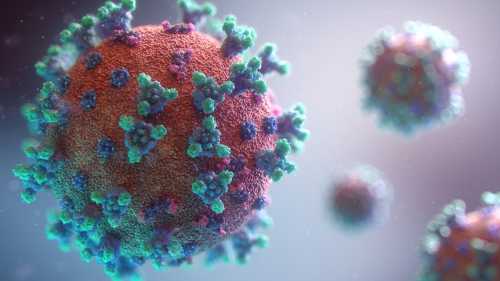
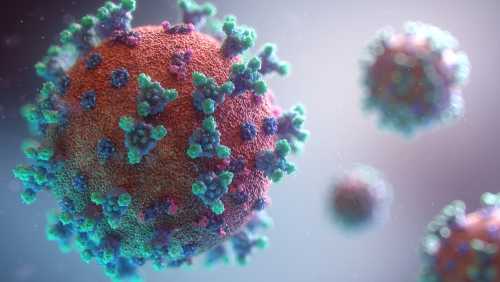
When the world heard about Mpox (formerly known as monkeypox) a few years ago, many people thought it was a short-term crisis that would quickly fade away. While the massive global emergency has ended, the virus has not disappeared. Instead, it has settled into a persistent, multi-country outbreak that requires constant vigilance. In March 2026, the World Health Organization (WHO) released its 64th External Situation Report on the global Mpox outbreak [[41]]. This report provides a detailed look at how the virus is behaving in 2026, particularly focusing on the continued spread of a new, more aggressive variant called Clade 1b.
A situation report is like a report card for the virus. Every few weeks, scientists around the world send their data to the WHO. The WHO then compiles all this information to tell us how many people are getting sick, where the hotspots are, and if the virus is changing. The fact that we are on report number 64 shows just how long and complex this public health challenge has become.
Understanding the Clades: Clade I vs. Clade II
To understand the 2026 situation, we have to talk about the different "flavors" of the Mpox virus, which scientists call clades. For a long time, the virus was mostly found in West and Central Africa. There are two main groups: Clade I and Clade II. Historically, Clade I, found mainly in the Congo Basin, was known to be more severe and had a higher death rate. Clade II, found in West Africa, was considered milder.
In 2022, a massive global outbreak was caused by a branch of Clade II (called Clade IIb). It spread all over the world, mostly affecting networks of men who have sex with men. While it was painful and caused terrible rashes, the death rate was very low outside of Africa. However, in late 2023 and throughout 2024 and 2025, a new variant of Clade I emerged, called Clade 1b [[46]]. This new variant learned how to spread more easily between people, including through heterosexual contact. It began spreading rapidly in the Democratic Republic of the Congo and neighboring African countries, causing a new wave of infections that is much more severe than the 2022 global outbreak.
The Global Picture in 2026
According to the 64th situation report, the epidemiological landscape in early 2026 is divided. In Central Africa, the Clade 1b outbreak continues to be a major public health emergency. Hospitals are overwhelmed, and the virus is affecting many children and women, not just the high-risk groups seen in the 2022 global outbreak. The WHO is working intensely to get more vaccines and diagnostic tests into these regions.
Meanwhile, in the rest of the world—including Europe, the Americas, and Asia—the situation is much quieter. The Clade IIb virus that caused the 2022 pandemic is now at very low levels. Most countries have successfully used targeted vaccination campaigns to protect the most vulnerable communities, creating a wall of immunity that stops the virus from spreading widely. However, health officials warn that the virus is still circulating at low levels, and sporadic cases continue to appear.
Symptoms and How it Spreads
Mpox is a viral zoonotic disease, meaning it originally comes from animals but can spread to humans. The symptoms usually start with a fever, intense headache, muscle aches, and swollen lymph nodes. A few days after the fever starts, a rash appears. The rash turns into fluid-filled blisters that eventually scab over and fall off. The illness typically lasts for 2 to 4 weeks.
The virus spreads through very close, intimate physical contact with someone who has the rash or scabs. It can also spread by touching contaminated items, like bedding or towels, that the sick person has used. While the 2022 outbreak showed it spreads efficiently through sexual networks, the Clade 1b variant in Africa has shown it can also spread through regular household contact, making it much harder to contain in crowded living conditions.
Official WHO Situation Report #64
Multi-country outbreak of mpox, External situation report #64 - 26 March 2026. This report provides details on the global epidemiological situation for mpox, highlighting the ongoing impact of Clade I in the African region and the stable, low-level transmission of Clade II globally.
- World Health Organization (WHO)
Read the full official situation report here: View WHO Situation Report #64
The Role of Vaccines in 2026
The most powerful tool we have against Mpox is the MVA-BN vaccine (also known as Jynneos, Imvanex, or Imvamune). This vaccine is very safe and highly effective at preventing severe disease. In 2026, the global supply of this vaccine has improved significantly compared to the shortages seen in 2022. However, the challenge remains distribution. While rich countries have enough vaccines to offer boosters to their high-risk populations, many African countries are still struggling to get enough doses to stop the Clade 1b outbreak. The WHO and global partners like Gavi are working to bridge this "vaccine apartheid" gap, ensuring that the countries bearing the heaviest burden of the disease get the protection they need.
Why We Must Keep Watching
It is easy for the public to lose interest in a disease once it is no longer making daily headlines. But in public health, silence does not mean the enemy is gone. The 64th situation report is a reminder that viruses do not respect borders or schedules. If we stop testing, stop tracking, and stop vaccinating, the virus will find the gaps in our defenses and start spreading again. The world learned a hard lesson during the coronavirus pandemic: we must maintain strong surveillance systems and be ready to respond quickly to any new threat. The ongoing Mpox outbreak in 2026 is a test of our global commitment to health equity and our ability to manage complex, long-term infectious disease challenges.

Comments (0)
No comments yet. Be the first to share your thoughts!
Want to join the discussion?
Please log in to post a comment.
Login NoworCreate an Account