
The Silent Global Pandemic: How the WHO's New 2026 Superbug Fund is Fighting Antimicrobial Resistance

Imagine you have a tiny cut on your finger from playing outside. A hundred years ago, that simple cut could get infected, and the infection could spread, making you terribly sick and potentially costing you your life. But then, scientists discovered a miracle medicine called penicillin, an antibiotic that acts like a superhero, rushing into your body to hunt down and destroy the bad bacteria causing the infection. For decades, we have taken these miracle medicines for granted. We pop them when we have a sore throat, use them in farming, and assume they will always work. But in 2026, the world is facing a massive, invisible crisis. The bad bacteria have been studying the superheroes' playbook, and they have learned how to dodge their attacks. They have become "superbugs." To fight back, the World Health Organization (WHO) and global leaders have just launched a groundbreaking, multi-billion-dollar Global Antimicrobial Resistance (AMR) Action Fund. This is not just a medical story; it is a story about protecting the very foundation of modern medicine and ensuring that a simple scratch never becomes a death sentence again.
Understanding the Enemy: What are Superbugs?
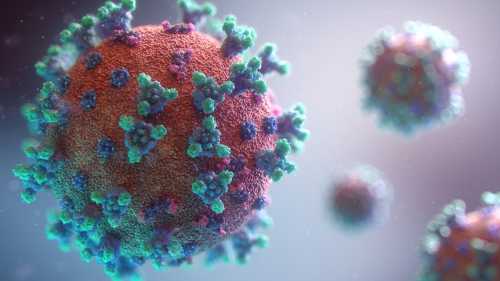
To understand the crisis, we need to understand how bacteria and antibiotics interact. Think of bacteria as tiny, single-celled creatures living all around us and inside us. Most are harmless, and some are even helpful. But some cause diseases like pneumonia, tuberculosis, and sepsis. Antibiotics are the weapons we use to kill these bad bacteria. However, bacteria are incredibly smart and evolve very quickly. When we use antibiotics, the weak bacteria die, but the strongest ones survive. These survivors then multiply, passing on their "survival genes" to their offspring. Over time, if we use antibiotics too much or incorrectly, we accidentally train the bacteria to become immune to our weapons. These immune bacteria are called Antimicrobial Resistant (AMR) pathogens, or "superbugs." They are bacteria that our standard medicines can no longer kill. If you get infected by a superbug, the doctor's first-line, second-line, and sometimes even third-line antibiotics will simply bounce off, leaving the patient with very few, if any, treatment options.
The Threat to Modern Medicine
You might think, "I just need to avoid getting a superbug, so I will be fine." But the threat of AMR goes far beyond simple infections. Modern medicine as we know it relies entirely on effective antibiotics. Think about major medical procedures: organ transplants, cancer chemotherapy, major surgeries like hip replacements or C-sections, and even routine dental work. All of these procedures involve opening the body or weakening the immune system, which creates a high risk of infection. We only perform these life-saving procedures because we know that if an infection occurs, we can give the patient antibiotics to cure it. If we lose our effective antibiotics, these routine procedures become incredibly dangerous. A simple knee replacement could result in a fatal infection. Cancer patients could die from minor bacterial infections because their immune systems are too weak from chemotherapy to fight them off. The WHO has warned that without urgent action, AMR could cause 10 million deaths annually by 2050, reversing a century of medical progress and plunging us back into the dark ages of medicine.
The Economic Reality: The market for antibiotics is broken. Because we want to use new antibiotics as rarely as possible to prevent resistance, they don't sell well. Pharmaceutical companies spend billions to develop a new drug, but when it launches, hospitals buy very little of it. As a result, companies have stopped researching new antibiotics, leaving our pipeline of new weapons dangerously empty.
The 2026 Solution: The WHO Global AMR Action Fund
Recognizing this existential threat, the international community, led by the WHO, the CDC, and global health ministries, officially launched the Global AMR Action Fund in early 2026. This is not just a research grant; it is a complete restructuring of how the world pays for and develops new antibiotics. The fundamental problem is that the traditional free-market model does not work for antibiotics. We need companies to invent new drugs, but we also need to keep those drugs locked away in a vault, only to be used as a last resort. The new Fund solves this by introducing a "subscription model" or "pull incentive." Instead of paying pharmaceutical companies for every pill they sell, governments and the WHO will pay companies a fixed, guaranteed annual fee just for having a new, effective antibiotic available. It is exactly like how you pay for Netflix or Spotify. You pay a flat monthly fee to have access to the entire library, whether you watch one movie a month or a hundred. By guaranteeing a steady, profitable revenue stream for developers, the Fund instantly makes it financially attractive for biotech companies to start researching and developing new classes of antibiotics again. The 2026 fund has already secured commitments to fast-track five new superbug-killing drugs into clinical trials.
The One Health Approach: Humans, Animals, and the Environment
The 2026 WHO initiative also heavily emphasizes the "One Health" approach. This is the understanding that human health, animal health, and environmental health are all deeply connected. A massive percentage of all antibiotics produced in the world are not given to sick humans; they are given to healthy farm animals to make them grow faster and prevent disease in crowded conditions. When these animals are treated, the antibiotics and the resistant bacteria end up in their waste, which is used as fertilizer, washing into the soil and the water supply. The superbugs then spread from the farm, into the environment, and eventually to humans. The new global framework strictly regulates and phases out the use of medically important antibiotics in agriculture. It mandates that farmers must improve animal hygiene and living conditions rather than relying on drugs. Furthermore, the Fund is investing heavily in upgrading wastewater treatment plants globally, especially in developing nations, to ensure that pharmaceutical runoff and resistant bacteria are filtered out before the water is released back into rivers and oceans.
The Role of Rapid Diagnostics and AI
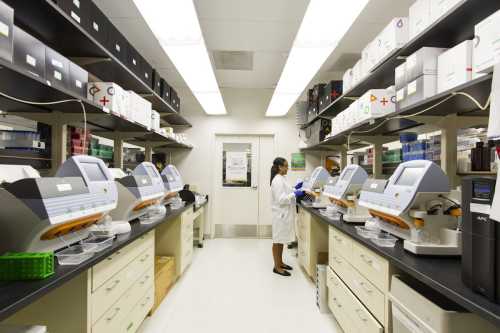
Another critical pillar of the 2026 strategy is the integration of rapid diagnostics and Artificial Intelligence. One of the biggest drivers of antibiotic resistance is misprescribing. When you go to the doctor with a bad cough, the doctor doesn't know if it is caused by a virus (which antibiotics cannot kill) or a bacteria (which antibiotics can kill). Because they cannot wait three days for a lab culture result, they often prescribe antibiotics "just to be safe." This unnecessary use drives resistance. In 2026, the WHO is deploying AI-powered, point-of-care diagnostic devices to clinics worldwide. These small, portable machines can analyze a drop of blood or a swab in minutes and tell the doctor exactly what pathogen is causing the illness and, crucially, which specific antibiotic will work. This precision medicine ensures that patients only get antibiotics when they absolutely need them, and they get the exact right one, preserving the effectiveness of our existing drugs.
What You Can Do: The Power of the Individual
While governments and scientists are fighting the macro-level battle, every single individual has a role to play in stopping the spread of superbugs. The most important rule is simple: never use antibiotics without a prescription from a qualified doctor. If your doctor says you have a viral infection like the common cold or the flu, do not demand antibiotics; they will not help and will only harm your body's good bacteria. If you are prescribed antibiotics, you must finish the entire course, even if you feel better after three days. Stopping early leaves the strongest bacteria alive, teaching them how to survive the drug. Furthermore, practice good hygiene. Washing your hands regularly with soap and water, keeping your vaccinations up to date, and preparing food safely all prevent infections from happening in the first place, which means you will never need antibiotics to begin with. By following these simple rules, you become a frontline defender in the global fight against antimicrobial resistance.
A Global Shield for the Future
The launch of the Global AMR Action Fund in 2026 represents a profound shift in how humanity approaches global health security. For too long, the world has reacted to pandemics and health crises after they have already caused massive damage. The AMR crisis is different; it is a slow-moving pandemic that has been brewing in the microscopic world for decades. By proactively restructuring the economic incentives for drug development, strictly regulating agricultural use, and deploying advanced AI diagnostics, the global community is finally building a sustainable, long-term defense system. This initiative ensures that the miracle of antibiotics, which has saved hundreds of millions of lives since the discovery of penicillin, will continue to protect future generations. It is a testament to the power of global cooperation, proving that when nations unite around a common scientific and humanitarian goal, no invisible enemy is too small to defeat. The fight against superbugs is far from over, but as of 2026, humanity finally has the right weapons, the right funding, and the right strategy to win the war.
Official Alternative Source: For comprehensive guidelines and the latest data on Antimicrobial Resistance, please visit the official World Health Organization portal: WHO - Antimicrobial Resistance
Antimicrobial resistance is one of the top global public health threats. ???? Today, we launch the Global AMR Action Fund to stimulate the development of new life-saving antibiotics and protect modern medicine for future generations. #AMR #Superbugs #PublicHealth #GlobalHealth
— World Health Organization (WHO) (@WHO) June 15, 2026

Comments (0)
No comments yet. Be the first to share your thoughts!
Want to join the discussion?
Please log in to post a comment.
Login NoworCreate an Account