
WHO Issues Urgent Alert: Falsified Cancer Drug DARZALEX Detected in Maldives and Mexico

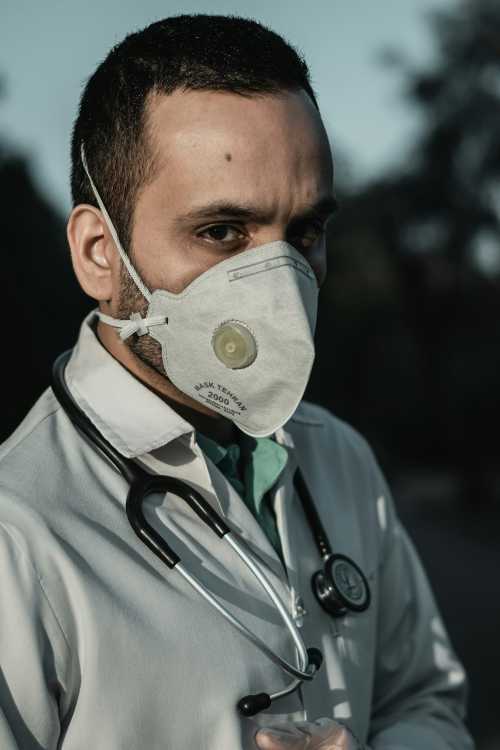
In a harrowing development for global oncology care, the World Health Organization (WHO) issued a clarion Medical Product Alert on Thursday, July 3, 2026, regarding the detection of falsified batches of DARZALEX (daratumumab), a pivotal monoclonal antibody used to treat multiple myeloma and AL amyloidosis.
The communiqué from the WHO Global Surveillance and Monitoring System disclosed that two specific batches of the life-saving medication were identified in the Maldives and Mexico. These spurious products were supplied by non-authorized distributors and, in a deeply perilous turn of events, had already reached hospital inventories in at least one instance.
The labyrinth of Falsification
The legitimate manufacturer, Janssen, has unequivocally confirmed that the batch numbers on the falsified products—STV1K01 (400mg/20mL, expiring May 2029) and MYS7381 (100mg/5mL, expiring March 2029)—are entirely invalid. The Maldives Food and Drug Authority reported the discovery of visible particulate matter in vials of the STV1K01 batch, signaling a formidable risk of microbial contamination.
"Falsified DARZALEX poses a serious risk to patient safety. Their contents, quality, and sterility remain unknown. They may contain no active ingredient, the wrong ingredients, or harmful substances."— World Health Organization (WHO)
The prognostic implications for patients receiving these falsified infusions are grave. Patients could face severe adverse reactions, including life-threatening infections or injection-related complications. Furthermore, the deprivation of the actual therapeutic agent can lead to unchecked disease progression, significantly increasing morbidity and mortality rates among vulnerable cancer patients.
Imperatives for Healthcare Providers
The WHO has issued an injunction to healthcare professionals and regulatory authorities across the Americas and South-East Asia regions to immediately quarantine any products bearing these batch numbers. Clinicians are urged to report any unusual adverse events or unexpected lack of therapeutic effects to their respective national pharmacovigilance centers.
Note: No official supporting social media post was found for this specific WHO Medical Product Alert. As an alternative, please refer to the original official alert from World Health Organization.

Comments (0)
No comments yet. Be the first to share your thoughts!
Want to join the discussion?
Please log in to post a comment.
Login NoworCreate an Account