
The Biological Margin Call: Repricing Sovereign Risk in the Age of Zoonotic and Metabolic Convergence

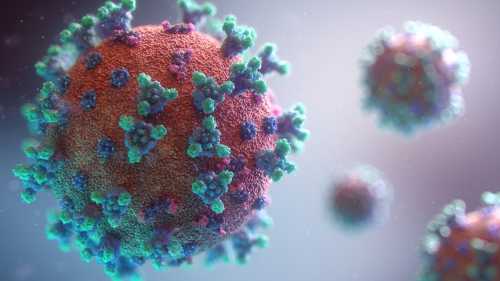
The Biological Margin Call
Managing the global public health apparatus in August 2026 is akin to trying to repair a jet engine mid-flight while the passengers are simultaneously rewriting the flight manual and the fuel is turning into jelly. The core event defining this quarter is the unprecedented convergence of three distinct biological vectors: the mainstream economic integration of oral GLP-1 metabolic therapies, the geographic expansion of H5N1 and recombinant Mpox clades, and the silent compounding of antimicrobial resistance. These are not isolated medical anomalies; they are macroeconomic shocks that are actively repricing sovereign risk, labor productivity, and global supply chain resilience.
The Metabolic Subsidy and Deflationary Shock
The January 2026 launch of the first oral GLP-1 for obesity has fundamentally decoupled metabolic health from sheer willpower, triggering a massive reallocation of capital away from the traditional agri-food and transportation sectors [[20], [26]]. When a significant percentage of the workforce chemically suppresses their caloric intake, the downstream effects on fast-food conglomerates, commercial real estate gyms, and cardiovascular device manufacturers are catastrophic. Wall Street is currently mispricing the metabolic effect as a purely pharmaceutical windfall, ignoring the deflationary shock it delivers to the broader consumer staples index.
According to a 2026 cross-sectional economic study published in ESMED, the positive economic opportunity for GLP-1 receptor agonists is strictly limited to populations with high obesity levels, meaning national health systems must carefully target subsidies to avoid bankrupting their treasuries esmed.org .
The Cost-Effectiveness Paradox: However, health economists caution against viewing GLP-1s as a panacea for systemic healthcare costs. As noted by researchers at the USC Schaeffer Center, while these drugs are cost-effective for diabetes management, "for those with obesity, these medications are not cost-effective at current prices" hlth.com . If the state mandates universal coverage for oral GLP-1s without securing aggressive price controls, the resulting premium hikes will crowd out funding for preventative oncology and pediatric care, effectively robbing Peter to pay Paul in the national health budget.
Echoes of the 1918 Supply Shock
To contextualize the current zoonotic and microbial threats, one must examine the 1918 influenza pandemic's secondary impact on global supply chains and the subsequent 1940s penicillin boom. In 1918, the sudden loss of prime-age labor to a zoonotic spillover caused a decade-long contraction in industrial output and agricultural yields, proving that biological shocks are ultimately labor shocks. Today, we are facing a "slow-motion 1918" via Antimicrobial Resistance (AMR). The WHO and the WEF project that between 2025 and 2050, AMR is expected to directly cause more than 39 million deaths, acting as a massive, compounding tax on global surgical procedures and oncology treatments www.weforum.org . Just as the post-WWII mass production of penicillin temporarily conquered bacterial mortality, our current reliance on legacy antibiotics is failing against novel resistance plasmids. If prophylactic antibiotics fail, routine procedures like hip replacements and cesarean sections become statistically lethal, threatening to revert modern medicine to the dark ages of the 19th century.
The economic toll of this microbial attrition is rarely captured in headline GDP figures, but it manifests in the creeping un-insurability of the global working class. When a simple laceration carries a 15% probability of systemic sepsis, the risk premiums on manual labor and industrial manufacturing skyrocket, effectively pricing emerging markets out of the global supply chain.
The Zoonotic and Microbial Pincer
Simultaneously, the geographic boundaries of zoonotic containment are collapsing. The detection of H5N1 in mainland Australia’s wild bird populations for the first time in mid-2026 shatters the continent's historical biosecurity advantage, while the US has logged 71 human cases of highly pathogenic avian influenza since 2024 [[14], [19]]. Compounding this is the WHO’s recent identification of a recombinant mpox virus containing genomic elements of both clades Ib and IIb, a genetic hybridization that complicates existing diagnostic assays and vaccine efficacy models www.who.int . Mainstream media treats these as isolated veterinary or dermatological issues, failing to recognize that a recombinant zoonotic event in a highly mobile population is a statistical precursor to a systemic liquidity freeze in global travel and trade. The viral recombination essentially creates a moving target for monoclonal antibody therapies, forcing pharmaceutical companies to burn billions in R&D chasing a shifting genetic baseline.
The Institutional Arbitrage
The most dangerous variable in this matrix is the fragmentation of institutional trust and regulatory baselines. Recent executive actions in the US have sought to shift public health grant decision-making away from scientific experts and alter childhood vaccine schedules based on political rather than epidemiological consensus [[4], [6]]. This creates an "institutional arbitrage" where multinational pharmaceutical companies and biotech firms relocate R&D and clinical trials to jurisdictions with stable, science-based regulatory environments, starving fragmented nations of critical medical infrastructure.
The Sovereignty Defense: Conversely, proponents of decentralized public health governance argue that centralized, top-down mandates historically fail to account for regional demographic and cultural nuances. By shifting grant decision-making to local authorities, communities can tailor interventions to their specific socio-economic realities, potentially increasing compliance through localized trust rather than federal coercion. While this risks herd immunity thresholds, it may yield higher long-term engagement in deeply polarized populations.
Hedging the Bio-Risk Premium
For institutional investors and corporate risk managers, the era of treating public health as an externality is over. Agri-food portfolios must immediately short legacy caloric-dense manufacturers and go long on specialized nutrition and diagnostic biotech firms. Corporations must mandate localized AMR stewardship programs within their global supply chains, ensuring that their agricultural and manufacturing partners are not breeding multi-drug resistant pathogens that could shutter operations. Supply chain directors must implement genomic sequencing at key logistical chokepoints, treating biological contamination as a tier-one operational risk equivalent to cyber warfare. For citizens, the shifting vaccine landscape necessitates the proactive procurement of broad-spectrum antivirals and the maintenance of personal medical stockpiles, treating biological resilience as a core component of personal financial planning.
The Q1 2027 Epidemiological Horizon
Looking six months into Q1 2027, the global public health landscape will bifurcate into "bio-secure" and "bio-fragile" economic zones. Nations that successfully integrate oral GLP-1s into their public health systems while maintaining strict zoonotic surveillance will see a measurable uptick in labor productivity and reduced cardiovascular absenteeism. Conversely, regions that succumb to AMR proliferation and institutional fragmentation will face severe sovereign credit downgrades, as foreign direct investment will actively route around jurisdictions with high epidemiological tail risks. We anticipate a surge in "bio-sovereign" wealth funds, where nations with robust domestic mRNA and antibiotic manufacturing capabilities will leverage their biological autonomy as geopolitical currency, effectively blockading medical exports to nations that failed to maintain scientific governance. The biological margin call has arrived, and only the most adaptable economies will clear it.

Comments (0)
No comments yet. Be the first to share your thoughts!
Want to join the discussion?
Please log in to post a comment.
Login NoworCreate an Account