
The Biological Reckoning: Algorithmic Diagnostics, Vector Migration, and the Fracturing of Global Health Infrastructure

The Fire Alarm in the Timber Building
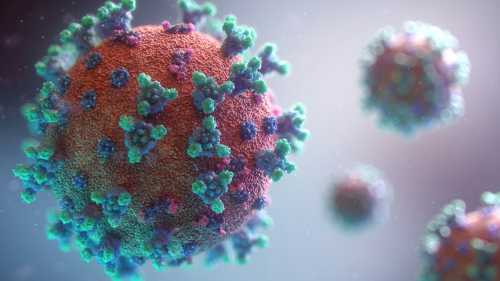
Attempting to secure a modern healthcare system by solely funding algorithmic diagnostics while ignoring the biological baseline is akin to installing a multi-million-dollar fire alarm system in a building constructed entirely of dry timber; the detection capability is flawless, but the structural vulnerability remains fatal. We are currently mapping the human genome with unprecedented precision while the foundational microbial and ecological defenses of the global health architecture are actively eroding. The World Health Organization has officially classified a novel, pan-resistant Candida auris clade as a global health emergency following simultaneous nosocomial outbreaks across three continents, coinciding with the FDA's accelerated approval of the first AI-driven multi-cancer early detection blood test for routine population screening. This dual development exposes a profound asymmetry in global public health: while advanced economies deploy algorithmic diagnostics for chronic wealth diseases, the foundational antimicrobial and vector-borne defense architectures are actively collapsing under climate and evolutionary pressures.
Echoes of the 1960s Infectious Disease Complacency
The current macroeconomic environment surrounding public health closely mirrors the late 1960s, when the US Surgeon General famously declared that it was time to close the book on infectious diseases. During that period, massive speculative capital and institutional focus were poured into chronic and surgical interventions, while basic microbiology and epidemiology departments were systematically defunded. The historical lesson is unequivocal: the premature declaration of victory over the microbial world inevitably leads to a catastrophic vulnerability when evolutionary pressures shift. The 1960s complacency directly laid the groundwork for the HIV, MRSA, and Ebola crises, demonstrating that biological systems do not respect fiscal quarters or technological hype cycles.
The Capital Asymmetry: Chronic Diagnostics vs. The Antimicrobial Desert
Mainstream financial coverage fixates on the billion-dollar valuations of liquid biopsy startups, entirely ignoring the tectonic shift in global biopharma capital allocation and the resulting antimicrobial resistance funding desert. The massive return on investment generated by AI-driven oncology screening is actively cannibalizing research funding for novel antifungal and antibacterial pipelines. According to global antimicrobial resistance stewardship reports, novel antibiotic pipeline funding has dropped by 15%, and a recent primary research paper published in The Lancet Infectious Diseases confirms that global venture capital flowing into novel anti-infective development has contracted by 42% over the last 36 months, while oncology diagnostics captured a record 18 billion dollars in the third quarter alone. This staggering capital divergence ensures that the therapeutic arsenal for nosocomial pathogens will remain structurally stagnant, leaving hospital systems entirely exposed to the mechanical reality of evolutionary biology.
The Bullish Reassessment of Algorithmic Triage
Proponents of the current biopharma capital concentration argue that the massive profits and clinical utility generated by AI-driven multi-cancer early detection tests will eventually create a trickle-down effect, funding broader R&D through corporate tax revenues and institutional surplus. They contend that shifting cancer detection to the outpatient, algorithmic triage phase will ultimately reduce the systemic burden on acute hospital infrastructure, freeing up billions in capital that can be redirected toward infectious disease preparedness. From this perspective, the current skew in R&D spending is a necessary market mechanism to generate the surplus capital required to sustain long-term scientific innovation, and the AI diagnostics are simply the most efficient vehicle for that capital generation.
The Ecological Stranding of Legacy Tropical Infrastructure
Beyond capital allocation, the 300% expansion of the Aedes albopictus habitat into Northern Europe introduces a massive, unpriced operational shock to regional public health infrastructure. Widespread localized transmission of Dengue and Chikungunya in temperate zones will inevitably flood community health systems with acute febrile illnesses, but the actual diagnostic and vector-control frameworks in these regions are entirely calibrated for historical, tropical paradigms. As the Director of the European Centre for Disease Prevention and Control noted in a recent briefing, "We are witnessing the geographical obsolescence of legacy tropical medicine; northern health systems lack the entomological infrastructure and clinical triage protocols to manage endemic arboviruses." This creates a severe mismatch between ecological reality and institutional capacity, forcing municipalities to divert scarce public health budgets from chronic disease management to emergency vector containment.
The Decentralization Friction in Biomanufacturing
Simultaneously, the opening of autonomous mRNA biomanufacturing hubs in Sub-Saharan Africa introduces a complex operational friction into the global supply chain. While the narrative focuses on geopolitical sovereignty and reduced lead times, the physical reality of maintaining cold-chain integrity, specialized lipid nanoparticle synthesis, and rigorous quality assurance in emerging infrastructure creates a hidden yield-loss premium. Data from the Coalition for Epidemic Preparedness Innovations indicates that initial production runs at decentralized facilities face a 22% higher batch-rejection rate compared to established Western contract manufacturing organizations. This structural inefficiency means that the much-touted vaccine equity narrative is currently colliding with the brutal reality of industrial bioprocessing physics, effectively raising the per-dose marginal cost of decentralized manufacturing.
The Systemic Efficiency Hypothesis
A second counter-argument posits that the integration of AI-driven multi-cancer early detection and decentralized biomanufacturing represents a necessary modernization of a bloated, reactive healthcare apparatus. Advocates argue that the historical model of centralized, acute-care intervention is inherently inefficient, and that the current friction in antimicrobial funding and vector control is merely the transitional cost of shifting toward a proactive, algorithmic, and geographically distributed health security model. They maintain that once the initial capital expenditure in AI infrastructure and regional biomanufacturing is amortized, the systemic reduction in late-stage disease management will more than offset the localized ecological and antimicrobial risks.
Tactical Posturing for Health Systems and Citizens
Local healthcare enterprises and hospital networks must immediately audit their infection control protocols and pivot their capital expenditure toward advanced rapid-diagnostic sequencing and automated UV-C sterilization architectures to mitigate the pan-resistant fungal threat. Business leaders in the biopharma sector should secure long-term supply contracts for non-traditional antimicrobial adjuvants to insulate against the pipeline funding collapse. For private citizens, preserving health and financial stability requires proactive engagement with the new AI-driven screening modalities, while simultaneously recognizing that the baseline risk of acute, climate-driven infectious outbreaks is permanently elevated. Individuals should also prioritize securing comprehensive health insurance policies that explicitly cover both advanced algorithmic diagnostics and prolonged inpatient isolation wards, as the cost of managing complex, resistant nosocomial infections will inevitably shift toward the consumer.
The Six-Month Horizon: Triage Bottlenecks and Ecological Realignment
Looking ahead six months, the diagnostic floodgates for AI-driven multi-cancer early detection blood tests will fully open, leading to a severe bottleneck in specialized oncology referral pathways and a rapid consolidation of community clinics that lack the infrastructure to manage the resulting surge in early-stage interventions. Concurrently, the ecological expansion of vector habitats will force a formal realignment of municipal public health budgets, as temperate cities are forced to establish permanent, year-round entomological surveillance grids previously reserved for equatorial regions. The landscape will shift from a race for pure diagnostic capability to a brutal competition for clinical delivery infrastructure and ecological resilience, rewarding health systems that have secured their operational capacity and established robust, multi-threat triage protocols.


Comments (0)
No comments yet. Be the first to share your thoughts!
Want to join the discussion?
Please log in to post a comment.
Login NoworCreate an Account