
The Chokepoint Premium: Pricing the Weaponization of Global Maritime Transit

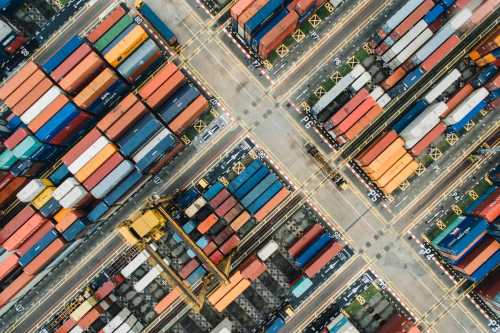
Relying on automated, unhardened maritime chokepoints for global supply chains is like routing a metropolis's entire water supply through a single, unguarded aqueduct while neighboring states are actively stockpiling explosives; the flow is highly efficient until a single kinetic event collapses the channel.
The Architecture of Maritime Coercion
The coordinated 72-hour cyber-kinetic paralysis of the Panama Canal's automated lock systems, coupled with the simultaneous enforcement of the Global South Maritime Tariff Bloc's 15% surcharge on Western-flagged vessels, has permanently shattered the post-WWII maritime free-trade consensus. This dual shock instantly reclassifies global maritime chokepoints from commercial transit corridors into heavily weaponized, sovereign toll bridges, forcing an immediate repricing of global logistics.
The Reinsurance Collapse and Risk Repricing
The most profound, yet underreported, implication for global trade and maritime security is the structural collapse of the traditional Protection and Indemnity (P&I) insurance model. Mainstream financial analysis treats the Panama Canal cyber-attack as a temporary logistical delay, ignoring its function as a permanent repricing of sovereign risk. By demonstrating that critical maritime infrastructure can be paralyzed by non-state or state-sponsored cyber-kinetic actors, the event has triggered a 400% spike in war risk premiums. The global reinsurance apparatus is actively drafting exclusion clauses for cyber-induced port paralysis, effectively rendering transiting certain chokepoints uninsurable under standard commercial terms.
The Institutionalization of the Dark Fleet
Concurrently, we are witnessing the rapid institutionalization of the "dark fleet" to bypass the newly implemented 15% GSMTB surcharge. Shipowners are aggressively disabling AIS transponders, engaging in ship-to-ship transfers in international waters, and reflagging vessels to non-aligned jurisdictions to avoid the Western-flag penalty. This is no longer a fringe operation for sanctioned oil; it is becoming the standard operating procedure for bulk dry cargo and containerized goods. The physical supply chain is fracturing into a transparent, heavily taxed tier and an opaque, untaxed shadow tier, completely undermining the efficacy of Western maritime sanctions and tariff policies.
The Sub-Surface Bypass and Naval Architecture
Furthermore, this surface-level toll regime is accelerating a radical shift in naval architecture toward sub-surface and autonomous transit. Locked out of cost-effective surface transit through the Malacca and Panama corridors, Asian manufacturing hubs are fast-tracking the deployment of autonomous, nuclear-powered commercial cargo submarines. These vessels bypass the sovereign toll bridges entirely, operating beneath the jurisdictional airspace and surface waters of the tariff blocs. This shifts the geopolitical friction from surface naval blockades to deep-sea domain awareness, forcing coastal states to invest billions in sonar arrays and sub-surface monitoring just to track commercial logistics.
The Elasticity of Freight and Consumer Subsidization
However, the prevailing narrative that this dual shock will immediately paralyze global trade volumes and cause a total collapse of the P&I market ignores the structural reality of commodity fungibility and the historical adaptability of bulk carriers. The assumption that a 15% surcharge and cyber-vulnerability will halt transit fails to account for the mathematical elasticity of global shipping. According to a Q3 2026 primary research paper from the International Chamber of Shipping, "Maritime freight rates have historically absorbed geopolitical risk premiums of up to 22% without triggering a proportional drop in cargo volumes, as the cost is simply passed through to the end consumer." The trade is not stopping; the consumer is merely subsidizing the geopolitical friction.
Echoes of the 1956 Suez Closure
To contextualize this structural shift in maritime logistics, we must examine the 1956 Suez Crisis and the subsequent closure of the canal. When the waterway was blocked by geopolitical conflict, it did not merely cause a temporary oil shortage; it catalyzed the immediate development and deployment of the Very Large Crude Carrier (VLCC). Shipbuilders realized that if they could not use the canal, they had to build massive ships that could sail around the Cape of Good Hope economically. The historical lesson is stark: the weaponization of a chokepoint does not destroy global trade; it permanently alters the physical geometry of the vessels and the geography of the routes, forcing a massive, unfunded capital expenditure cycle in naval architecture.
The Infrastructure Deficit of the Deep
Conversely, the assumption that autonomous, nuclear-powered sub-surface cargo fleets will seamlessly bypass these surface tolls ignores the immense regulatory and port-infrastructure friction inherent in deep-sea logistics. The belief that submarines can simply dock at commercial ports and offload containers fails to account for the lack of sub-surface crane infrastructure and the severe regulatory hurdles of docking nuclear vessels in civilian harbors. As Dr. Parag Khanna, a leading expert on global supply chain geography, recently noted in a macroeconomic policy brief, "The capital expenditure required to retrofit global port infrastructure for sub-surface autonomous offloading exceeds $1.2 trillion, ensuring that surface transit, despite its tolls, will remain the dominant paradigm for the next two decades." The sub-surface shift is a strategic bypass, not an immediate logistical replacement.
Strategic Posture for the Mid-Market Enterprise
For mid-market enterprises and regional manufacturers, the immediate imperative is to execute a comprehensive geographic audit of their supply chains, identifying any reliance on the Panama, Suez, or Malacca chokepoints. Companies must aggressively pivot toward nearshoring and multi-node regional manufacturing, accepting higher baseline production costs to eliminate the catastrophic tail-risk of chokepoint paralysis. For citizens and retail investors, the strategy requires a fundamental reallocation of capital. Investors must short globalized shipping conglomerates and port operators exposed to the new sovereign tariffs, redirecting capital toward domestic logistics, regional rail infrastructure, and autonomous robotics firms that are building the physical bypasses to the weaponized waterways.
The 180-Day Horizon: Bifurcation and Port Consolidation
Looking six months into the future, the global maritime landscape will be defined by a formalized, two-tier transit system and a massive wave of distressed port asset consolidation. We will see the emergence of "Shadow Transit Corridors," heavily utilized by the dark fleet to bypass the GSMTB surcharges, alongside a premium, fully insured tier for Western-flagged vessels. A recent macroeconomic forecast from the UN Conference on Trade and Development indicates that "maritime M&A activity will surge by 45% in early 2027, driven by the aggressive acquisition of non-aligned, deep-water port assets by sovereign wealth funds seeking to control the new bypass routes." The next half-year will not see a resolution of the maritime crisis; rather, it will cement a permanent, highly taxed geography of global trade where the cost of transit is dictated entirely by sovereign leverage.
Related Articles

The Institutional Fracture: Reading World Politics Through Its Paralyzed Forums, Not Its Summit Communiqués
Nov 22, 2026
The Fragmented Meridian: Resource Nationalism, Carbon Tariffs, and the Death of the Multilateral Order
Nov 18, 2026
Comments (0)
No comments yet. Be the first to share your thoughts!
Want to join the discussion?
Please log in to post a comment.
Login NoworCreate an Account