
The Clinical Austerity Pivot: Inside Pakistan’s 2026 Healthcare Bifurcation

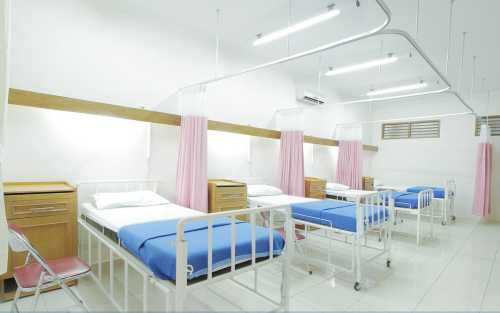
The ICU of the State: A Structural Triage
Managing a national healthcare system with a shrinking fiscal baseline and an exodus of clinical talent is akin to attempting open-heart surgery in a moving ambulance; the instruments are sharp, but the environment guarantees systemic failure. In mid-2026, Pakistan’s healthcare architecture underwent a violent structural pivot characterized by the simultaneous contraction of the Sehat Sahulat Programme in Punjab, aggressive public hospital privatization drives, and the enforcement of revised drug pricing mandates www.facebook.com , publicservices.international . This five-pronged convergence—spanning UHC retrenchment, asset privatization, pharmaceutical price controls, a record medical brain drain, and a massive federal health allocation—represents a definitive shift from universalist welfare posturing to brutal, means-tested clinical austerity www.facebook.com .
The Hemorrhage of Human Capital
Mainstream policy desks treat the emigration of medical professionals as a standard labor market fluctuation, ignoring its role as a primary vector for institutional collapse. The unseen implication is the forced maturation of a "hollowed-out" clinical workforce. Pakistan witnessed a record number of doctors leaving the country in 2025, deepening concerns over a potential long-term strain on the national healthcare apparatus www.linkedin.com . This is not merely a loss of labor; it is an acute depreciation of institutional memory and specialized surgical capacity. When a healthcare system loses its mid-career consultants to the Gulf and the UK, the national capacity for complex tertiary care collapses under the weight of unsupervised junior staff. The underlying architecture of this exodus is shifting from economic migration to professional disillusionment, effectively stripping the public sector of its ability to absorb the very patients the state claims to protect.
The Fiscal Reality of Universal Promises
Proponents of the Sehat Sahulat Programme and universal health coverage (UHC) argue that maintaining a broad-based, state-funded health insurance net is a moral imperative that prevents catastrophic out-of-pocket expenditures for the working class. The counter-argument, however, highlights a severe fiscal reality trap. Leading economic think tanks note that the idea of universal health insurance in a country like Pakistan is fundamentally unviable, strongly recommending limiting the program's mandate to only the poorest demographics to ensure survival pide.org.pk . Offering a universal card to a massive population means little if the provincial treasuries cannot honor the reimbursement claims of private hospitals. Until the state mathematically aligns its actuarial liabilities with its actual tax receipts, the UHC model risks functioning as mere compliance theater, generating massive arrears that ultimately force private hospitals to deny care to state-insured patients.
The Pharmaceutical Squeeze
Furthermore, the aggressive enforcement of DRAP’s revised pricing policy, which mandates that pharmaceutical companies must ensure at least 25% of their production volume is dedicated to essential, low-margin medicines, is quietly dismantling the domestic manufacturing base www.facebook.com . By artificially capping the prices of life-saving drugs while the cost of imported active pharmaceutical ingredients (APIs) remains tethered to hard currency fluctuations, the state is effectively imposing a hidden tax on local manufacturers. This structural squeeze forces pharma companies to quietly discontinue the production of cheap, essential pediatric and cardiovascular drugs, replacing them with high-margin, branded nutraceuticals and cosmetic dermatology products. The unseen implication is a severe, localized shortage of critical chronic-care medications, forcing patients into the unregulated, grey-market import sector where quality assurance is nonexistent.
Echoes of the Greek Austerity Wards
To contextualize this phenomenon, one must examine Greece’s post-2010 healthcare austerity measures mandated by the Troika. Greece attempted to balance its sovereign debt by aggressively cutting public hospital budgets, capping drug prices, and freezing medical hiring. The historical lesson is unambiguous: when a state aggressively defunds its public clinical infrastructure while simultaneously capping pharmaceutical margins, the resulting brain drain permanently scars the nation's epidemiological baseline. Greece experienced a massive resurgence of preventable infectious diseases and a collapse in primary care access, forcing a subsequent, highly expensive rebuild of its medical workforce a decade later. Pakistan is currently mirroring this trajectory; without aggressive, state-subsidized retention bonuses and decentralized clinic funding, the current privatization and pricing mandates will permanently erode the nation's physiological capacity to manage chronic disease burdens.
The CapEx Illusion
Thirdly, the fact that Pakistan allocated Rs25.1 billion for health in the 2026–27 Annual Development Programme is widely praised by international donors as a robust commitment to critical care and oncology infrastructure www.facebook.com . The unseen implication is the severe misalignment between federal CapEx and provincial OpEx. Building state-of-the-art cancer wings and critical care units in Islamabad and provincial capitals is mathematically futile if the provincial health departments lack the operational expenditure (OpEx) to staff them, power them, and supply them with consumables. This creates a landscape of "white elephant" clinical infrastructure—gleaming, multi-million-dollar facilities that operate at 30% capacity because the state cannot afford the recurring salaries of the specialized nursing staff required to run the ICU beds.
The Access Paradox
Simultaneously, the Finance Ministry argues that strict drug price fixation and the 25% essential medicine quota are necessary to ensure that life-saving therapeutics remain accessible to the lowest-income deciles amid soaring inflation tribune.com.pk . The prevailing argument dictates that without state intervention, multinational and local cartels would price the working class out of basic survival. However, this argument relies on the flawed assumption of a perfectly elastic supply chain. The counter-argument emphasizes the "Access Paradox." By forcing manufacturers to produce high volumes of heavily capped, low-margin drugs, the state inadvertently triggers silent supply chain rationing. Manufacturers meet the 25% quota on paper but intentionally restrict the physical distribution of these drugs to the open market, hoarding them for institutional tender bids or quietly exporting them to neighboring markets where price caps do not exist. The result is that the drugs are theoretically cheap, but physically unavailable to the citizen walking into a neighborhood pharmacy.
Tactical Recalibrations for Institutional Actors
For local enterprises, private hospital networks, and institutional investors, navigating this clinical austerity requires immediate tactical realignment. Private hospital conglomerates must immediately renegotiate their empanelment contracts with provincial health authorities, demanding upfront capitation payments or hard-currency indexed reimbursement rates to mitigate the sovereign default risk of the Sehat Sahulat arrears. Pharmaceutical manufacturers must aggressively pivot their R&D and marketing budgets away from heavily capped essential molecules and toward high-margin, specialized biologics and unregulated nutraceuticals to preserve their operating margins. Furthermore, mid-cap health-tech startups must abandon B2C telemedicine models and aggressively target B2B enterprise contracts, embedding their remote diagnostic and triage tools directly into the occupational health frameworks of multinational supply chains operating within Pakistan to secure recurring, dollarized revenue streams.
The H1 2027 Clinical Horizon
Over the next six months, the friction between the newly enforced DRAP pricing quotas and the brutal realities of API import costs will trigger a severe consolidation phase in the domestic pharmaceutical sector. We anticipate a wave of distressed asset sales among mid-tier, family-owned pharma manufacturers as they liquidate to meet the new compliance CapEx requirements and absorb the margin compression of the 25% essential medicine mandate. Concurrently, the downstream private healthcare sector will face a quiet but severe retention crisis, as specialized surgeons and anesthesiologists accelerate their emigration to the Gulf, forcing a 20-30% wage premium for locally retained, highly specialized clinical talent. By early 2027, the artificial suppression of public health metrics will give way to a visible spike in localized, preventable morbidity, potentially forcing the Ministry of National Health Services to mandate corporate-sponsored clinical insurance quotas to prevent a total collapse of the private tertiary care infrastructure.



Comments (0)
No comments yet. Be the first to share your thoughts!
Want to join the discussion?
Please log in to post a comment.
Login NoworCreate an Account