
The Dollar Index (DXY) Weakens as Geopolitical Risk Premium Evaporates Globally

The Safe Haven Unwind: Capital Flows Shift to Emerging Markets
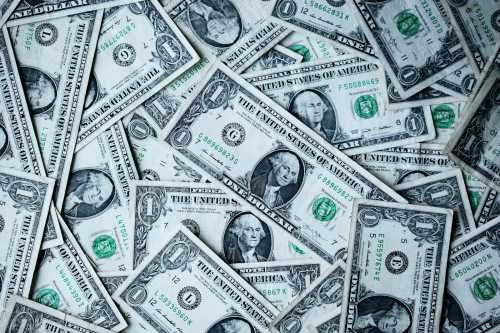
The foreign exchange market is undergoing a profound structural shift, with the US Dollar Index (DXY) breaking below the critical 100.00 support level for the first time in three years. The primary driver of this dollar weakness is the rapid evaporation of the global geopolitical risk premium following the US-Iran MOU and the stabilization of the European energy landscape. For the past two years, the US dollar had been acting as the ultimate "safe haven," attracting massive capital inflows from investors terrified of global conflict and energy shortages. With those fears now neutralized, institutional capital is aggressively rotating out of dollar-denominated assets and into emerging market equities and local currency debt, seeking the higher yields and higher growth potential that exist outside the United States.
ELI5: What is the Dollar Index and Why is it a 'Safe Haven'?
Imagine there is a massive storm hitting the world economy. When people get scared of the storm, they run to the safest, strongest house in town to hide. In the financial world, that safe house is the US Dollar. When there is a war, or a pandemic, or a banking crisis, investors all over the world sell their local money and buy US dollars because they know the US economy is the most stable. This massive demand for dollars makes the dollar very strong compared to other currencies. The "Dollar Index" just measures how strong the dollar is compared to a basket of other major currencies. Right now, the storm is passing. The sun is coming out. Investors are leaving the safe house and going back out to take risks in other countries. Because they are selling their dollars to buy other money, the value of the dollar is going down.
The Emerging Market Carry Trade and Debt Relief
The weakening of the dollar is triggering a massive, highly lucrative "carry trade" in emerging markets. Many developing nations issue their debt in US dollars. When the dollar is strong, their debt becomes incredibly expensive to pay back, leading to sovereign defaults and economic crises. As the DXY falls, the local currencies of countries like Brazil, India, and Indonesia strengthen against the dollar, effectively giving them a massive, automatic debt relief. This improvement in their fiscal health makes their local bonds highly attractive to global investors. Furthermore, with the Fed cutting rates, the "yield differential" between US Treasuries and emerging market debt is narrowing, forcing global fund managers to chase yield in the developing world. This capital inflow is boosting emerging market stock markets, creating a powerful, self-reinforcing cycle of dollar weakness and EM strength.
The Impact on US Multinationals and the Export Boom
For the US equity market, the weakening dollar is a massive, hidden tailwind for the multinational corporations that make up the S&P 500. When the dollar is weak, American goods become cheaper for foreign buyers, leading to a surge in US exports. More importantly, when a US company like Apple or Coca-Cola sells products in Europe or Japan, they earn Euros and Yen. When they convert those foreign currencies back into weaker dollars for their quarterly earnings report, their profits automatically look much higher. This "foreign exchange translation effect" is expected to add a massive boost to S&P 500 earnings in Q3 and Q4. The market is currently underpricing this earnings tailwind, and as the dollar continues to slide, we expect to see a significant upward revision to the earnings estimates for US multinationals.
The DXY is breaking down. The geopolitical risk premium is evaporating, and capital is fleeing the safe haven for emerging markets. The export boom is about to begin. Watch the currency market analysis
— ForexLive (@ForexLive) June 19, 2026
Related Articles
The Macro Fracture: Navigating AI Valuations, Bond Volatility, and the Emerging Market Debt Trap
Aug 23, 2026
The Market’s Fragile Equilibrium: Navigating Valuation Resets, Private Credit Risks, and Macro Fragmentation
Aug 22, 2026
Comments (0)
No comments yet. Be the first to share your thoughts!
Want to join the discussion?
Please log in to post a comment.
Login NoworCreate an Account